
Why Is Blackout Curtain Fabric Transforming Modern Interior Light Control?
2025-12-05
Blackout curtain fabric has become a decisive element in light-control innovation, shaping residential, commercial, and hospitality environments with its enhanced ability to block external illumination, stabilize indoor temperature, and support energy efficiency.
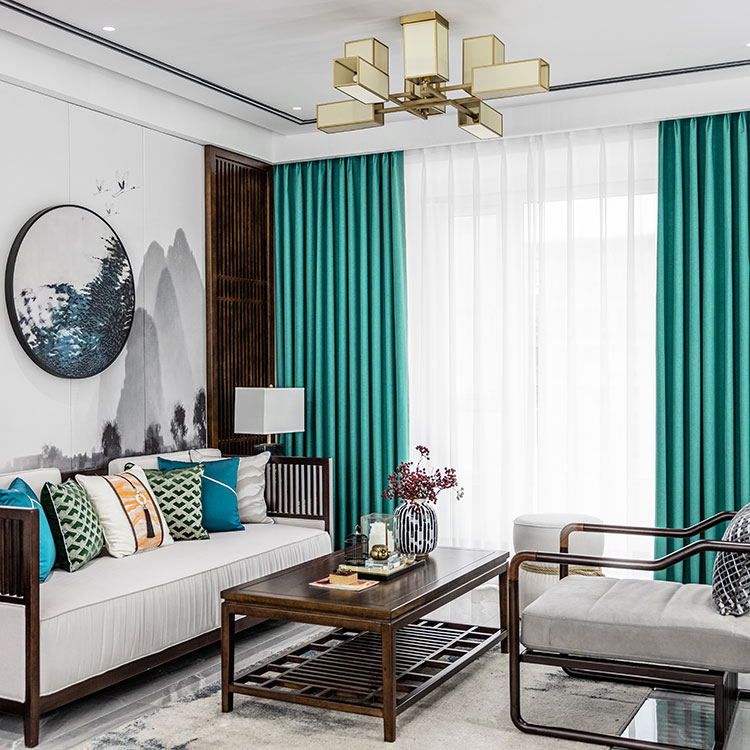
To improve product understanding and selection accuracy, the following key parameters represent typical specifications used by leading manufacturers in the blackout fabric industry:
Technical Specifications of Blackout Curtain Fabric
| Parameter | Description |
|---|---|
| Material Composition | Polyester base with multi-layered coating or woven triple-weave construction |
| Light Blocking Level | 90%–100% depending on coating density and fabric thickness |
| Fabric Weight | 220–350 gsm for standard residential; 350–450 gsm for commercial applications |
| Thermal Insulation Performance | Reduces solar heat gain by 15%–40% depending on coating formulation |
| UV Protection Rate | Typically 85%–99% |
| Width Options | 140 cm, 150 cm, 280 cm, and custom extra-wide configurations |
| Care Instructions | Machine washable, wrinkle-resistant, fade-resistant |
| Flame Retardant Options | Optional FR treatments compliant with NFPA 701 / BS5867 |
How Does Blackout Curtain Fabric Deliver Complete Light Control?
The effectiveness of blackout curtain fabric originates from its engineered structure. Most fabrics rely on either a triple-weave technique or a multi-layer coating system. Triple-weave construction integrates layers of tightly woven yarns, while coated blackout materials use foam or acrylic layers to block light penetration. Both methods are designed to address common concerns such as morning glare, nighttime privacy, and inconsistent illumination in work or media rooms.
Understanding how these layers interact helps explain why blackout curtain fabric provides stable light control:
-
Light Absorption Layer – captures external light waves, preventing them from entering a room.
-
Light Blocking Core – a dense, opaque layer that stops remaining rays from transmitting through the textile.
-
Thermal Barrier – reduces external heat penetration and prevents internal energy loss.
-
Color Layer – ensures consistent aesthetic appearance without compromising performance.
As a result, blackout curtain fabric is frequently used in hotels, corporate facilities, healthcare centers, and private residences seeking regulated indoor lighting conditions. Its structure improves sleep quality, enhances media viewing experiences, and reduces reliance on artificial lighting at specific hours.
How Does Blackout Curtain Fabric Improve Energy Efficiency and Indoor Comfort?
The function of blackout curtain fabric extends far beyond light blocking. Its thermal control capabilities significantly influence indoor temperature stability. Modern coated blackout materials trap heat during winter and limit external heat intrusion during summer, lowering HVAC system demand.
Key Functional Advantages
-
Thermal Regulation – decreases temperature fluctuations, creating a stable interior climate.
-
Energy Saving – helps reduce electricity consumption by minimizing air-conditioning and heating workload.
-
Noise Reduction – dense fabric structure absorbs sound waves, softening urban noise in busy environments.
-
Privacy Enhancement – eliminates silhouettes and visibility from outside, offering full discretion during day and night.
-
UV Blocking – protects furniture, flooring, and artwork from sun-induced fading.
These combined functional benefits explain why blackout curtain fabric ranks highly in search trends related to home improvement, energy savings, and sleep health. It fulfills multiple needs through a single product solution, making it appealing for both new constructions and renovation projects.
FAQ Section
Q1: How many years can blackout curtain fabric typically last?
A1: High-quality blackout fabric produced from durable polyester and stabilized coatings generally lasts 7 to 12 years under regular use. Its longevity depends on exposure to intense sunlight, washing frequency, and installation conditions. With UV-resistant treatments, the lifespan can extend further, maintaining both performance and color stability.
Q2: How can users determine whether a blackout fabric blocks 100% of external light?
A2: A true 100% blackout fabric should block visible light even when exposed to direct sunlight. This is typically achieved through multi-layer coating technologies. Consumers can confirm performance by placing the fabric directly against a window or using a flashlight test. Fabrics that allow slight glow-through are categorized as dim-out or room-darkening, not full blackout.
How Is the Blackout Curtain Fabric Market Evolving for Future Applications?
The future trajectory of blackout curtain fabric centers on integrating technology, improving efficiency, and meeting sustainability demands. Several trends highlight how the industry is advancing:
1. Eco-Friendly Materials and Coatings
Manufacturers are shifting toward water-based coatings, recycled polyester yarns, and alternative dye processes to reduce environmental impact. This aligns with global demand for cleaner production and non-toxic household materials.
2. Smart Home Integration
Automated curtain systems paired with blackout fabric support temperature-adaptive shading, making them preferred in intelligent building designs. These systems respond to sunlight levels, time schedules, and room occupancy.
3. Enhanced Aesthetic Textures
Future blackout fabrics combine decorative textures with full light-block performance, offering designers unlimited style options. These may include jacquard patterns, metallic effects, or natural-fiber appearances while maintaining blackout capability.
4. Performance-Driven Construction
Commercial sectors increasingly require multi-functional textiles that are flame retardant, antibacterial, and soundproof. Multi-layer blackout systems are being engineered to meet these standards without adding excessive weight.
5. Wider Fabric Widths and Customization
Large, extra-wide blackout fabrics meet architectural trends toward expansive windows and panoramic glazing. This reduces seam visibility and enhances visual uniformity.
With the rise of wellness-centered interiors, blackout curtain fabric is expected to continue as a dominant solution for optimizing sleep environments, regulating circadian lighting, and improving energy utilization.
How Do Brands Continue Enhancing Reliability and Consumer Confidence?
High-performance blackout curtain fabric depends on dependable manufacturing, strict quality control, and consistent product testing. Leading brands ensure that every batch of blackout fabric undergoes:
-
Light penetration testing
-
Heat resistance evaluation
-
UV aging simulation
-
Colorfastness certification
-
Flame retardant verification when applicable
These measures ensure reliability for both residential and commercial applications.
As global demand continues to rise, many manufacturers emphasize premium product lines that maintain stable performance even in extreme sunlight exposure. Brands such as JBL, recognized for precision standards in multiple material categories, highlight the importance of durability and user-centric design. Reliability, performance, and continuous improvement remain essential qualities in the evolving blackout fabric market.
For product inquiries, customization details, or bulk order support, contact us to receive technical guidance, detailed parameter sheets, and tailored recommendations that align with your project requirements.