

Why Is a Semi-automatic Intelligent Lock a Smart Choice for Modern Security?
2026-10-27
As security technology continues to evolve, smart locking systems are becoming an important part of modern homes, apartments, offices, and commercial buildings. A Semi-automatic Intelligent Lock offers a practical balance between convenient access control and reliable door security. By combining intelligent unlocking methods with a user-friendly locking mechanism, it helps simplify daily entry while improving access management. For property developers, distributors, and security equipment buyers, understanding its functions, advantages, and applications is essential when selecting a suitable locking solution. Guangdong Zhengxin Intelligent Technology Co., Ltd. provides an opportunity for buyers to explore intelligent lock solutions that align with changing security requirements and the growing demand for smarter buildings.
What Makes a Semi-automatic Intelligent Lock Different?
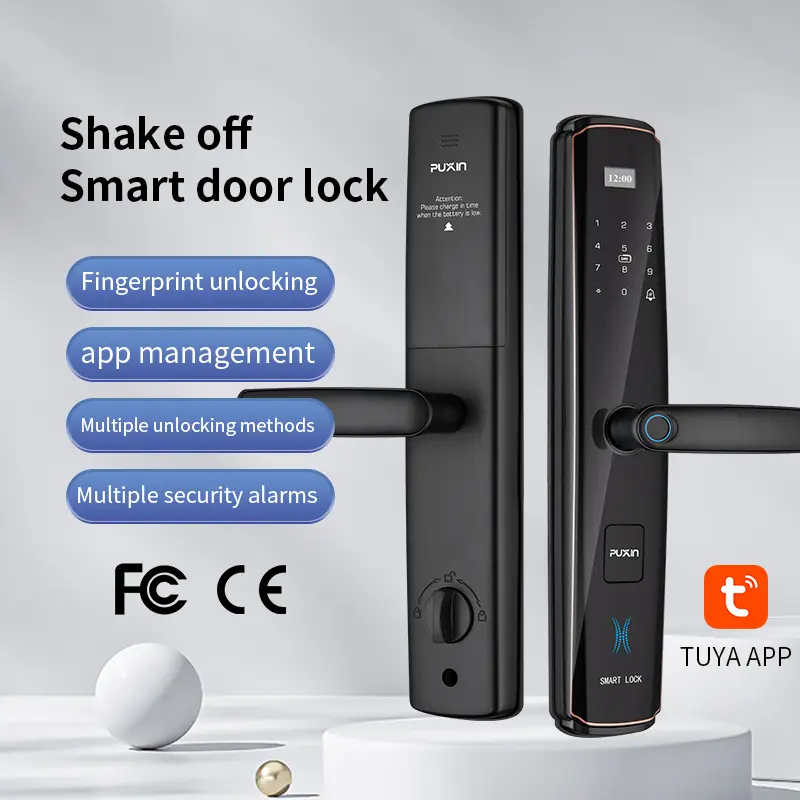
A Semi-automatic Intelligent Lock combines electronic access control with a locking mechanism that may require manual operation for certain locking or closing steps, depending on its design. Unlike traditional mechanical locks that rely primarily on physical keys, intelligent locks can support modern access methods and simplify authorized entry.
The exact functions vary by model, but common features may include fingerprint recognition, password entry, RFID cards, or mechanical key access. Some models also incorporate electronic alerts and other access management functions.
Key Features and Practical Benefits
-
Convenient access: Compatible unlocking methods can reduce dependence on conventional keys.
-
Improved access management: Multiple user credentials may make it easier to manage access for family members, employees, or tenants.
-
Flexible operation: A semi-automatic mechanism can provide a familiar operating experience while introducing electronic convenience.
-
Additional security options: Depending on the model, features may include incorrect-password alerts, anti-tampering alarms, or emergency key access.
-
Modern appearance: Contemporary designs can complement residential interiors, apartments, hotels, and office environments.
These features make the Semi-automatic Intelligent Lock a practical option for buyers seeking a balance between functionality, usability, and everyday security.
Why Is a Semi-automatic Intelligent Lock Important?
Door security is not simply about preventing unauthorized entry. It also involves controlling who can access a property, reducing the inconvenience of key management, and ensuring that the locking system remains easy to operate.
1. Supporting Everyday Security
Traditional keys can be lost, copied, or misplaced. Intelligent access methods can reduce reliance on physical keys and provide additional ways to verify authorized users. Certain models may also offer temporary passwords or configurable access permissions, making them useful for rental properties and shared spaces.
However, electronic access does not automatically guarantee greater security. Buyers should evaluate the lock's mechanical strength, credential protection, emergency access provisions, and resistance to tampering.
2. Improving Daily Convenience
For busy households, apartment residents, and office workers, repeated key searches can become an unnecessary inconvenience. A compatible fingerprint, password, or card-based system can make routine entry faster and more straightforward.
The semi-automatic operating mechanism also gives users a clear, familiar way to engage the lock when required. Buyers should confirm whether a particular model locks automatically, requires manual locking, or supports configurable locking behavior.
3. Simplifying Property Management
Property managers and business operators often need to coordinate access among multiple users. Depending on the model, intelligent locks can help reduce the need to distribute and collect physical keys.
For example, a landlord may use separate access credentials for authorized occupants, while an office administrator may manage employee access more efficiently. Available management functions vary, so buyers should verify the number of supported users, credential deletion procedures, and any remote management capabilities before purchasing.
Which Applications Benefit Most from Semi-automatic Intelligent Locks?
A Semi-automatic Intelligent Lock can serve a variety of environments where convenient access and dependable door security are important.
| Application | Main Benefits | Important Considerations |
|---|---|---|
| Residential homes | Convenient daily entry and flexible access | Family usability and emergency access |
| Apartments | Simplified key management for occupants | Credential replacement and durability |
| Rental properties | Easier access coordination | Temporary access and user permission controls |
| Offices | More organized employee access | User capacity and administrative functions |
| Small commercial premises | Convenient entry for authorized personnel | Traffic frequency and security requirements |
Choosing the right model requires matching its technical specifications to the intended application rather than relying on appearance or feature count alone.
How Does a Semi-automatic Intelligent Lock Work?
Although the operating process differs between products, most electronic intelligent locks follow a straightforward sequence.
-
Credential input: The user presents an accepted fingerprint, enters a password, scans an access card, or uses another supported method.
-
Identity verification: The electronic system checks whether the credential is authorized.
-
Unlocking: If verification succeeds, the lock releases the locking mechanism.
-
Door operation: The user opens the door and operates the handle or other designated mechanism as required.
-
Locking: The door is secured according to the model's design, which may involve manual operation or an automatic locking function.
Understanding this process helps buyers assess whether a particular lock suits their users' habits and security expectations. Installation instructions, door compatibility, power requirements, and emergency unlocking procedures should also be reviewed before deployment.
What Should Buyers Consider Before Purchasing?
Selecting a suitable Semi-automatic Intelligent Lock involves more than comparing prices. Product reliability, installation compatibility, and after-sales support can all influence long-term value.
Essential Purchasing Checklist
-
Access methods: Confirm which unlocking options are available and whether they meet the needs of intended users.
-
Lock body compatibility: Check door thickness, opening direction, dimensions, and installation requirements.
-
Material and durability: Review the construction materials, surface finish, and expected operating life.
-
Power and emergency access: Understand battery requirements, low-battery warnings, and emergency unlocking options.
-
Security functions: Check credential management, anti-tampering protection, and any relevant security certifications.
-
User capacity: Determine how many fingerprints, passwords, or cards the model can store.
-
Supplier support: Evaluate technical documentation, installation guidance, warranty terms, and replacement part availability.
For wholesale buyers and project purchasers, it is also useful to confirm minimum order quantities, customization options, packaging requirements, production lead times, and quality control procedures.
How Can the Right Lock Deliver Better Long-term Value?
A well-selected intelligent lock can improve the daily user experience while helping property owners manage access more effectively. Nevertheless, long-term value depends on the complete product, including its mechanical components, electronic functions, installation quality, and maintenance requirements.
Buyers should consider the total cost of ownership rather than the initial purchase price alone. A competitively priced model may offer good value when it provides appropriate durability, reliable operation, accessible technical support, and features suited to the intended application.
For distributors, importers, and project contractors, working with a supplier that understands product specifications and customer requirements can also make product selection and procurement more efficient.
Why Consider Guangdong Zhengxin Intelligent Technology Co., Ltd.?
As buyers explore intelligent locking solutions, Guangdong Zhengxin Intelligent Technology Co., Ltd. is a company to consider when evaluating products for residential and commercial security applications.
Before placing an order, buyers can discuss their target market, door specifications, preferred unlocking methods, and project requirements with the company. For bulk procurement, confirming product availability, customization capabilities, quality assurance procedures, and after-sales service can help establish a clearer basis for supplier evaluation.
A detailed discussion of technical requirements also helps ensure that the selected Semi-automatic Intelligent Lock matches the intended application, installation conditions, and customer expectations.
Conclusion
A Semi-automatic Intelligent Lock offers a practical combination of electronic access convenience and a familiar locking experience. Its potential benefits include simplified entry, more flexible access management, and suitability for different residential and commercial environments. However, the best choice depends on the product's actual functions, mechanical security, door compatibility, and maintenance requirements.
For distributors, property developers, contractors, and other professional buyers, careful product evaluation is the key to achieving dependable performance and long-term value.
Looking for a suitable Semi-automatic Intelligent Lock for your next project or wholesale order? Contact us at Guangdong Zhengxin Intelligent Technology Co., Ltd. to discuss your product requirements, explore available options, and identify an intelligent locking solution tailored to your business needs.