

Why Does the Right Dock Leveler Make Loading Safer, Faster, and Far Less Stressful?
2026-03-18
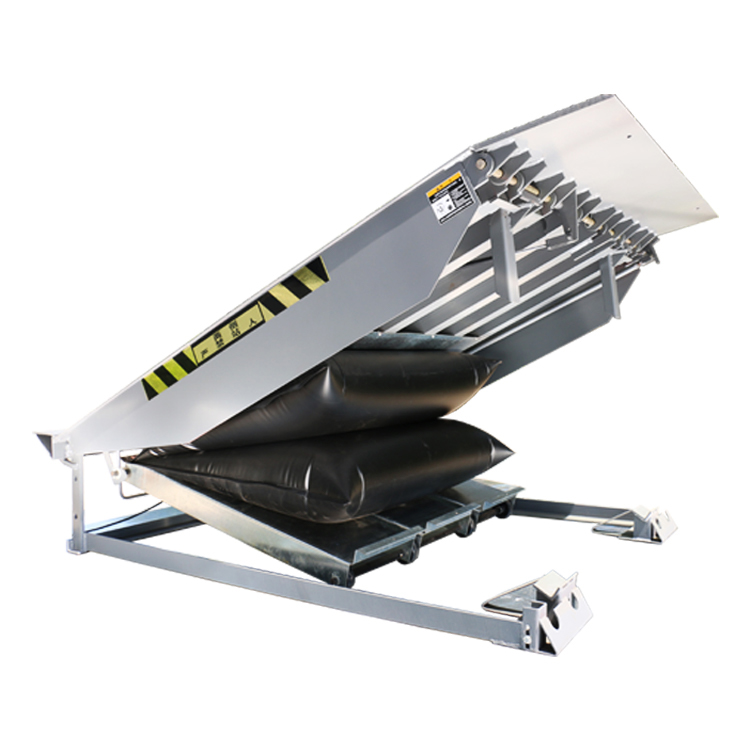
When I look at what slows down a warehouse, a factory, or a busy distribution center, I rarely blame the truck first. In many cases, the real problem starts at the loading point, where uneven trailer heights, repeated impact, and rushed handling create delays and risk. That is exactly why Everbesten Industrial Limited Co., Ltd. has gradually become part of more conversations around practical loading solutions. In my experience, choosing the right Dock Leveler is not just about bridging a gap. It is about improving safety, reducing handling pressure, protecting goods, and helping every loading cycle move with more control.
What Usually Goes Wrong at a Loading Bay Before the Equipment Is Upgraded?
I often see the same pain points repeated across different industries. Teams may already have skilled operators and a workable process, but the bay itself keeps creating friction. A poor transition between the dock and the truck can lead to unstable forklift movement, damaged pallets, slower turnaround, and more wear on both equipment and personnel. That kind of problem does not stay small for long.
- I see height differences between vehicles causing unstable loading angles.
- I notice that manual compensation often increases labor intensity and inconsistency.
- I find that impact and vibration can damage packaging, fragile goods, and handling equipment.
- I know that poor sealing and poor alignment can affect cleanliness and workflow efficiency.
- I often hear that downtime becomes more expensive than the equipment that could have prevented it.
Once these issues start affecting delivery speed, labor cost, and customer satisfaction, the loading bay stops being a simple transfer point. It becomes a bottleneck.
Why Do I Consider a Dock Leveler a Core Part of Loading Efficiency Rather Than a Small Accessory?
I do not see a Dock Leveler as an optional extra. I see it as a working surface that directly influences how safely and smoothly products move in and out of a facility. When the platform aligns the dock and the trailer more effectively, forklift travel becomes more stable, handling rhythm improves, and operators can work with more confidence.
That matters even more when loading schedules are tight. In a busy operation, every repeated movement adds up. A more reliable transition reduces hesitation, avoids unnecessary repositioning, and helps teams keep a steady pace instead of constantly adapting to uneven conditions.
| Common Loading Issue | What It Causes | How a Better Solution Helps |
|---|---|---|
| Uneven truck height | Forklift instability and slower movement | Creates a more controlled bridge between dock and trailer |
| Frequent manual adjustment | More labor pressure and inconsistent operation | Supports smoother, more repeatable loading cycles |
| Hard impact during transfer | Damage to goods, pallets, and equipment | Improves transition quality and handling stability |
| Long turnaround time | Reduced dock throughput | Helps speed up loading and unloading workflow |
| Unreliable dock performance | Maintenance interruption and planning difficulty | Supports more dependable daily operation |
How Can the Right Dock Leveler Reduce Safety Pressure for My Team?
I always think about people first. A loading area can be one of the most demanding parts of an industrial site because it combines vehicle movement, lifting equipment, tight schedules, and repeated handling. If the dock transition is poor, the operator feels it immediately. Every bump, gap, or unstable angle increases the chance of mistakes and unnecessary risk.
With a well-matched Dock Leveler, I can help create a more predictable loading environment. That does not just improve comfort. It supports safer forklift entry and exit, better load control, and more consistent movement across shifts. Over time, that consistency matters. It helps teams work with less strain and fewer avoidable disruptions.
- I want operators to move goods with confidence instead of hesitation.
- I want forklifts to travel over a stable surface instead of a risky transition point.
- I want fewer shocks, fewer slips, and fewer sudden corrections during handling.
- I want the loading process to feel repeatable, trainable, and easier to manage.
Which Product Advantages Should I Pay Attention to Before I Choose?
When I evaluate equipment for a loading bay, I do not focus on appearance alone. I pay attention to whether the solution fits the daily reality of the site. Different facilities handle different truck types, loading frequencies, product weights, and workflow demands. That is why a suitable solution should be judged by practical performance.
| What I Evaluate | Why It Matters to Me | What It Improves in Daily Use |
|---|---|---|
| Load handling stability | It affects forklift control and goods protection | Smoother movement across the dock edge |
| Operational convenience | It affects speed and ease of use | Better workflow efficiency for each truck cycle |
| Structural reliability | It affects long-term performance under repeated use | More dependable loading operations |
| Adaptability to site conditions | It affects whether the equipment truly fits the dock | Better matching with actual facility needs |
| Maintenance practicality | It affects downtime and service planning | Lower disruption to the loading schedule |
In other words, I do not just choose a product. I choose how I want my loading bay to function every day.
Why Does Product Fit Matter More Than Simply Buying the Cheapest Option?
I understand why buyers compare prices first. Budget always matters. But when I only look at the lowest initial cost, I risk paying more later through delays, maintenance issues, damaged cargo, inefficient handling, and a poor match with site conditions. A loading system that does not truly fit the operation can create hidden costs week after week.
That is why I prefer to look at total operating value. A Dock Leveler that supports stable loading, reliable daily use, and smoother vehicle turnover can create benefits that continue long after installation. In real operational terms, value is not only about what I spend today. It is about what I avoid losing tomorrow.
How Does a Better Loading Solution Support Different Industries and Applications?
One reason I pay close attention to loading equipment is that the same general problem appears in many industries, even if the goods are completely different. Whether I am dealing with manufacturing output, warehouse replenishment, packaged consumer goods, logistics turnover, or industrial materials, the loading point still has to handle pressure, timing, and movement safely.
- I may need faster truck turnaround in a distribution environment.
- I may need more stable loading support for heavy or repeated industrial use.
- I may need cleaner and more organized transfer conditions in a controlled facility.
- I may need dependable loading performance when shipment frequency is high.
Because operational needs vary, I prefer solutions that can be discussed in terms of application fit rather than generic promises. That approach helps me make better purchasing decisions and gives my team a setup that actually works on site.
What Should I Ask a Supplier Before Making a Final Decision?
Before I move forward, I want clear answers that relate to my actual loading environment. A serious supplier should be able to discuss usage conditions, working expectations, and matching options in a practical way. I do not want vague sales language. I want a conversation that helps me reduce risk and choose correctly.
- Can this solution match the loading frequency of my site?
- Can it support the type of vehicles and handling equipment I use every day?
- Can it help me improve safety and workflow consistency?
- Can it reduce avoidable downtime and handling friction over time?
- Can the supplier communicate clearly about product fit and service support?
These questions help me move from browsing to buying with more confidence.
Why Do I Believe a Reliable Dock Leveler Can Strengthen Long-Term Business Performance?
I think many buyers start by asking whether a loading upgrade is necessary. Later, the better question becomes whether their current setup is already costing too much in slow handling, preventable risk, and daily inefficiency. That shift in perspective matters. The loading bay is not just a physical space. It is part of customer response time, shipment quality, labor efficiency, and warehouse rhythm.
When I choose a better Dock Leveler, I am not only solving a gap between a dock and a truck. I am supporting a better standard of operation. I am creating smoother flow, safer handling, and a more reliable environment for every shipment that leaves or enters the facility.
Could Now Be the Right Time to Upgrade My Loading Bay?
If I am already dealing with unstable loading conditions, repeated delays, cargo damage concerns, or rising labor pressure, waiting rarely makes the problem cheaper. A smarter loading setup can start with a practical conversation. If you are reviewing options for a more dependable Dock Leveler, this is the right moment to take the next step. Please contact us to discuss your project, share your loading requirements, and send your inquiry to our team. We are ready to help you find a solution that fits your site and supports stronger day-to-day performance.