

Why Are More Homeowners and Designers Choosing an Invisible Door?
2026-01-05
I first became interested in the concept of the Invisible Door while working on interior projects where clients wanted visual calm without sacrificing functionality. Around that time, I was introduced to Yilian through industry discussions about minimalist architectural solutions. What stood out was not branding noise, but how naturally their products fit into real spaces. When used well, an Invisible Door does not try to be seen at all, and that is exactly where its value begins.
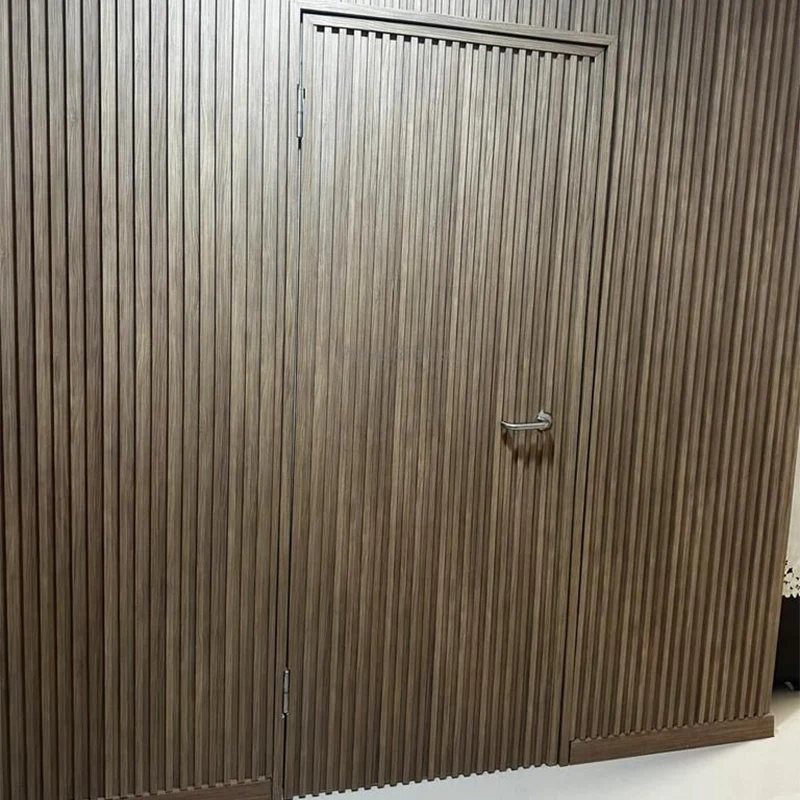
What Problems Does an Invisible Door Actually Solve?
In many homes and commercial interiors, traditional doors interrupt the flow of walls, furniture layouts, and lighting design. I often hear the same concerns from property owners and designers.
- Visible door frames break the continuity of wall surfaces
- Standard doors limit minimalist or modern design concepts
- Small spaces feel more crowded due to visual segmentation
- Renovation projects struggle to balance function and aesthetics
An Invisible Door addresses these issues by aligning the door leaf flush with the wall, reducing visual clutter while maintaining full usability. Instead of adding another object to the room, the door becomes part of the architecture itself.
How Does an Invisible Door Fit into Modern Interior Design Trends?
From my experience, design trends are moving away from decoration-heavy solutions toward cleaner lines and intentional emptiness. An Invisible Door supports this shift in several ways.
- It allows walls to remain visually uninterrupted
- It integrates easily with paint, wallpaper, or wall panels
- It supports both residential and commercial design concepts
- It adapts to minimalist, contemporary, and luxury interiors
Rather than acting as a focal point, the Invisible Door respects the surrounding design. This makes it especially appealing in high-end apartments, hotels, offices, and private residences where visual balance matters.
Why Is Structural Performance as Important as Appearance?
A door that looks good but performs poorly quickly becomes a problem. When evaluating solutions, I always focus on structure, durability, and long-term reliability.
| Performance Aspect | What It Means in Daily Use |
|---|---|
| Frame Alignment | Ensures smooth opening and closing over time |
| Hinge System | Supports hidden installation without sagging |
| Material Stability | Reduces warping caused by humidity or temperature |
| Installation Precision | Keeps the door flush with the wall surface |
A well-designed Invisible Door is not only about hiding the door but ensuring that it functions quietly and consistently for years.
Is an Invisible Door Practical for Everyday Living?
This is one of the most common questions I hear. The short answer is yes, when the system is designed correctly.
- Daily use feels no different from a standard door
- Cleaning is easier without exposed frames
- Space planning becomes more flexible
- Privacy and sound control remain intact
In real living environments, an Invisible Door quietly does its job without drawing attention. That balance between discretion and performance is what makes it suitable for everyday use.
How Do Clients Benefit from Choosing the Right Supplier?
From my perspective, the success of an Invisible Door project depends heavily on the supplier’s understanding of both engineering and design. A reliable partner focuses on compatibility, installation support, and consistent quality rather than overselling features.
This is where thoughtful manufacturers like Yilian stand out. Their approach aligns with real-world needs, offering systems that designers and contractors can actually implement without unnecessary complications.
What Should You Consider Before Making a Decision?
Before selecting an Invisible Door, I always recommend evaluating the project context carefully.
- Wall structure and thickness
- Intended room function
- Frequency of door usage
- Overall interior style
When these factors are addressed early, the final result feels natural rather than forced.
Are You Ready to Explore an Invisible Door Solution for Your Space?
If you are planning a new project or upgrading an existing interior, an Invisible Door can be a practical and refined solution. I believe the best results come from informed decisions and clear communication.
If you would like to discuss options, request technical details, or explore how an Invisible Door can work in your space, please contact us today. Our team is ready to help you turn a clean design concept into a functional reality.