

Why Are Aluminum Fixed Windows Becoming the Preferred Choice in Modern Architecture?
2026-07-03
In modern construction and architectural design, windows are no longer just openings for ventilation and light—they have become essential elements that define energy efficiency, aesthetics, and structural performance. Among the many available options, Aluminum Fixed Windows have gained significant popularity due to their durability, minimal maintenance requirements, and sleek appearance. As urban buildings continue to move toward high-performance materials, manufacturers such as Fujian Yingtai New Material Technology Co., Ltd. are playing a key role in delivering advanced aluminum window systems that meet both residential and commercial demands.
This article explores what makes Aluminum Fixed Windows so important, their functions, advantages, comparisons with other window types, and why they are widely used in modern construction projects.
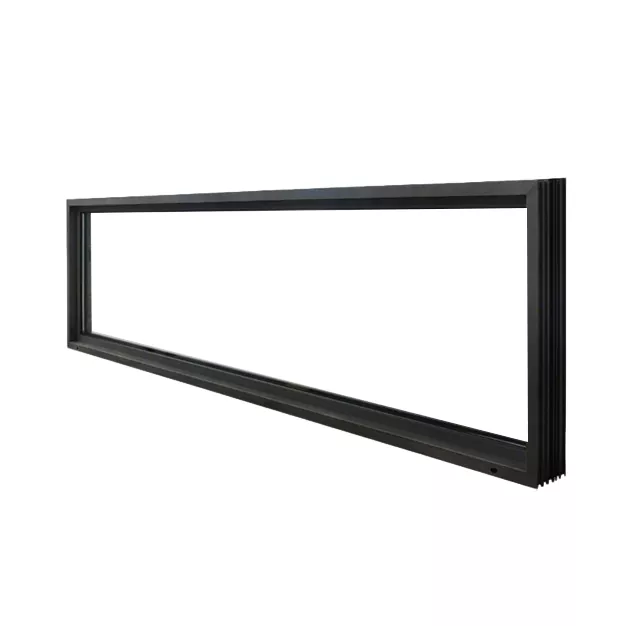
Understanding Aluminum Fixed Windows
Aluminum Fixed Windows are non-operable window systems that do not open or close. Their primary purpose is to allow natural light into a space while maintaining a sealed, airtight structure. Because they lack moving parts, they are often more durable and energy-efficient compared to operable windows.
Key Features:
- Fixed, non-opening structure
- High structural strength aluminum frame
- Excellent weather resistance
- Slim and modern design
- High transparency glass compatibility
These features make them ideal for buildings where ventilation is managed by other systems such as HVAC.
Why Choose Aluminum Fixed Windows?
There are multiple reasons why architects and builders prefer Aluminum Fixed Windows in both residential and commercial projects.
1. Superior Durability
Aluminum is naturally resistant to corrosion, rust, and deformation. Even in extreme weather conditions, these windows maintain structural integrity.
2. Energy Efficiency
When combined with double or triple glazing, Aluminum Fixed Windows help reduce heat transfer, improving insulation performance.
3. Minimal Maintenance
Unlike wooden frames that require repainting or steel frames that may rust, aluminum frames require very little maintenance.
4. Modern Aesthetic Appeal
Their slim profiles allow for larger glass areas, creating a clean, modern architectural look.
Aluminum Fixed Windows vs Other Window Types
To better understand their advantages, here is a comparison table:
| Feature | Aluminum Fixed Windows | Sliding Windows | Casement Windows |
|---|---|---|---|
| Ventilation | None | Moderate | High |
| Energy Efficiency | High | Medium | Medium |
| Maintenance | Very Low | Medium | Medium |
| Structural Strength | Very High | Medium | Medium |
| Cost Efficiency | High long-term value | Moderate | Moderate |
| Aesthetic Design | Minimalist & modern | Standard | Functional |
From the table, it is clear that Aluminum Fixed Windows excel in energy efficiency, durability, and architectural aesthetics, making them ideal for modern building envelopes.
Applications of Aluminum Fixed Windows
Aluminum Fixed Windows are widely used across various construction sectors:
Residential Buildings
- Living rooms with panoramic views
- Stairwells and hallways
- Modern villas and apartments
Commercial Buildings
- Office curtain walls
- Shopping malls
- Hotel facades
Industrial & Institutional Buildings
- Hospitals (controlled environments)
- Schools and universities
- Factories with natural lighting needs
Their ability to provide uninterrupted views and strong insulation makes them suitable for both decorative and functional purposes.
Technical Advantages in Modern Architecture
Modern construction increasingly relies on advanced materials, and Aluminum Fixed Windows provide several technical benefits:
Structural Stability
Aluminum frames support large glass panels without deformation, making them ideal for high-rise buildings.
Thermal Break Technology
Many modern systems use thermal break aluminum to reduce heat transfer, significantly improving insulation performance.
Acoustic Insulation
When paired with laminated or insulated glass, they reduce external noise—especially useful in urban environments.
Safety Performance
Fixed windows eliminate opening mechanisms, reducing mechanical failure risks and improving building safety.
Types of Aluminum Fixed Windows
Different project requirements lead to variations in design and structure:
- Single-glass fixed windows – Cost-effective and basic solution
- Double-glazed fixed windows – Improved insulation and soundproofing
- Thermal break aluminum windows – High-performance energy-saving solution
- Curtain wall fixed windows – Used in large commercial façades
Each type is selected based on climate, budget, and architectural design requirements.
Performance Benefits Summary
Below is a simplified overview of performance advantages:
- Energy saving through reduced air leakage
- Long lifespan with minimal degradation
- Enhanced daylight penetration
- Improved building aesthetics
- Lower maintenance cost over time
- Strong resistance to harsh environmental conditions
These benefits make Aluminum Fixed Windows a preferred choice for sustainable construction projects.
Role of Fujian Yingtai New Material Technology Co., Ltd.
Fujian Yingtai New Material Technology Co., Ltd. is committed to producing high-quality aluminum building materials, including advanced Aluminum Fixed Windows systems. With a focus on innovation, precision manufacturing, and strict quality control, the company provides solutions that meet international construction standards.
Their products are designed to support:
- Energy-efficient building designs
- High-rise architectural systems
- Custom engineering requirements
- Long-term durability performance
By integrating modern production technology with material science, Fujian Yingtai New Material Technology Co., Ltd. ensures that clients receive reliable and high-performance window systems suitable for global markets.
Selection Guide for Aluminum Fixed Windows
When choosing Aluminum Fixed Windows, consider the following factors:
- Climate conditions (hot, cold, humid, coastal)
- Glass type (single, double, laminated)
- Frame thickness and thermal break design
- Building height and wind load requirements
- Aesthetic requirements of the project
Proper selection ensures optimal performance and long-term value.
Common Installation Considerations
- Ensure accurate measurement before installation
- Use high-quality sealing materials
- Proper alignment to avoid structural stress
- Professional installation for high-rise buildings
- Regular inspection of sealants and glass integrity
Good installation practices significantly extend product lifespan.
FAQ
1. Are Aluminum Fixed Windows energy efficient?
Yes. Especially when combined with insulated or low-E glass, they significantly reduce heat transfer.
2. Can they be used in high-rise buildings?
Yes. Their structural strength makes them ideal for skyscrapers and curtain wall systems.
3. Do they require maintenance?
Very minimal maintenance is required compared to wood or steel frames.
4. Are they suitable for residential homes?
Absolutely. They are widely used in modern villas and apartments for natural lighting and aesthetics.
Conclusion
Aluminum Fixed Windows represent a modern solution that combines durability, efficiency, and architectural beauty. Their fixed structure provides superior insulation, safety, and long-term cost efficiency, making them ideal for both residential and commercial applications. As global construction continues to evolve toward sustainable and high-performance materials, products developed by Fujian Yingtai New Material Technology Co., Ltd. stand out as reliable choices for builders and architects.
If you are looking for high-quality Aluminum Fixed Windows solutions tailored to your project needs, contact us today to learn more about our professional manufacturing capabilities and customized services.