

Which Acoustic Interior Swing Door Features Matter Most for Modern Projects?
2026-09-29
Modern interiors are expected to provide more than visual appeal. They increasingly need to support privacy, concentration, comfort, and a better overall user experience. An Acoustic Interior Swing Door combines the familiar operation of a hinged door with construction and sealing features designed to help control sound transmission between rooms. For hotels, offices, residences, meeting rooms, and other noise-sensitive spaces, choosing the right interior door can make a noticeable difference in how a space feels and functions. Foshan Cool Enjoy Times Building Materials Technology Co., Ltd. provides interior door solutions designed to balance acoustic performance, architectural appearance, practical operation, and project requirements.
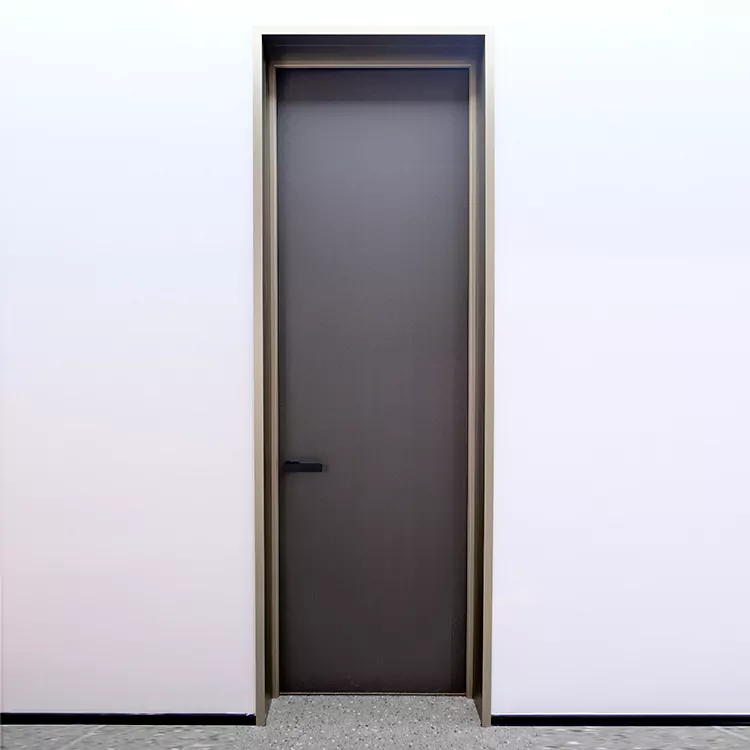
Why Acoustic Performance Matters in Interior Doors
Interior doors can become a weak point in a room's sound-control system. Research on interior doors has shown that gaps around the door, particularly at the bottom and perimeter, can significantly affect overall sound insulation performance.
A conventional lightweight interior door may provide basic separation, but it may not adequately address speech, television sounds, office conversations, or other everyday noise. An Acoustic Interior Swing Door approaches the problem more systematically by combining the door leaf, frame, sealing structure, hardware, and installation into one functional solution.
The importance of acoustic interior doors can be summarized in several areas:
-
Privacy: Helps limit conversations and everyday sounds traveling between rooms.
-
Comfort: Creates a quieter atmosphere for rest, work, and relaxation.
-
Concentration: Supports meeting rooms, private offices, study rooms, and other focused environments.
-
Hospitality experience: Helps hotels and serviced residences provide a more comfortable guest environment.
-
Interior design: Allows acoustic functionality to be integrated into modern architectural aesthetics.
What Makes an Acoustic Interior Swing Door Different?
An acoustic door is not simply a heavier version of a standard interior door. Its performance depends on multiple components working together.
1. Door Leaf Structure
The door leaf forms the primary physical barrier between two spaces. A denser and more stable construction can help reduce the transmission of airborne sound through the panel.
Depending on the project, acoustic doors can incorporate solid or composite structures and sound-control materials. The appropriate configuration should be selected according to the required acoustic target, dimensions, appearance, and operating frequency.
2. Perimeter Sealing
Sealing is particularly important because even a well-designed door leaf can lose acoustic effectiveness when significant gaps remain around it.
Specialized acoustic gaskets and perimeter seals help close the space between the door leaf and frame. Automatic door bottoms or acoustic thresholds can also address the gap beneath the door, which is a recognized path for sound leakage.
3. Frame and Hardware
The frame provides the connection between the door and the surrounding wall. Hinges, locks, closers, and other hardware should maintain stable alignment and reliable compression of the seals.
For commercial and hospitality projects, smooth closing is also important. A controlled closing mechanism can reduce unnecessary impact noise while supporting convenient daily operation.
How Does It Improve the User Experience?
The effects of an Acoustic Interior Swing Door can be practical rather than purely technical.
| Application | Expected Practical Effect |
|---|---|
| Bedrooms | Greater privacy and a calmer sleeping environment |
| Hotel rooms | Reduced disturbance and improved guest comfort |
| Private offices | Better speech privacy and concentration |
| Meeting rooms | Helps contain conversations within the room |
| Study rooms | Supports a quieter environment for focused work |
| Premium residences | Combines privacy with interior design |
The actual result depends on the entire building envelope. Wall construction, ceiling connections, ventilation openings, installation quality, and other transmission paths can also influence the final acoustic environment. Therefore, a door should be considered as part of the complete room design rather than as an isolated component.
Where Should Acoustic Interior Swing Doors Be Used?
Different spaces have different noise-control priorities.
Residential Interiors
Bedrooms, home offices, studies, and entertainment rooms can benefit from improved separation between living areas. In modern apartments and villas, an acoustic swing door can combine functional privacy with a clean architectural appearance.
Hotels and Hospitality Projects
Guest expectations increasingly extend beyond room appearance. Quietness and privacy can influence the overall perception of a hotel stay. Acoustic interior doors can be considered for bedrooms, suites, connecting areas, and private service spaces.
Commercial Offices
Open-plan workplaces often contain meeting rooms, executive offices, and private discussion areas. Acoustic doors can help establish clearer boundaries between collaborative and confidential spaces.
Premium Architectural Projects
High-end residential developments, clubs, healthcare environments, and other specialized projects may require customized dimensions, finishes, hardware, and acoustic configurations. This is where an experienced building-material supplier can provide greater flexibility than standard off-the-shelf products.
Acoustic Performance vs. Conventional Interior Doors
The following comparison highlights the functional difference:
| Feature | Conventional Interior Door | Acoustic Interior Swing Door |
|---|---|---|
| Primary purpose | Room separation | Room separation + sound control |
| Door construction | Often lightweight | Can use denser acoustic construction |
| Sealing | Basic or limited | Enhanced perimeter sealing |
| Privacy | Standard | Improved when properly specified |
| Application | General interiors | Noise-sensitive interiors |
| Customization | Often limited | Can be configured for project needs |
It is important to avoid judging acoustic performance only by door thickness or appearance. Laboratory ratings and real-world results can differ, and installation quality plays an important role in achieving the intended performance. For this reason, project requirements should be evaluated before selecting the final configuration.
Why Choose Foshan Cool Enjoy Times Building Materials Technology Co., Ltd.?
For architects, contractors, developers, and distributors, an interior door supplier needs to understand both product performance and project requirements.
Foshan Cool Enjoy Times Building Materials Technology Co., Ltd. focuses on building-material solutions for modern architectural applications, providing customers with options that can be adapted to different interior styles and functional requirements.
The company's approach can support projects that require a balance of:
-
Acoustic and privacy considerations
-
Modern interior aesthetics
-
Practical swing-door operation
-
Different dimensions and configurations
-
Material and finish coordination
-
Project-oriented customization
-
Reliable communication for B2B purchasing
Rather than treating an acoustic door as a single standardized product, project requirements can be considered from the application, structure, appearance, and installation perspectives.
The Importance of Correct Installation
Even a well-engineered acoustic door may not deliver its intended performance if it is poorly installed. Sound can travel through small openings around the frame or underneath the door, making sealing and alignment essential.
Before installation, project teams should confirm:
-
The required acoustic performance.
-
Wall and opening dimensions.
-
Door leaf and frame configuration.
-
Sealing and threshold requirements.
-
Hardware compatibility.
-
Installation tolerances and alignment.
-
The relationship between the door and surrounding acoustic elements.
This approach helps create a more complete sound-control solution instead of relying on the door panel alone.
Building Quieter Spaces with the Right Door Solution
A modern Acoustic Interior Swing Door serves a broader purpose than simply opening and closing a room. It can contribute to privacy, comfort, concentration, hospitality quality, and the overall functionality of an interior environment.
For B2B projects, the ideal solution depends on where the door will be used, the desired acoustic performance, architectural style, dimensions, and installation conditions. Foshan Cool Enjoy Times Building Materials Technology Co., Ltd. can provide project-oriented building-material solutions for customers seeking functional and aesthetically coordinated interior doors.
If you are planning a hotel, residential, office, or other architectural project and need an acoustic interior door solution tailored to your requirements, contact us to discuss your application, dimensions, design preferences, and project needs.