

What Safety Features Should You Look for in an Awning Electric DC Tubular Motor
2026-05-14
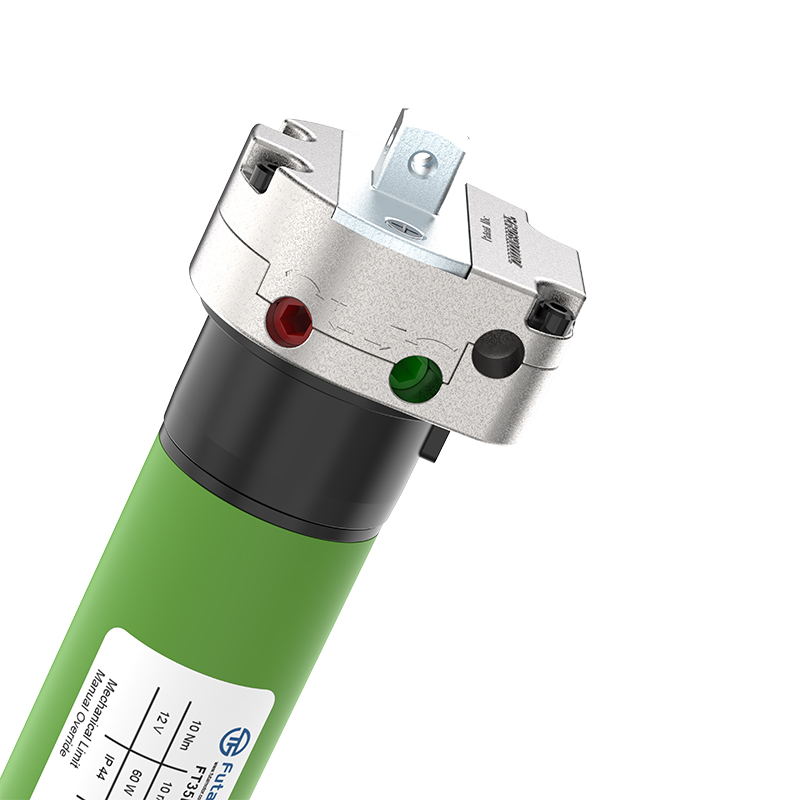
When selecting an Awning Electric DC Tubular Motor, safety is just as critical as performance. A high-quality motor protects your investment, your property, and the people nearby. Futai, a trusted name in tubular motor manufacturing, integrates multiple safety mechanisms into its Awning Electric DC Tubular Motor designs. Below are the essential safety features to evaluate before making a purchase.
Core Safety Features to Prioritize
| Safety Feature | Function | Why It Matters |
|---|---|---|
| Automatic Thermal Overload Protection | Shuts down motor when internal temperature exceeds safe limits | Prevents fire hazards and motor burnout |
| Electronic Limit Switches | Stops fabric movement at preset upper and lower positions | Avoids overrun, fabric damage, or structural stress |
| IP44 or Higher Ingress Protection | Resists dust and water splashes | Ensures reliable outdoor operation |
| Soft Start and Soft Stop | Gradually accelerates and decelerates fabric movement | Reduces mechanical shock and prolongs awning life |
| Manual Override Mechanism | Allows manual retraction during power failure | Ensures emergency closure during storms or outages |
| Anti-Drop Brake System | Holds awning securely when stationary | Prevents sudden descent due to gravity or wind |
Detailed Safety Considerations
Futai emphasizes that an Awning Electric DC Tubular Motor should include torque feedback technology. This feature detects unexpected resistance—such as an object blocking the awning—and automatically reverses motion to prevent injury or damage. Additionally, look for low-voltage DC operation (24V is standard), which significantly reduces electric shock risk compared to AC motors.
Awning Electric DC Tubular Motor FAQ
Q1: What happens if the awning electric DC tubular motor overheats during prolonged use?
A1: A properly designed Awning Electric DC Tubular Motor, such as those from Futai, includes an automatic thermal overload protector. When internal temperature reaches approximately 120°C (248°F), the protector cuts power to the motor. After cooling down for 15–30 minutes, the motor automatically resets and resumes normal operation. This cycle prevents permanent damage to windings, insulation, and internal electronics, eliminating fire risks caused by continuous operation or jamming.
Q2: How does the anti-drop brake system work in an awning electric DC tubular motor when the awning is fully extended?
A2: The anti-drop brake in a Futai Awning Electric DC Tubular Motor employs a mechanical self-locking mechanism combined with an electromagnetic brake. When the motor stops, the brake engages instantly—even if power is cut. The holding torque exceeds the motor’s rated output by at least 50%. This means the awning stays firmly extended under normal wind or vibration. If the motor loses power during extension, the brake automatically locks the output shaft, preventing sudden collapse. Manual override is still available via a dedicated release cord or hex key for controlled retraction.
Q3: Can electronic limit switches fail, and how does the motor respond?
A3: High-end Awning Electric DC Tubular Motor units from Futai use dual-redundant electronic limit switches with magnetic position sensors. If the primary switch fails, the secondary switch activates at a safety margin (typically 2–3 rotations beyond the set limit) and stops the motor. Additionally, the motor’s firmware monitors abnormal run time: if the motor runs 30% longer than the usual travel time without reaching the limit, it automatically stops and triggers an error code via remote control or smart home interface. This failsafe design ensures the awning never tears fabric, bends arms, or stresses the mounting structure due to limit switch failure.
Additional Smart Safety Integration
Modern Futai Awning Electric DC Tubular Motor models support wind and sun sensors (optional). When paired with a wind sensor, the motor automatically retracts the awning if wind speeds exceed 12–15 m/s. Sun sensors can extend or retract based on UV intensity, preventing overheating of the awning fabric. These add-ons transform a basic safety setup into a proactive protection system.
Final Recommendation
Always verify that your Awning Electric DC Tubular Motor carries CE, ROHS, and TUV certifications. Futai motors meet or exceed these standards, ensuring rigorous testing for electrical safety, mechanical durability, and environmental resistance. Do not compromise on safety features—they directly affect the lifespan of your awning and the well-being of your family or customers.
For more information on Futai safety-enhanced Awning Electric DC Tubular Motor models, including technical datasheets and custom solutions, please contact us today. Our team will help you select the right motor for your specific awning project.