

What Role Does Laser Cutting Play in the Development of Electric Vehicle Components?
2026-03-18
The rapid expansion of the electric vehicle market across North America and Europe has raised strict expectations for component accuracy, lightweight design, and long-term durability. EV manufacturers are no longer focused only on assembly efficiency. They now require micron-level precision to ensure battery safety, motor efficiency, and structural integrity. This is where Laser Cutting becomes a core manufacturing process.
In our factory, we have seen increasing demand from OEM buyers who prioritize tight tolerances and repeatability. Our engineering team works closely with Tier 1 and Tier 2 suppliers to deliver consistent metal parts used in battery housings, motor brackets, and thermal management systems. Tianjin Shenghui Metal Products Co., Ltd. has adapted its production lines to meet these evolving industry requirements with advanced CNC-controlled systems.
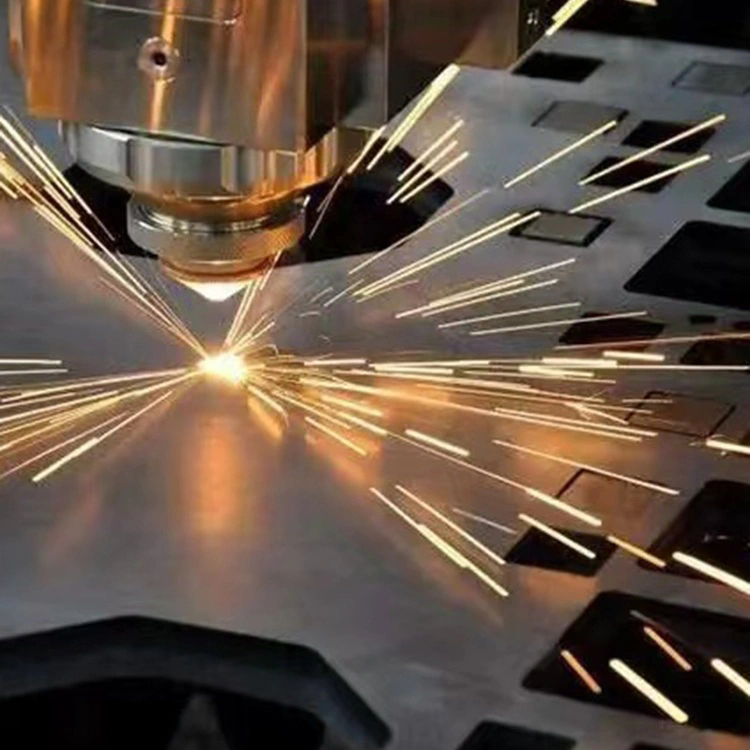
Compared with traditional stamping or mechanical cutting, Laser Cutting allows non-contact processing, which eliminates tool wear and reduces deformation. This is especially important for aluminum alloys and stainless steel widely used in EV structures.
How Does Laser Cutting Improve Efficiency in EV Component Production?
Efficiency is a key factor for EV manufacturers operating in highly competitive markets such as the United States and Germany. Production speed, material utilization, and automation capability all influence final costs. Laser Cutting supports high-speed processing while maintaining consistent quality, making it ideal for scalable EV production.
Our factory integrates automated loading and unloading systems, allowing continuous operation with minimal human intervention. This reduces labor costs while improving output stability. Our clients benefit from shorter lead times and reliable delivery schedules, which are essential for large-scale EV assembly lines.
Another advantage is flexibility. Design changes are common in EV development cycles. Laser Cutting systems can quickly adapt to new CAD files without requiring expensive tooling adjustments, helping manufacturers stay agile in fast-moving markets.
| Parameter | Specification |
| Cutting Thickness | 0.5 mm – 20 mm (Carbon Steel), 0.5 mm – 12 mm (Stainless Steel), 0.5 mm – 10 mm (Aluminum) |
| Positioning Accuracy | ±0.03 mm |
| Repeatability | ±0.02 mm |
| Max Cutting Speed | Up to 120 m/min |
| Supported Formats | DXF, DWG, STEP |
What Materials Are Best Suited for Laser Cutting in EV Applications?
Electric vehicle components rely heavily on advanced materials that combine strength, corrosion resistance, and lightweight properties. Laser Cutting is compatible with a wide range of materials commonly used in EV manufacturing.
Our factory regularly processes aluminum alloys for battery enclosures, stainless steel for structural brackets, and galvanized steel for protective housings. Each material requires specific parameter adjustments to ensure clean edges and minimal thermal impact.
Tianjin Shenghui Metal Products Co., Ltd. has developed optimized cutting profiles based on years of production experience. This ensures stable quality across different material grades while reducing scrap rates.
| Material Type | Application in EV |
| Aluminum Alloy | Battery trays, lightweight structural parts |
| Stainless Steel | Motor brackets, support frames |
| Carbon Steel | Chassis components, reinforcement parts |
| Galvanized Steel | Protective covers, enclosures |
How Does Laser Cutting Support Lightweight Design and Sustainability Goals?
Lightweight design is essential for improving EV driving range. Every kilogram reduced directly contributes to better energy efficiency. Laser Cutting enables intricate geometries and optimized material usage, helping engineers design lighter yet stronger components.
Our factory focuses on minimizing material waste through nesting optimization software. This approach allows us to maximize sheet utilization while reducing production costs for our clients. In addition, Laser Cutting produces minimal burrs, reducing the need for secondary processing and lowering overall energy consumption.
Sustainability is also becoming a key purchasing factor in Western markets. Tianjin Shenghui Metal Products Co., Ltd. aligns with these expectations by adopting energy-efficient equipment and environmentally responsible manufacturing practices.
Why Are Global EV Manufacturers Partnering with Experienced Laser Cutting Suppliers?
Choosing the right supplier is critical for maintaining consistent product quality and meeting strict compliance standards. Experienced manufacturers not only provide machining services but also offer engineering support and quality assurance.
Our factory supports OEM and ODM projects, providing customized solutions based on client drawings and technical requirements. From prototype development to mass production, our team ensures that every component meets international standards such as ISO and automotive quality benchmarks.
Laser Cutting also plays a key role in reducing production risks. With precise control systems and real-time monitoring, defects can be minimized, ensuring that each batch meets customer expectations. Our long-term partnerships with global clients demonstrate our reliability and technical capability.
FAQ
What Role Does Laser Cutting Play in the Development of Electric Vehicle Components?
Laser Cutting enables high-precision shaping of metal parts used in EV batteries, motors, and structural systems. It ensures tight tolerances, reduces material waste, and supports complex geometries that are difficult to achieve with traditional methods. This directly improves performance, safety, and efficiency in electric vehicles.
What Role Does Laser Cutting Play in Improving EV Manufacturing Efficiency?
Laser Cutting significantly increases production speed and flexibility. It eliminates the need for physical tooling, allowing quick design changes and faster turnaround times. Automated systems also reduce labor dependency, making it ideal for high-volume EV production environments.
What Role Does Laser Cutting Play in Supporting Lightweight EV Design?
Laser Cutting allows engineers to create optimized designs with reduced material usage while maintaining structural strength. This helps lower the overall weight of the vehicle, improving battery efficiency and driving range, which are critical factors for EV performance.
Conclusion
Laser Cutting has become a foundational technology in the evolution of electric vehicle components. From improving precision and efficiency to enabling lightweight and sustainable designs, it supports every stage of modern EV manufacturing. Our factory continues to invest in advanced equipment and process optimization to meet the growing demands of global markets.
If you are looking for a reliable partner for EV metal component manufacturing, our team is ready to support your project with customized solutions and consistent quality. Contact us today to discuss your requirements and get a competitive quotation.