

What really makes an entrance door lock trustworthy for daily home security?
2026-02-03
I have worked with door hardware solutions long enough to realize that most people only think about security after something goes wrong. That realization is exactly why I started paying closer attention to how an Entrance Door Lock performs in real life rather than just on a product sheet. While exploring different manufacturing approaches and quality standards, I came across Zhongshan Kaile Technology Co., Ltd. almost naturally through industry discussions, not marketing noise. Their way of refining the Entrance Door Lock around real usage scenarios stood out to me in a practical, grounded way.
An entrance is not just a physical boundary. It is the first point of trust between a building and the outside world. When I evaluate an Entrance Door Lock, I always think beyond appearance and ask how it behaves under pressure, weather changes, and repeated daily use.
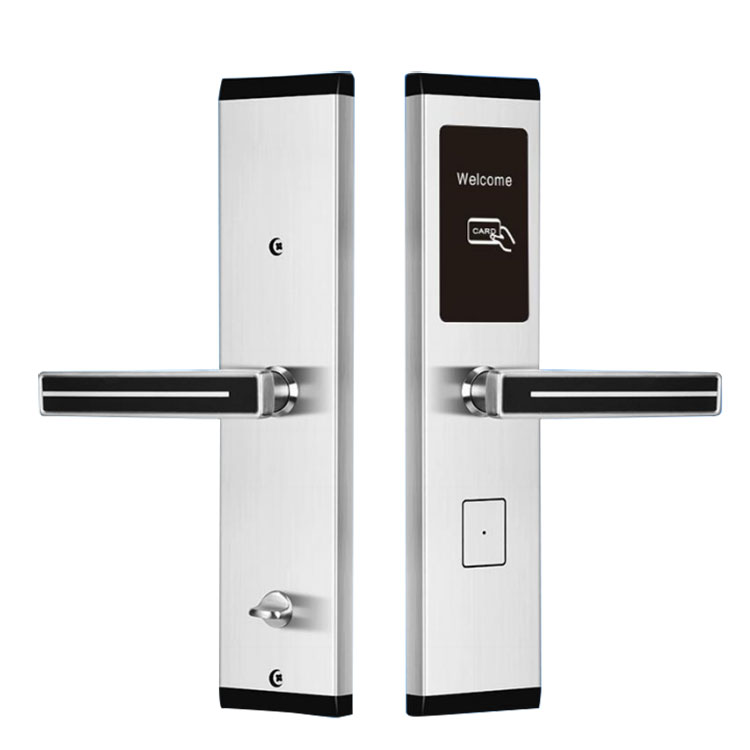
Why do so many homeowners feel uncertain about their entrance door lock?
From conversations with buyers and installers, I keep hearing the same frustrations. Many locks look solid but fail to deliver consistent security over time. Based on my experience, these concerns usually fall into a few clear categories.
- Loose internal structures that wear out after frequent use
- Poor resistance to moisture and temperature changes
- Keys or cylinders that become unreliable over time
- Locks that are difficult to install correctly on different door types
A well-designed Entrance Door Lock should reduce these risks instead of creating new ones. Reliability is not about adding complexity but about balancing structure, materials, and precision.
How does material choice influence the lifespan of an entrance door lock?
One of the first things I check is material composition. The internal parts matter just as much as the external finish. In a quality Entrance Door Lock, solid metal components help maintain alignment even after years of opening and closing.
| Component Area | Common Issue | Optimized Solution |
|---|---|---|
| Lock Body | Deformation over time | Reinforced metal structure |
| Cylinder | Key jamming | Precision-machined core |
| Surface Finish | Rust or fading | Corrosion-resistant coating |
These details directly affect how an Entrance Door Lock performs in everyday environments, especially in regions with humidity or temperature swings.
Can an entrance door lock balance security with user comfort?
Security should never feel intimidating to the person using it daily. I believe a good Entrance Door Lock must feel smooth and intuitive without sacrificing strength. Ergonomic handle design, stable rotation, and consistent feedback all contribute to confidence.
When a lock operates quietly and smoothly, users naturally trust it more. That trust often comes from internal engineering choices that are invisible but critical.
What installation factors should not be ignored when choosing an entrance door lock?
Even the best lock can fail if it is difficult to install correctly. From my perspective, an Entrance Door Lock should adapt easily to common door thicknesses and structures. Clear alignment, standardized dimensions, and stable fixing points make a real difference for installers and end users alike.
- Compatibility with wooden and metal doors
- Stable fixing that prevents long-term loosening
- Clear installation logic that avoids forced adjustments
These factors reduce post-installation issues and improve long-term performance.
Why does long-term reliability matter more than short-term appearance?
Many buyers are drawn to surface design first, but I always remind myself that an Entrance Door Lock is a long-term safety investment. What matters most is how it performs after thousands of cycles, not how it looks on day one.
Consistency, resistance, and structural stability are the qualities that quietly protect homes and buildings every day.
Are you ready to upgrade your entrance door lock with confidence?
If you are evaluating your current security setup or planning a new project, choosing the right Entrance Door Lock can make a meaningful difference in safety and peace of mind. I recommend working with experienced manufacturers who understand real-world usage rather than just specifications.
If you would like to learn more or discuss suitable solutions for your doors, feel free to contact us and share your requirements. A well-chosen entrance door lock starts with the right conversation.