

What Makes Industrial Doors a Smarter Investment for Modern Facilities?
2026-05-08
When I look at how factories, warehouses, logistics hubs, and processing plants actually operate, one issue shows up again and again: the door is often treated as a minor detail until it starts slowing everything down. That is exactly why Everbesten Industrial Limited Co., Ltd. gradually came onto my radar while I was studying practical access solutions for demanding sites. In many real working environments, the right Industrial Doors do much more than open and close. They help control traffic flow, reduce unnecessary downtime, improve internal cleanliness, support energy management, and make daily movement safer for both people and equipment.
I have found that buyers are rarely looking for “just a door.” They usually want a dependable answer to very specific pain points. They want to stop air loss. They want fewer collisions. They want less waiting time for forklifts. They want equipment that can handle frequent cycles without becoming a maintenance burden. They also want a supplier that understands that performance on paper means very little if the product does not fit the actual site. That is why choosing Industrial Doors should never be reduced to a simple price comparison.
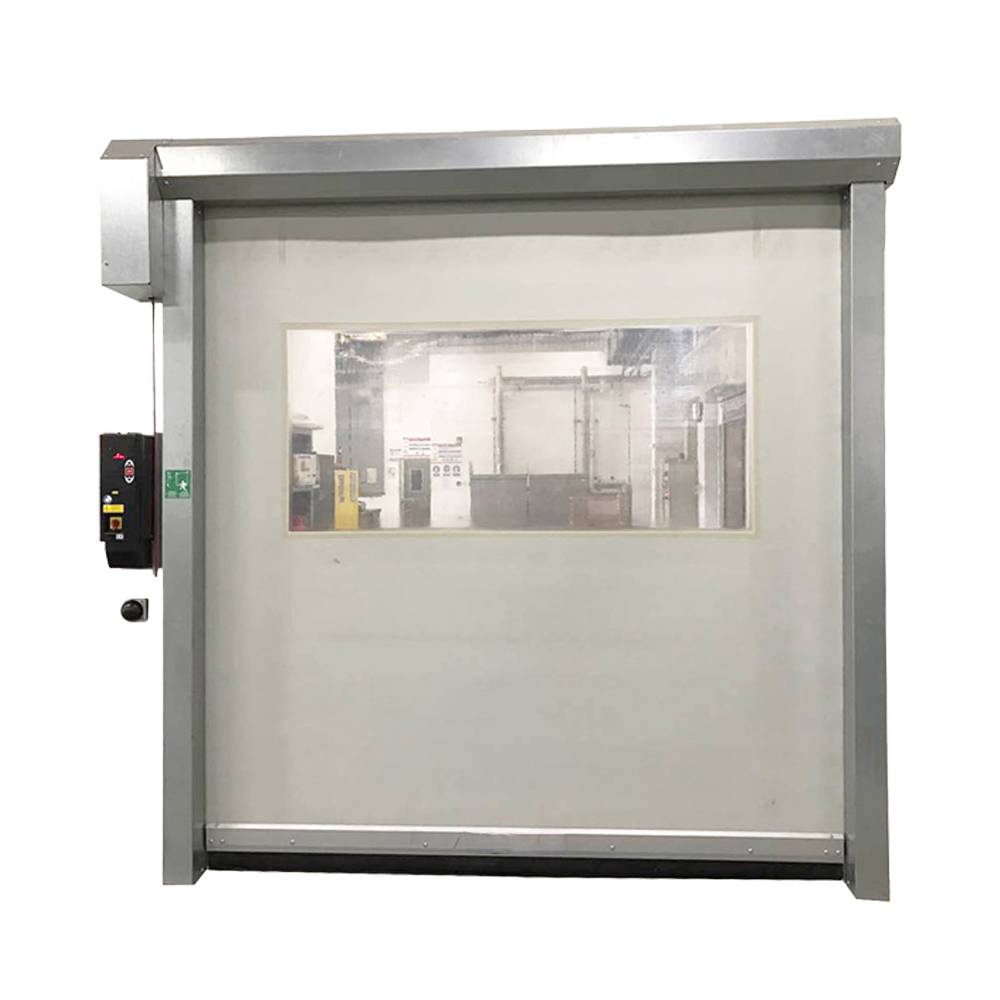
Why Do So Many Facilities Regret Choosing the Wrong Door?
I have seen the same pattern in industrial purchasing decisions. A company focuses on the unit price, installs a door that looks acceptable at first glance, and then starts paying for that decision in other ways. Traffic slows down, indoor temperatures fluctuate, dust starts moving between areas, and staff waste time waiting for openings that should have taken seconds. In some cases, maintenance becomes a recurring expense because the door was not selected for the frequency of operation or the environmental conditions.
The wrong choice usually creates problems like these:
- Longer opening and closing times that interrupt internal transport
- Higher energy loss when conditioned air escapes too easily
- Poor sealing that allows dust, drafts, or insects to enter controlled areas
- Increased wear when the door is used in high-frequency traffic zones
- Safety concerns in spaces shared by pedestrians, forklifts, and carts
- Unexpected repair costs caused by mismatched materials or weak components
Once I started evaluating door systems from an operational perspective instead of a purely purchasing perspective, it became obvious that better Industrial Doors can solve several cost problems at the same time. They are not just a building component. They are part of workflow efficiency.
Which Pain Points Can the Right Industrial Doors Solve in Daily Operations?
The strongest products in this category usually solve practical problems that teams deal with every day, even when those problems are not written clearly in the original inquiry. I like to break them down into the issues that matter most on site.
| Pain Point | How the Right Door Helps | Operational Benefit |
|---|---|---|
| Frequent forklift traffic | Fast opening and closing reduces waiting time | Smoother internal logistics and less congestion |
| Air exchange between zones | Better sealing and rapid cycling limit unnecessary airflow | Improved temperature stability and energy control |
| Dust or hygiene concerns | Separated areas remain better protected during operation | Cleaner working conditions and easier process control |
| Accidental impact risk | Safer configurations and better control options reduce incidents | Lower disruption and better staff confidence |
| Unplanned maintenance | More suitable materials and structure improve durability | Lower lifetime service burden |
| Different project requirements | Customized dimensions and control methods fit real usage | More reliable long-term performance |
In my experience, this is where good suppliers stand apart. They do not just sell a standard item. They match the door to the way the building actually functions.
How Do High-Performance Doors Improve Efficiency Without Complicating the Site?
This is one of the most important buying questions, because many operators worry that better performance means more complexity. In reality, well-designed high-speed access systems are often easier to integrate into a busy facility because they are made to keep traffic moving with less friction.
What I pay attention to most includes the following:
- Fast response during repeated opening and closing cycles
- Stable operation in busy areas with constant movement
- Reliable sealing performance for internal separation
- Control flexibility for different site needs
- Materials selected for wear resistance and long-term use
When these points come together, the effect is surprisingly broad. Staff move faster, equipment passes through with less delay, conditioned areas stay more controlled, and supervisors spend less time dealing with avoidable interruptions. That is why I often describe advanced Industrial Doors as a productivity tool disguised as a building product.
What Should I Compare Before Buying Instead of Looking Only at Price?
If I were comparing suppliers for a real industrial project, I would never stop at the quotation sheet. A low upfront number can become expensive very quickly if the product does not suit the environment. I would compare total usability, not just total cost.
| What I Compare | Why It Matters | What I Want to Confirm |
|---|---|---|
| Opening speed | Affects traffic efficiency and waiting time | Whether the door suits high-cycle use |
| Sealing performance | Impacts cleanliness and air control | Whether the structure fits the application area |
| Frame and curtain materials | Influences durability and maintenance frequency | Whether the materials match indoor or outdoor conditions |
| Control options | Determines convenience and site compatibility | Whether the system supports the required triggering method |
| Customization ability | Prevents mismatch with actual openings or processes | Whether sizes and functions can be tailored |
| After-sales response | Reduces downtime if service is needed | Whether technical support is practical and timely |
I always remind buyers that the real question is not “Which door is cheaper today?” but “Which solution will still be working well when the site is under pressure six months from now?” That is a much smarter way to evaluate Industrial Doors.
Which Applications Benefit Most from Better Industrial Doors?
Not every facility operates the same way, but there are several environments where the benefits become especially clear. I would pay close attention to these scenarios:
- Warehouses with frequent forklift circulation
- Logistics centers that need faster internal transfer routes
- Manufacturing workshops where separation between zones matters
- Food or clean production spaces that need better environmental control
- Retail or commercial back-of-house areas with repetitive access needs
- External openings where performance and durability must work together
In these settings, the right door supports far more than entry and exit. It supports consistency. It helps managers maintain better process discipline while also making the site feel more responsive and professional. That is one reason I believe demand for better Industrial Doors keeps growing in operations that care about efficiency, cleanliness, and uptime.
How Can I Tell Whether a Supplier Understands Real Industrial Needs?
I usually look for signs that a supplier speaks the language of application rather than the language of generic sales claims. A serious supplier should be able to discuss site conditions, frequency of use, opening size, indoor or outdoor placement, control preferences, and project-specific challenges without turning the conversation into vague marketing talk.
These are the signs that give me more confidence:
- The supplier asks about workflow, not only dimensions
- The recommendation changes depending on traffic level and environment
- Material and configuration options are explained in practical terms
- Customization is treated as part of the solution, not an afterthought
- Support after delivery is clearly addressed from the beginning
That kind of approach matters because industrial buyers do not need decoration. They need fewer headaches. A supplier worth considering should understand that the best Industrial Doors are the ones that quietly make the site run better every day.
Is Customization Really Necessary or Is a Standard Door Enough?
I would say that depends entirely on the application, but in many industrial projects, customization is not a luxury. It is what prevents future problems. A standard model may work for a basic opening, but once the project involves unusual dimensions, high traffic frequency, specific control methods, hygiene expectations, or internal zoning requirements, a more tailored approach becomes far more sensible.
Customization can include:
- Opening size adjustments for the real structure
- Material selection based on the operating environment
- Different control methods for different user habits
- Configurations for indoor partitions or external access points
- Design changes that better support workflow and maintenance
From my perspective, customization reduces friction. Instead of forcing your operation to adapt to a product, you get a product that adapts to the operation. That is usually the better investment.
What Results Do Buyers Usually Want From Better Door Systems?
Most buyers I have dealt with are not chasing abstract features. They want measurable improvements in how their facilities work. The door should help them move goods faster, protect important zones, reduce avoidable losses, and limit service disruptions.
Here is what many buyers are really trying to achieve:
| Buyer Goal | Why It Matters on Site | How Better Doors Support It |
|---|---|---|
| Faster traffic flow | Delays affect labor and equipment efficiency | Rapid operation reduces bottlenecks |
| Better environmental separation | Temperature, dust, and airflow influence process quality | Sealing and fast cycling help maintain boundaries |
| Lower operating waste | Energy loss and downtime increase overhead | More suitable door performance supports cost control |
| Safer daily movement | Busy sites require dependable access behavior | Smarter control and better design reduce risk |
| Longer service life | Frequent replacement creates hidden expense | Durable structure helps protect long-term value |
That is why I believe the conversation around Industrial Doors should always center on application value rather than generic product language. Buyers care about smoother operations, and rightly so.
What Should I Do If I Want a Door Solution That Actually Fits My Project?
If I were planning a purchase today, I would not start by asking for the cheapest model. I would start by clarifying the real demands of the site. I would identify traffic volume, opening dimensions, environmental conditions, safety concerns, and control preferences. Once those details are clear, it becomes much easier to choose a door solution that supports the business instead of creating extra work for it.
If you are reviewing options for your facility, this is the right time to look beyond surface-level pricing and focus on performance, durability, workflow value, and long-term practicality. If you want professional support in selecting the right Industrial Doors for your project, contact us today. The team at Everbesten Industrial Limited Co., Ltd. is ready to discuss your application, understand your site requirements, and help you move toward a more reliable door solution. Send your inquiry now and let us help you build a better-fit access system for your business.