

What Makes Curtain Rods a Quiet Yet Decisive Factor in How a Room Truly Feels?
2026-01-09
When I first started paying real attention to interior details, I underestimated how much impact Curtain Rods could have on a space. Over time, through hands-on installation experience and feedback from homeowners, designers, and contractors, I began to see a pattern. This was also when Sunway gradually entered my professional radar, not as a loud brand claim, but as a practical solution that kept showing up in real projects where performance actually mattered. Good Curtain Rods rarely draw attention to themselves, yet poor ones are noticed immediately.
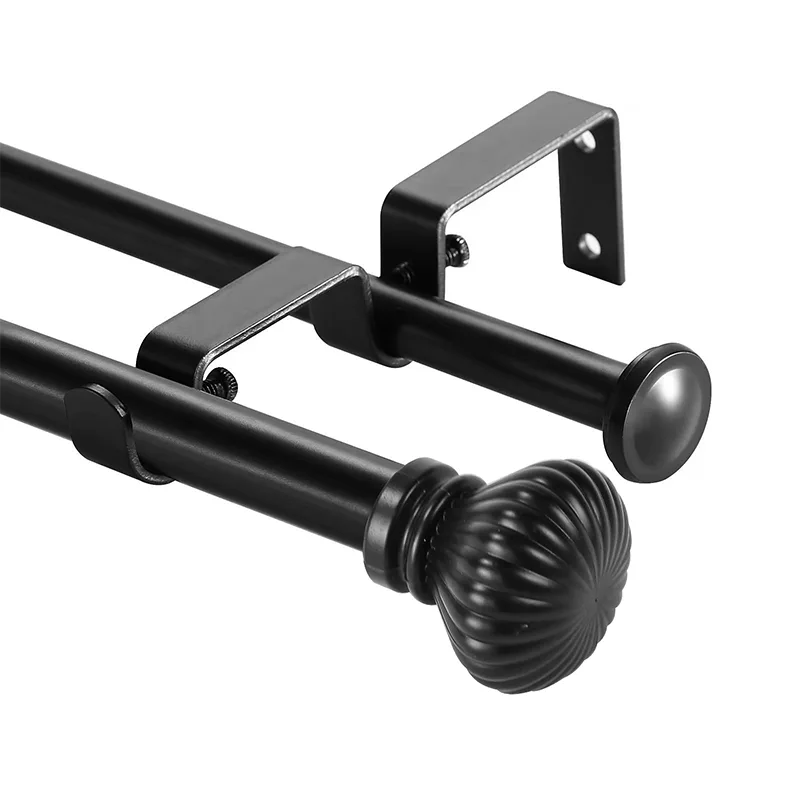
Why Do Curtain Rods Influence Both Functionality and Visual Balance?
I have learned that Curtain Rods sit at the intersection of structure and style. They are responsible for carrying weight, ensuring smooth movement, and visually framing windows without overwhelming the room. When these elements are misaligned, users feel frustration even if they cannot immediately explain why.
- They determine how evenly curtains hang over time
- They affect how smoothly curtains open and close
- They influence whether a window looks wider, taller, or cramped
- They must quietly support daily use without bending or loosening
From my experience, well-designed Curtain Rods are not decorative extras. They are structural components that directly affect comfort and longevity.
How Do Material Choices in Curtain Rods Solve Long-Term Use Problems?
One recurring pain point I hear from customers is deformation after months of use. Thin tubes, inconsistent finishes, and weak brackets all contribute to early replacement. When evaluating Curtain Rods, I focus on material integrity first, because appearance alone does not survive daily friction.
| Material Feature | Why It Matters in Real Use |
|---|---|
| Thick-walled metal tubing | Prevents sagging on wide or heavy curtain spans |
| Anti-corrosion coating | Maintains finish quality in humid environments |
| Reinforced mounting brackets | Ensures wall stability under repeated movement |
| Precision-cut ends | Allows accurate fitting without on-site modification |
This is where Curtain Rods stop being a generic accessory and start becoming a reliable architectural element.
Why Does Installation Experience Matter More Than People Expect?
I have seen many technically sound products fail simply because installation was frustrating. Clear sizing logic, consistent threading, and compatible accessories reduce labor time and installation errors. For professionals and homeowners alike, Curtain Rods should feel intuitive rather than instructional.
- Standardized components reduce guesswork
- Accurate measurements avoid repeated drilling
- Secure fittings prevent post-installation adjustments
From what I have observed, systems designed with installation in mind tend to last longer because they start correctly from day one.
How Can Curtain Rods Support Different Interior Styles Without Compromise?
Design flexibility is another concern that often goes unspoken. A living space evolves, and hardware should not limit future changes. The best Curtain Rods I have worked with are neutral enough to adapt, yet refined enough to complement various interiors.
Whether the room leans toward modern minimalism, transitional comfort, or classic symmetry, the rod should quietly align with the visual language rather than compete with it.
What Role Does Consistent Manufacturing Play in Everyday Reliability?
Consistency is something end users rarely mention, yet they notice its absence immediately. Uneven finishes, mismatched diameters, or unstable connectors all signal inconsistent production. In contrast, well-controlled manufacturing results in Curtain Rods that feel dependable every time they are touched.
Through repeated project use, I have found that stable production standards reduce callbacks, replacements, and long-term dissatisfaction.
Why Should Choosing Curtain Rods Be Treated as a Practical Decision Rather Than an Afterthought?
After working across multiple residential and commercial environments, I no longer see Curtain Rods as minor accessories. They directly influence usability, visual proportion, and long-term satisfaction. Treating them seriously from the start prevents small frustrations from accumulating into costly changes later.
If you are evaluating options or planning a project where durability and ease of use matter as much as appearance, I encourage you to look beyond surface details. Explore solutions that balance structure, finish, and installation logic.
If you would like to discuss suitable Curtain Rods for your specific application or explore reliable options for upcoming projects, feel free to contact us and leave your inquiry. A well-informed choice today can quietly improve everyday comfort for years to come.