

What Makes a Room Door Lock Truly Reliable for Everyday Spaces?
2026-01-28
When I first started paying close attention to how people actually use a Room Door Lock in daily life, I realized it’s rarely just about locking and unlocking. While working closely with Zhongshan Kaile Technology Co., Ltd., I’ve seen how small design decisions can quietly solve long-standing frustrations in homes, apartments, hotels, and offices. A well-designed Room Door Lock should feel almost invisible in use, yet reassuringly solid the moment you turn the handle.
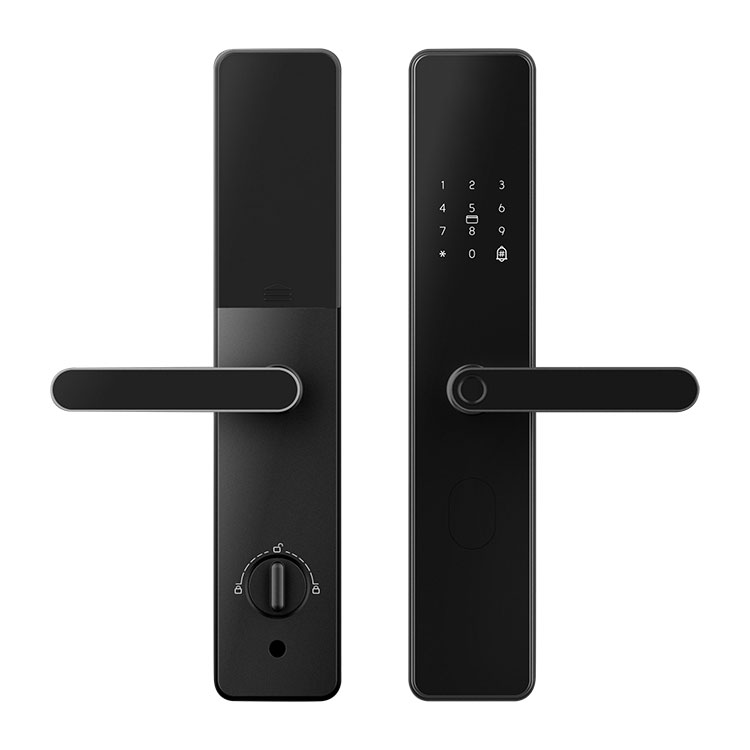
Why Do So Many Room Door Lock Solutions Fail in Real-World Use?
I often hear complaints that sound familiar: keys get stuck, handles loosen, locks feel flimsy after a short period of use. These issues usually come from designs that look good on paper but ignore how people interact with doors every single day. A dependable Room Door Lock needs to balance mechanical strength with ergonomic comfort, especially in high-traffic rooms.
- Frequent opening and closing causing internal wear
- Inconsistent latch alignment after long-term use
- Handles that feel uncomfortable or unstable in the hand
- Materials that corrode or fade in humid environments
From my experience, addressing these problems early in the design phase is what separates an average lock from a reliable Room Door Lock.
How Does Material Choice Affect the Performance of a Room Door Lock?
One detail I pay close attention to is material selection. The internal components matter just as much as the visible surface. High-quality alloys and precision-machined parts tend to maintain smooth operation far longer than cheaper alternatives. This is especially important for a Room Door Lock installed in bedrooms or guest rooms, where quiet operation is often expected.
| Component Area | Common Material | Practical Impact |
|---|---|---|
| Lock Body | Reinforced Zinc Alloy | Improves durability under repeated use |
| Latch Mechanism | Stainless Steel | Reduces wear and corrosion over time |
| Handle Surface | Coated Metal Finish | Provides comfortable grip and stable feel |
These choices directly influence how a Room Door Lock performs months or even years after installation.
Can a Room Door Lock Improve Privacy Without Feeling Overengineered?
In my view, privacy features should feel intuitive rather than complicated. A thoughtfully designed Room Door Lock offers clear visual and tactile feedback, so users instantly know whether a door is secured. This is particularly important in shared living spaces or hospitality settings, where clarity prevents awkward misunderstandings.
- Clear locking indicators visible from user angle
- Smooth rotation with consistent resistance
- Emergency unlocking options for safety scenarios
When these elements are integrated naturally, the lock supports privacy without drawing unnecessary attention to itself.
What Installation Factors Matter Most When Choosing a Room Door Lock?
I’ve learned that even the best Room Door Lock can underperform if installation is overly complex. Standardized dimensions, precise tolerances, and compatibility with common door types make a noticeable difference for installers and end users alike.
Locks designed with practical installation in mind tend to reduce long-term maintenance issues, which is a key consideration for property managers and contractors.
Is Long-Term Value More Important Than Initial Cost for a Room Door Lock?
From a long-term perspective, I believe value outweighs short-term savings. A durable Room Door Lock minimizes replacement frequency, reduces service calls, and maintains a consistent user experience. Over time, this reliability translates into lower overall costs and fewer disruptions.
This mindset is increasingly common among buyers who prioritize performance, safety, and user satisfaction over the lowest upfront price.
Ready to Choose a Room Door Lock That Fits Real Needs?
If you’re evaluating options and want a Room Door Lock that balances durability, comfort, and practical design, I’d encourage you to explore solutions built with real-world use in mind. To discuss specifications, customization, or availability, feel free to contact us and leave an inquiry. The right lock choice starts with understanding your space and your users.