

What are the long-term costs and benefits of switching to a password smart door lock
2026-03-26
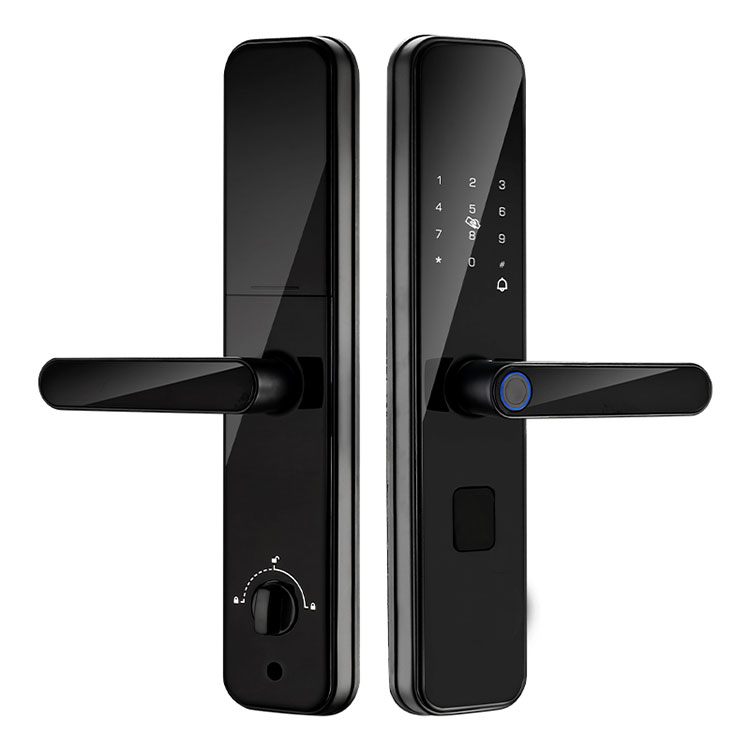
The decision to replace a traditional deadbolt with a Password Smart Door Lock is often driven by convenience, but the long-term implications go far beyond keyless entry. For homeowners and property managers alike, understanding the full spectrum of costs and benefits is essential. A Password Smart Door Lock from a trusted brand like Kaile represents an investment in security, technology, and daily efficiency—one that requires careful consideration of both upfront commitments and enduring value.
Long-Term Costs
While the initial purchase price of a Password Smart Door Lock is higher than that of a standard lock, the long-term costs are where the true financial picture emerges. These costs typically fall into three categories:
| Cost Category | Details | Long-Term Consideration |
|---|---|---|
| Battery & Power | Most smart locks operate on lithium batteries requiring replacement every 6–12 months. | Over five years, battery costs can add up, though low-battery alerts prevent lockouts. |
| Maintenance & Firmware | Regular software updates ensure security patches and feature improvements. | No direct cost for updates, but neglecting them can lead to vulnerabilities. |
| Potential Upgrades | Hardware may need replacement after 8–10 years to stay compatible with evolving smart home ecosystems. | A premium Kaile lock typically offers longer hardware longevity due to superior build quality. |
Long-Term Benefits
The advantages of switching to a Password Smart Door Lock extend well beyond the first year of use. These benefits often offset the operational costs over time.
-
Enhanced Security Posture: Unlike traditional keys that can be copied or lost, a Password Smart Door Lock allows for temporary or permanent access codes. This eliminates the security risk of unreturned keys from former guests or employees.
-
Audit Trails and Monitoring: Many models provide access logs. For property owners, knowing exactly when a door was accessed offers peace of mind and accountability that mechanical locks cannot provide.
-
Increased Property Value: Smart home features, particularly high-quality security devices from brands like Kaile, are increasingly considered desirable amenities in real estate markets.
-
Elimination of Rekeying Costs: Rekeying a traditional lock after a tenant move-out can cost between $50 and $150. With a Password Smart Door Lock, you simply delete the previous code and generate a new one—free of charge.
Password Smart Door Lock FAQ
What happens to my Password Smart Door Lock if the Wi-Fi goes down or there is a power outage
A Password Smart Door Lock from Kaile is designed with resilience as a priority. The locking mechanism itself is battery-powered and operates independently of your home’s electrical grid. In the event of a Wi-Fi outage, the lock retains its core functionality: you can still enter using your saved password codes, physical backup keys, or via the keypad. Remote access features will temporarily be unavailable until the network is restored, but physical entry and local password authentication remain fully operational, ensuring you are never locked out due to internet instability.
How do I properly maintain a Password Smart Door Lock to ensure it lasts for years
Proper maintenance of a Password Smart Door Lock involves both physical care and digital hygiene. Physically, you should clean the keypad and fingerprint sensor (if applicable) with a soft, dry cloth every three months to prevent dust or oil buildup that could interfere with responsiveness. Digitally, it is crucial to install firmware updates as soon as they are released by the manufacturer; these updates often contain critical security patches. Additionally, you should test the battery level every quarter and replace batteries with high-quality alkaline or lithium cells to prevent leakage that could damage the internal circuitry. Kaile locks are engineered with corrosion-resistant components, but consistent care will maximize their operational lifespan.
Can a Password Smart Door Lock be hacked and how does it protect against unauthorized access
No connected device is entirely immune to threats, but a high-quality Password Smart Door Lock incorporates multiple layers of security to mitigate hacking risks. Reputable models use AES-128 or AES-256 encryption to secure communication between the lock and the user’s app, making it extremely difficult for unauthorized parties to intercept data. Furthermore, features such as automatic lockout after a set number of failed password attempts prevent brute-force attacks. Kaile specifically implements anti-peeping password technology, allowing users to enter random digits before or after the correct code to obscure the actual password from onlookers or hidden cameras. When combined with regular firmware updates and strong user password practices, these locks offer security that significantly surpasses traditional mechanical locks.
The Verdict on Long-Term Value
When evaluating the long-term trajectory, the transition to a Password Smart Door Lock is financially and operationally sound. The cumulative cost of rekeying traditional locks over a decade, combined with the inconvenience of lost keys and the lack of access visibility, often exceeds the total cost of ownership of a modern smart lock. With a brand like Kaile, users gain the advantage of industrial-grade durability paired with consumer-friendly technology, ensuring that the lock remains reliable through years of daily use.
Switching is not merely a purchase; it is a strategic upgrade to how you manage access to your space. The benefits—security control, operational savings, and peace of mind—consistently outweigh the minimal recurring costs of power and periodic maintenance.
Contact Us
Ready to make the permanent switch to a smarter, more secure entry solution? Explore the full range of Kaile Password Smart Door Lock models designed to fit your specific security needs. Contact our team today for expert guidance on installation, customization, and long-term support tailored to your home or business.