

What are the key installation mistakes that ruin the soft closing function of a hydraulic hidden cabinet hinge
2026-05-06
When upgrading cabinetry with a Hydraulic Hidden Cabinet Hinge Concealed Side Soft Closing mechanism from Kingbo, the promise is silent, smooth, and durable door operation. However, improper installation frequently destroys that soft closing magic. Understanding the most common errors helps preserve hinge performance and avoids premature failure.
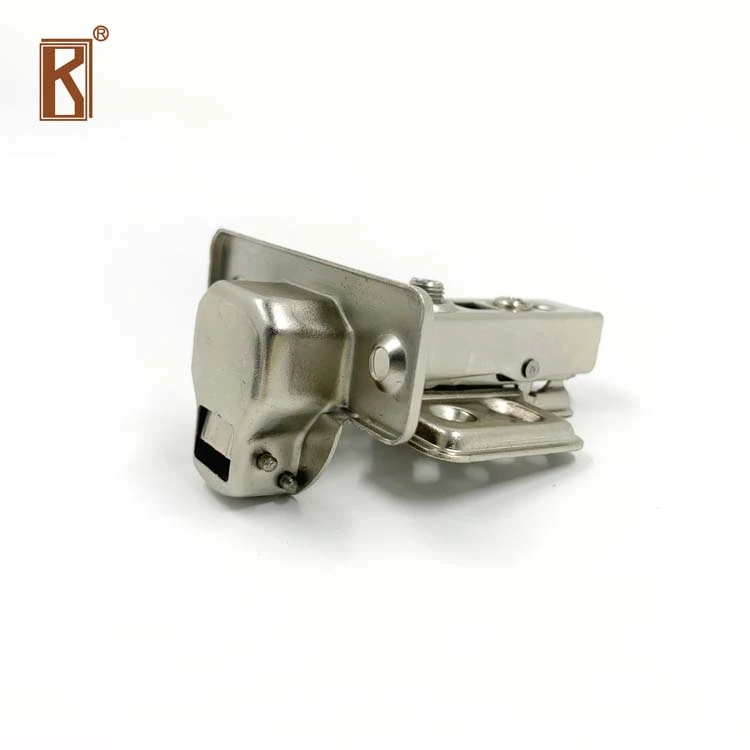
Top Installation Mistakes That Destroy Soft Closing
| Mistake | Consequence | How Kingbo Recommends Fixing |
|---|---|---|
| Wrong mounting plate depth | Door misalignment and weak closing force | Always match plate depth to side panel thickness; refer to Kingbo specs |
| Over-tightened side screws | Hydraulic cylinder jamming or cracking | Tighten until snug, then quarter turn back |
| Ignoring door weight limits | Soft closing fails on heavy doors | Use two Kingbo Hydraulic Hidden Cabinet Hinge Concealed Side Soft Closing units per heavy door |
| Uneven hinge heights | Uneven gap and uncoordinated closing | Use a laser level across hinge installation cups |
| Skipping pre-drilling for concealed side | Wood splitting and hinge angle distortion | Always pre-drill using Kingbo recommended drill bit size |
Four Critical Rules to Preserve Hydraulic Function
-
Check hinge orientation – The concealed side cylinder must face the inner cabinet wall. Reversed hinges disable damping immediately.
-
Adjust closing speed correctly – Do not force the screw beyond the marked range; Kingbo hinges have an adjustment limit of ±15 degrees.
-
Test before final screw lock – Close the door slowly by hand first. If resistance feels uneven, reposition the hinge.
-
Avoid mixing hinge brands – Different hydraulic pressures cause inconsistent movement. Use Kingbo Hydraulic Hidden Cabinet Hinge Concealed Side Soft Closing across all doors on the same cabinet.
Frequently Asked Questions (FAQ)
What is the correct screw torque for a Kingbo hydraulic hidden cabinet hinge concealed side soft closing?
Over-torquing is a leading failure cause. Kingbo recommends a maximum torque of 0.8 Nm for side screws and 1.2 Nm for mounting plate screws. Use a torque screwdriver if available. Excessive tightening warps the concealed housing, blocking hydraulic fluid movement.
Why does the soft closing speed become too slow or too fast after installation?
This typically results from incorrect depth adjustment of the mounting plate or debris inside the hinge arm. First, turn the speed adjustment screw on the Kingbo hinge clockwise for slower closing or counterclockwise for faster closing. If no change occurs, remove the hinge and check for wood dust inside the concealed side cylinder. Clean with compressed air but never oil the hydraulic unit.
Can a previously ruined soft closing hinge be repaired without replacing it?
Partial repair is rarely effective. Once the Hydraulic Hidden Cabinet Hinge Concealed Side Soft Closing loses its damping consistency due to physical over-tightening or bending, internal seals are compromised. Kingbo advises complete hinge replacement for full function recovery. However, you can repurpose the damaged hinge for non-critical utility doors where soft closing is optional.
Final Summary Table: Do vs Don’t
| Do | Don’t |
|---|---|
| Use Kingbo specified drill depth (11-13mm) | Drill through the cabinet face |
| Install hinges in pairs for heavy doors | Mix new and old Kingbo hinges on same door |
| Clean hinge cavity every 6 months | Use oil or grease on the concealed side cylinder |
Contact Us
Need professional guidance for your Hydraulic Hidden Cabinet Hinge Concealed Side Soft Closing project? Reach out to the Kingbo technical team for installation diagrams, torque specifications, and bulk order support. Visit our contact page to speak with a hinge specialist today.