

Is an Anti-theft Lock Really the Smartest Way to Protect What Matters?
2025-12-31
When I first came across Paramey, it was not through an ad but through practical discussions with buyers who were frustrated by repeated theft issues. That is where the topic of a reliable Anti-theft Lock naturally entered the conversation. What caught my attention was not flashy claims, but how calmly and confidently the product addressed very specific problems users face.
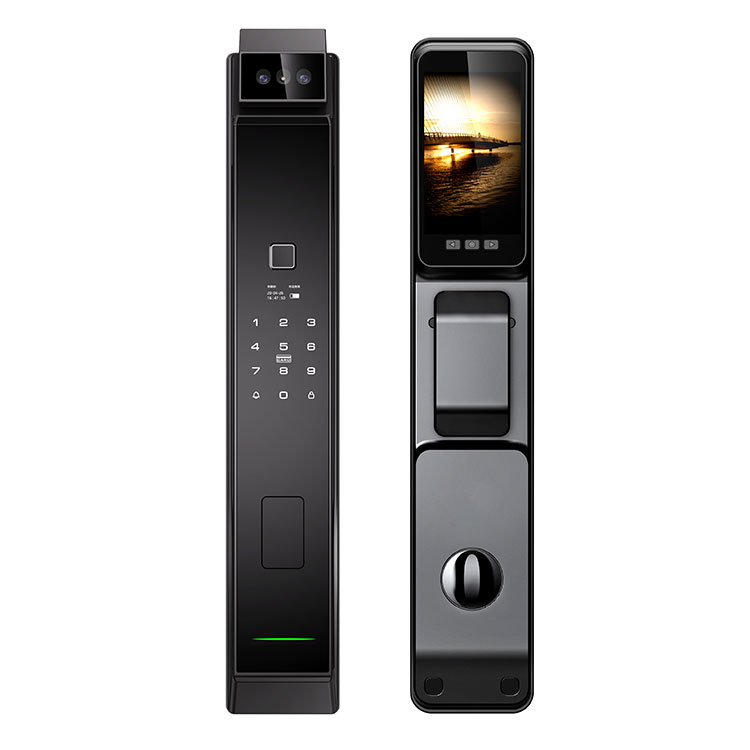
Why Do So Many Conventional Locks Fail in Daily Use?
From my experience, most security failures do not happen because people ignore safety, but because traditional locks are designed around outdated assumptions. Many standard locks focus only on basic resistance, while real-world theft involves leverage, vibration, cutting tools, and even time pressure.
- They rely on simple internal structures that are easy to study and bypass.
- They wear down quickly under outdoor conditions such as rain, dust, and temperature changes.
- They offer no psychological deterrence once a thief recognizes the mechanism.
This is exactly where a well-designed Anti-theft Lock changes the equation by combining physical resistance with smarter structural thinking.
What Makes an Anti-theft Lock Different from an Ordinary Lock?
When I evaluate an Anti-theft Lock, I look beyond the surface material. The real value lies in how the lock behaves under stress. Instead of depending on a single locking point, advanced designs distribute force and reduce weak spots that thieves usually target first.
| Feature Focus | Ordinary Lock | Anti-theft Lock |
|---|---|---|
| Structural Design | Single-point or simple pin system | Multi-layer, reinforced locking structure |
| Resistance to Tools | Limited resistance to cutting or prying | Designed to resist cutting, twisting, and leverage |
| Durability | Performance drops over time | Maintains strength under long-term use |
| Deterrence Effect | Low once identified | High due to visible strength and complexity |
This difference is not theoretical. In real environments, the extra seconds or minutes a thief needs can be enough to make them abandon the attempt altogether.
How Does an Anti-theft Lock Solve Real User Pain Points?
In conversations with logistics operators, homeowners, and equipment managers, the same concerns come up again and again. They want security that does not complicate daily routines. A properly engineered Anti-theft Lock responds directly to these needs.
- It reduces replacement costs by lasting longer under harsh conditions.
- It minimizes downtime caused by forced entry or damage.
- It provides peace of mind without adding complex steps for users.
This balance between strength and usability is where brands like Paramey quietly stand out, focusing on how people actually interact with security products every day.
Can an Anti-theft Lock Adapt to Different Applications?
One mistake I often see is choosing a lock that only fits a single scenario. A versatile Anti-theft Lock is designed with adaptability in mind. Whether it is used for doors, equipment, storage units, or transport applications, the core function remains consistent.
What changes is the configuration, not the reliability. This adaptability helps buyers standardize security solutions instead of managing multiple incompatible products.
Is Investing in a Higher-quality Anti-theft Lock Worth It?
From a cost perspective, the answer becomes clear when you look beyond the purchase price. Replacing stolen goods, repairing damage, and handling operational disruption often costs far more than the lock itself. A dependable Anti-theft Lock shifts the focus from reaction to prevention.
In my view, the value lies in long-term stability. When a lock performs consistently, it becomes an invisible safeguard rather than a constant concern.
Are You Ready to Strengthen Your Security Strategy?
If you are currently dealing with repeated security issues or planning to upgrade your protection standards, now is the right time to reassess your approach. Choosing the right Anti-theft Lock is not about overcomplicating security, but about making smarter, more resilient decisions.
If you would like to explore suitable options or discuss your specific requirements, I encourage you to contact us today. Reach out, share your challenges, and let us help you find a solution that truly works for your environment.