

Is a PVC Door the Practical Upgrade Your Space Has Been Missing?
2025-12-26
When I first started evaluating door solutions for projects with strict durability and maintenance requirements, I kept encountering the same option in real-world applications. Over time, Yilian became a familiar name in discussions with contractors and distributors, especially when the topic turned to long-lasting and cost-efficient door systems. That was also when I began to truly understand the everyday value of a PVC Door—not as a trend, but as a practical answer to recurring customer pain points.
Why Do So Many Projects Struggle With Traditional Door Materials?
In my experience, buyers often come to me after dealing with doors that warp, peel, rust, or demand constant repainting. Wood absorbs moisture, metal corrodes in harsh environments, and composite materials can quietly inflate maintenance costs over time. These issues are not just inconvenient; they disrupt operations and budgets.
- High humidity causing swelling and deformation
- Frequent repainting and surface repairs
- Corrosion in coastal or industrial environments
- Short replacement cycles increasing long-term costs
This is exactly where a PVC Door changes the conversation, especially for buyers who value stability over appearance alone.
How Does a PVC Door Perform in Real Daily Use?
What impressed me most was how consistently a PVC Door performs under conditions that usually expose material weaknesses. PVC does not absorb water, does not rust, and does not require surface treatment to stay functional. From residential bathrooms to commercial facilities, the performance remains predictable.
| Performance Factor | PVC Door Advantage |
|---|---|
| Moisture Resistance | Unaffected by humidity or water exposure |
| Maintenance | No repainting or sealing required |
| Durability | Stable structure over long-term use |
| Cleaning | Simple wiping with common cleaners |
This reliability is one reason I see PVC Door solutions increasingly specified in hospitals, hotels, and rental properties.
Can a PVC Door Balance Cost Control and Long-Term Value?
Many buyers focus heavily on upfront pricing, but I always encourage them to consider lifecycle cost. A PVC Door often delivers savings not because it is cheap, but because it avoids repeat expenses. Fewer repairs, fewer replacements, and less labor all add up.
- Lower maintenance budgets over time
- Reduced downtime for repairs
- Consistent appearance without refinishing
- Predictable service life for planning purposes
When clients run the numbers over several years, the economic logic behind a PVC Door usually becomes very clear.
Where Does Design Flexibility Fit Into PVC Door Solutions?
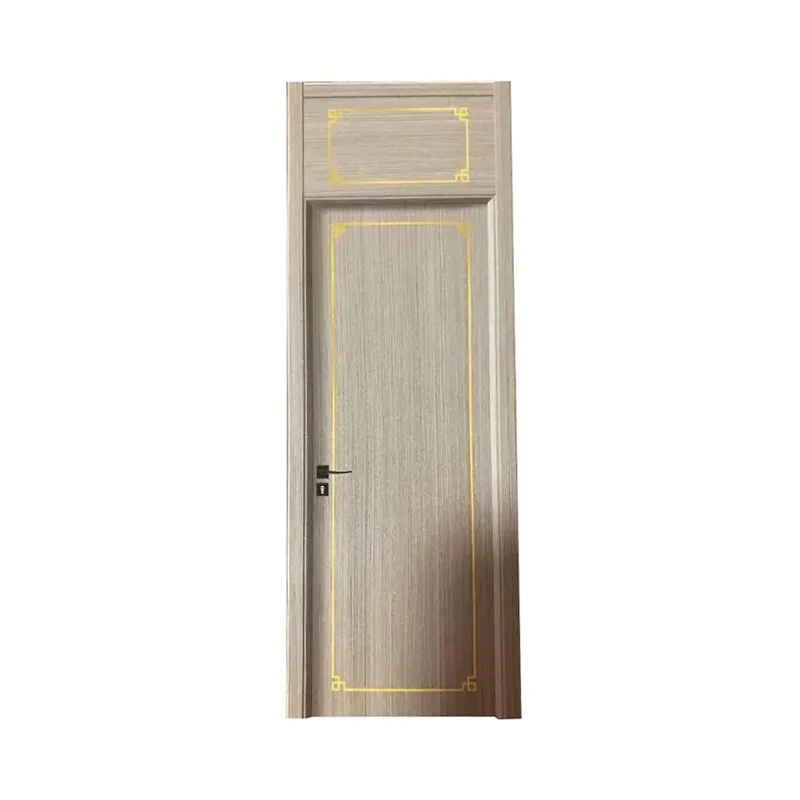
A common misconception I hear is that PVC limits design options. In practice, modern manufacturing allows surface finishes, colors, and panel structures that adapt well to different architectural styles. Whether the goal is a clean commercial look or a subtle residential finish, the flexibility is there.
From my perspective, this design adaptability helps bridge the gap between functional requirements and visual expectations, which is often a critical decision factor for end users.
Is a PVC Door the Right Choice for Your Next Project?
If you are dealing with moisture exposure, heavy usage, or rising maintenance costs, a PVC Door deserves serious consideration. I have seen it succeed in environments where other materials repeatedly fail, and that consistency is hard to ignore.
If you are evaluating options or need tailored guidance for your application, now is the right time to take the next step. Contact us today to discuss specifications, customization possibilities, and sourcing details. Reach out and contact us to request more information or a quotation—we are ready to help you move forward with confidence.