

How to Choose the Right Wardrobe with Door for Your Home?
2026-01-06
Abstract: Selecting the right wardrobe with door requires understanding its dimensions, material, design, and functionality. This article provides a comprehensive guide covering product specifications, practical applications, maintenance tips, and answers to frequently asked questions. Readers will gain insights to make informed decisions while exploring the versatility of wardrobe with door solutions.
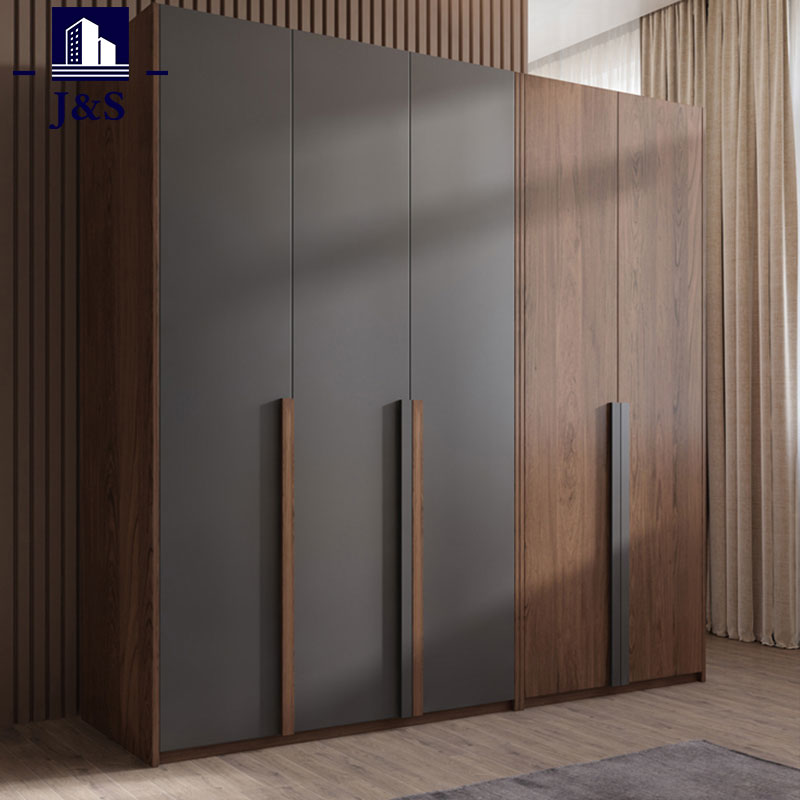
Table of Contents
- Introduction to Wardrobe with Door
- Wardrobe with Door: Detailed Product Specifications
- Frequently Asked Questions about Wardrobe with Door
- Conclusion and Brand Information
Introduction to Wardrobe with Door
Wardrobe with door is an essential furniture piece in modern homes and offices, designed to provide both storage and aesthetic appeal. Unlike open shelving systems, wardrobes with doors offer dust protection, secure storage, and a streamlined appearance. They are suitable for bedrooms, dressing rooms, and living areas where organized storage is critical. Selecting the right wardrobe involves analyzing size, material, door type, and internal layout to match both practical needs and design preferences.
The central focus of this guide is to help consumers understand how to choose, maintain, and optimize a wardrobe with door to enhance living spaces efficiently. With detailed product parameters, practical usage recommendations, and a FAQ section, this article offers a professional roadmap for purchasing decisions.
Wardrobe with Door: Detailed Product Specifications
Below is a professional table summarizing the primary parameters and features of high-quality wardrobes with doors:
| Parameter | Description |
|---|---|
| Material | Solid wood, MDF, engineered wood, metal frame options |
| Door Type | Sliding door, hinged door, bi-fold door, mirrored door options |
| Dimensions | Height: 180-240 cm | Width: 80-200 cm | Depth: 50-65 cm |
| Weight Capacity | Top shelves: 20-30 kg | Hanging rod: 50-80 kg |
| Finishes | Matte, glossy, wood veneer, laminate, paint-coated finishes |
| Additional Features | Soft-close hinges, adjustable shelves, integrated lighting, lockable doors |
Understanding these specifications allows homeowners to select a wardrobe that fits the space, supports the intended load, and aligns with the interior design style. Proper dimension planning is crucial for ensuring door clearance, walking space, and functional storage.
Frequently Asked Questions about Wardrobe with Door
Q1: How to determine the right size of a wardrobe with door for a bedroom?
A1: Start by measuring the available wall space, considering both width and depth. Ensure that door swing or sliding operation does not obstruct movement or adjacent furniture. For built-in wardrobes, allow extra 5-10 cm clearance for installation tolerance. Calculate storage requirements based on the number of clothing items, hanging space, and accessory storage needs. Modular designs with adjustable shelves offer additional flexibility for evolving storage demands.
Q2: How to maintain the surface and doors of a wardrobe?
A2: Regular cleaning with a damp cloth and mild detergent is recommended for wood, MDF, or laminate surfaces. Avoid abrasive materials to prevent scratches. For metal or painted finishes, use anti-corrosion sprays or wax polish periodically. Hinges and sliding tracks should be lubricated with silicone spray every 6-12 months to ensure smooth operation. For mirrored doors, a non-ammonia glass cleaner will maintain clarity without damaging surrounding materials.
Q3: How to choose between sliding and hinged doors?
A3: Sliding doors save space and are suitable for narrow rooms, while hinged doors provide full access to interior compartments. Consider frequency of use, available wall clearance, and style preference. Sliding doors may require occasional alignment checks, whereas hinged doors need robust hinges to support the panel weight. In terms of interior layout, sliding doors may restrict access to one section at a time, which can influence storage organization.
Q4: How to optimize internal storage in a wardrobe with door?
A4: Divide the interior into functional zones: hanging space for clothes, shelves for folded garments, and drawers for smaller items. Accessories like pull-out racks, shoe organizers, and modular bins maximize utility. Adjustable shelves allow reconfiguration based on seasonal wardrobe changes. Integrating hooks, tie racks, and LED lighting further improves visibility and accessibility.
Q5: How to prevent wardrobe doors from warping or misalignment?
A5: Ensure the wardrobe is installed on a level surface and avoid excessive humidity exposure. Solid wood doors require acclimation to room conditions before installation. Sliding doors should operate on tracks with periodic cleaning and lubrication. Hinged doors may need periodic tightening of screws and hinge adjustment to maintain alignment. Avoid overloading shelves or hanging rods, as uneven weight distribution can lead to structural deformation.
Conclusion and Brand Information
Wardrobe with door solutions offer practical, aesthetic, and protective storage for any home or office space. Understanding product specifications, maintenance strategies, door types, and internal organization helps consumers make informed decisions. The right wardrobe selection improves organization, enhances room aesthetics, and prolongs furniture life.
JS provides a professional range of wardrobe with door products, focusing on durability, customizable design, and functional optimization for modern living spaces. For further inquiries, product consultation, or purchase details, contact us directly to receive expert guidance and tailored solutions.