

How to Choose the Right Acrylic Kitchen Door for Your Home?
2026-01-04
Abstract: Acrylic kitchen doors are increasingly popular for their glossy finish, durability, and modern appeal. This article provides a detailed guide for homeowners and interior designers, covering product specifications, installation tips, maintenance, and common questions. Learn how to select the ideal acrylic kitchen door for a seamless and elegant kitchen design.
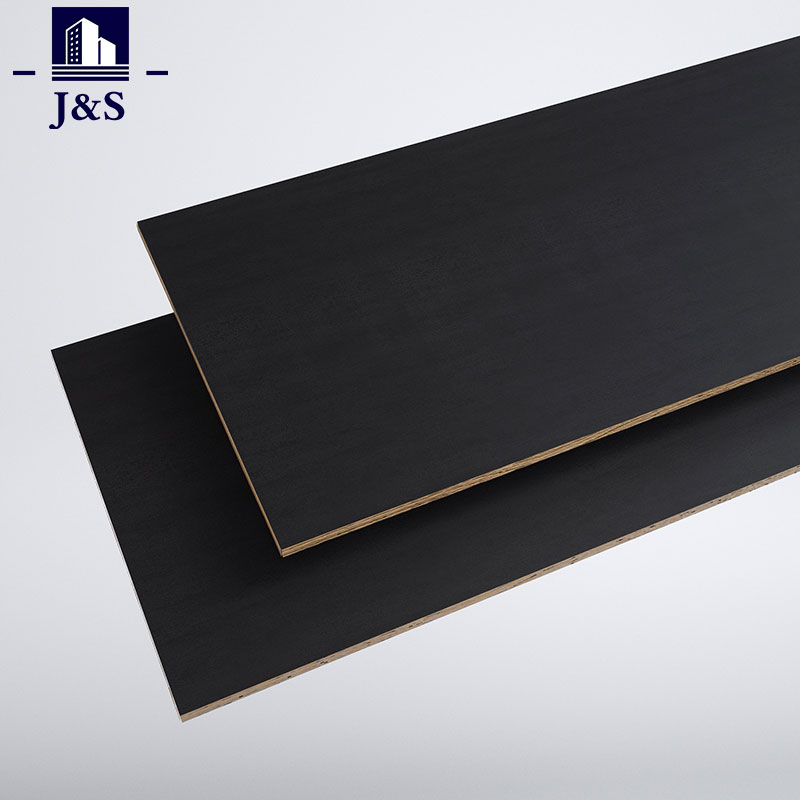
Table of Contents
1. Introduction to Acrylic Kitchen Doors
Acrylic kitchen doors are a type of high-gloss cabinet door designed to elevate the aesthetic appeal of modern kitchens. Made from acrylic sheets laminated onto MDF (medium-density fiberboard) or plywood substrates, these doors provide a mirror-like finish and smooth surface that enhances any kitchen's visual space. Their durability, moisture resistance, and reflective surface make them a preferred choice for homeowners seeking both style and functionality.
The central focus of this guide is to explore all essential aspects of acrylic kitchen doors, from material specifications to installation tips and maintenance advice, providing an in-depth resource for making informed choices in kitchen renovations.
2. Technical Specifications and Material Details
Understanding the specifications of acrylic kitchen doors is crucial for selecting the right product. Key parameters include thickness, finish type, substrate material, and edge profile. Below is a summary of typical professional-grade acrylic kitchen door specifications:
| Specification | Detail |
|---|---|
| Material | Acrylic sheet laminated on MDF or plywood |
| Thickness | 18mm standard; 16mm and 20mm available |
| Surface Finish | High-gloss, matte, or satin options |
| Edge Profile | Square edge, beveled edge, rounded edge |
| Color Options | Custom colors including solid, metallic, and gradient finishes |
| Water Resistance | High moisture resistance suitable for kitchen environments |
| Durability | Scratch-resistant surface; lifespan 15–20 years |
These technical parameters ensure that acrylic kitchen doors are both visually appealing and structurally reliable, meeting modern kitchen design requirements while maintaining longevity.
3. Installation, Maintenance, and Usage Guidelines
3.1 How to Install Acrylic Kitchen Doors Correctly?
Proper installation ensures optimal performance and long-term durability:
- Check door dimensions against cabinet measurements before installation.
- Use concealed hinges designed for MDF or plywood substrates.
- Maintain a consistent gap between doors for smooth operation and thermal expansion.
- Use non-abrasive cleaning tools during installation to prevent scratches.
3.2 How to Maintain Acrylic Kitchen Doors?
Routine maintenance preserves gloss and prevents damage:
- Clean with mild soap or acrylic-specific cleaners; avoid harsh chemicals.
- Use a microfiber cloth to remove dust and fingerprints.
- Polish surface occasionally with acrylic polish to restore shine.
- Avoid contact with sharp objects to prevent scratches.
3.3 How to Maximize Longevity in High-Humidity Kitchens?
Acrylic kitchen doors are resistant to moisture, but proper handling improves durability:
- Install exhaust fans or maintain proper ventilation to reduce humidity exposure.
- Wipe spills immediately to prevent water accumulation on edges.
- Regularly check for hinge alignment to prevent stress on the door surface.
4. FAQs and Expert Recommendations
Q1: What is the difference between acrylic kitchen doors and laminate doors?
Acrylic doors feature a high-gloss, smooth surface that reflects light and offers a more premium look, while laminate doors typically have a textured or matte finish. Acrylic surfaces are easier to clean and more resistant to staining but may require more careful handling to avoid scratches.
Q2: Can acrylic kitchen doors be customized in color and shape?
Yes, acrylic kitchen doors can be fully customized in various colors, including solid shades, metallic finishes, and gradient designs. Custom shapes and edge profiles can also be manufactured to match specific kitchen layouts and design preferences.
Q3: How durable are acrylic kitchen doors compared to other materials?
Acrylic kitchen doors are highly durable due to their scratch-resistant surface and moisture-resistant properties. When properly maintained, they can last 15–20 years, outperforming traditional laminate or painted MDF doors in high-moisture kitchen environments.
5. Conclusion and Contact Information
Acrylic kitchen doors provide a blend of aesthetic elegance, functionality, and durability, making them an ideal choice for modern kitchens. By considering material specifications, installation techniques, and maintenance practices, homeowners and designers can achieve a stylish and long-lasting kitchen solution. For professional-grade acrylic kitchen doors, JS offers a wide selection of customizable options to suit any kitchen project.
For more information or to request a quote, contact us today and discover how JS can transform your kitchen with premium acrylic doors.