

How to Choose a Wardrobe with Door for Practical and Long-Term Use?
2026-01-15
Abstract
A wardrobe with door is more than a storage unit; it is a functional element that influences organization, privacy, interior harmony, and daily convenience. Many buyers face challenges such as limited space, mismatched styles, insufficient durability, or inefficient internal layouts. This article provides a structured and in-depth explanation of how to evaluate, select, and apply a wardrobe with door in residential and commercial environments. It focuses on real user concerns, material choices, door mechanisms, layout planning, and maintenance considerations, helping decision-makers avoid common pitfalls and achieve long-term value.
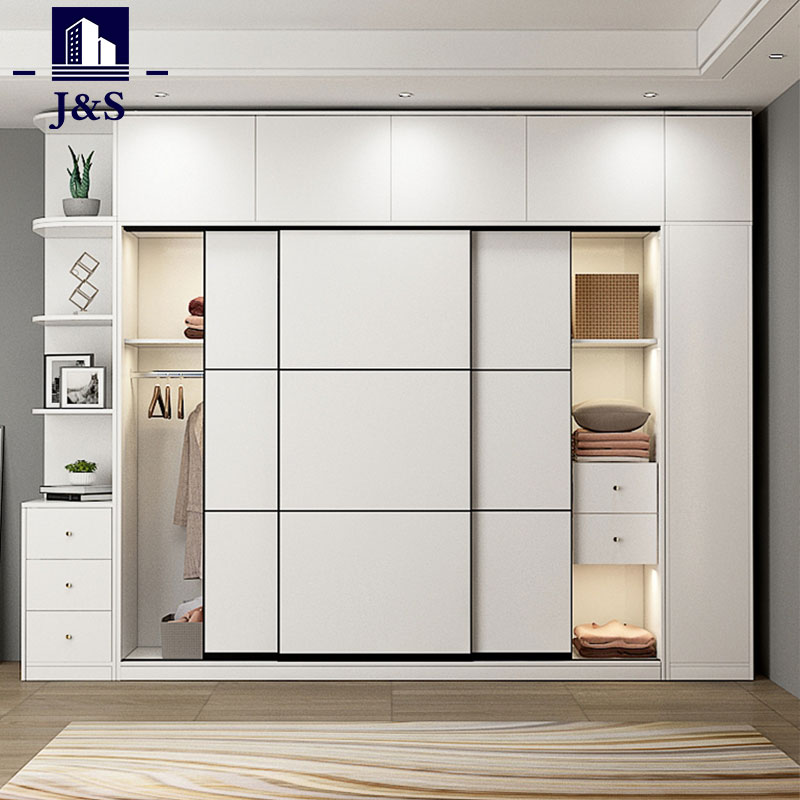
Table of Contents
- Understanding the Purpose of a Wardrobe with Door
- Common Customer Pain Points and How to Address Them
- Door Types and Their Practical Implications
- Material Selection and Structural Reliability
- Internal Layout Design and Storage Efficiency
- Size Planning and Space Optimization
- Application Scenarios and Use Cases
- Comparison Table of Key Selection Factors
- Maintenance, Longevity, and Daily Care
- Frequently Asked Questions
Understanding the Purpose of a Wardrobe with Door
A wardrobe with door serves two essential purposes: organized storage and visual containment. Unlike open shelving systems, doors help conceal clothing, accessories, and personal items, creating a cleaner and more structured environment. This is especially important in bedrooms, apartments, hotels, and serviced residences where visual order directly affects comfort and perceived space.
From a functional perspective, doors also protect garments from dust, light exposure, and humidity fluctuations. When selected correctly, a wardrobe with door becomes a long-term storage solution that adapts to changing lifestyle needs rather than a fixed, short-term fixture.
Common Customer Pain Points and How to Address Them
Many buyers encounter similar challenges when selecting wardrobes. Understanding these issues early can significantly reduce replacement costs and dissatisfaction.
- Limited space: Oversized wardrobes can overwhelm smaller rooms.
- Poor internal organization: Inadequate shelves or hanging areas lead to clutter.
- Door interference: Swing doors may conflict with surrounding furniture.
- Material degradation: Low-quality panels may warp or discolor over time.
A well-designed wardrobe with door addresses these concerns through proportional sizing, modular internal layouts, appropriate door systems, and stable materials. Evaluating these factors before purchase is critical.
Door Types and Their Practical Implications
The door mechanism directly affects usability, space efficiency, and long-term comfort. Each type offers distinct advantages depending on room conditions.
- Hinged doors: Provide full access to the wardrobe interior and are easy to maintain.
- Sliding doors: Save space and are suitable for compact rooms or narrow layouts.
- Folding doors: Balance accessibility and space efficiency for medium-sized areas.
Selecting the correct door type ensures smooth daily operation and prevents unnecessary spatial constraints.
Material Selection and Structural Reliability
Material quality determines both the visual appeal and lifespan of a wardrobe with door. Buyers should consider structural stability, surface durability, and environmental adaptability.
- Engineered wood panels for consistent structure
- Solid wood accents for enhanced durability
- High-quality hardware for repeated door movement
Well-finished surfaces resist moisture and abrasion, ensuring the wardrobe maintains its appearance over time. Companies such as J&S focus on balancing material reliability with modern design requirements.
Internal Layout Design and Storage Efficiency
An efficient internal layout is often overlooked, yet it directly impacts daily usability. A wardrobe with door should support diverse storage needs without wasted space.
- Dedicated hanging zones for long and short garments
- Adjustable shelves for folded clothing
- Drawers for accessories and smaller items
Modular internal configurations allow users to adapt storage as needs evolve, making the wardrobe suitable for long-term use.
Size Planning and Space Optimization
Proper sizing ensures that the wardrobe integrates seamlessly into the room rather than dominating it. Height, depth, and width should align with ceiling clearance, wall dimensions, and movement paths.
For urban apartments or compact bedrooms, a wardrobe with door designed with vertical storage maximizes capacity without sacrificing comfort.
Application Scenarios and Use Cases
A wardrobe with door is not limited to residential bedrooms. Its versatility supports multiple environments.
- Master and guest bedrooms
- Walk-in closet zones
- Hotels and serviced apartments
- Rental properties requiring durable solutions
Each scenario demands different priorities, from aesthetics to durability and ease of maintenance.
Comparison Table of Key Selection Factors
| Factor | Basic Option | Optimized Option |
|---|---|---|
| Door Type | Standard hinged | Sliding or hybrid system |
| Internal Layout | Fixed shelves | Adjustable modular storage |
| Material | Single-layer panels | Reinforced engineered wood |
| Longevity | Short-term use | Long-term residential or commercial use |
Maintenance, Longevity, and Daily Care
Regular maintenance extends the lifespan of a wardrobe with door. Simple practices such as gentle surface cleaning, hardware inspection, and moisture control help preserve both function and appearance.
High-quality wardrobes require minimal intervention when materials and fittings are selected appropriately from the beginning.
Frequently Asked Questions
-
Is a wardrobe with door suitable for small rooms?
Yes. With proper sizing and sliding door systems, it can enhance organization without occupying excess space. -
How long should a well-made wardrobe last?
With stable materials and correct installation, it can serve reliably for many years. -
Can internal layouts be customized?
Many modern designs support adjustable shelves and modular compartments for flexibility.
Conclusion
Choosing a wardrobe with door requires careful evaluation of space, materials, door mechanisms, and internal structure. When these elements are aligned, the result is a storage solution that supports daily routines while maintaining visual order. J&S continues to develop wardrobe solutions that balance functionality, durability, and modern design expectations. To explore tailored options and professional guidance, contact us today and discover how the right wardrobe can transform your space.