

How Sliding Doors Transform Space, Efficiency, and Modern Living
2026-04-27
Abstract: Sliding doors have become a cornerstone of modern architectural design, offering a seamless blend of aesthetics, functionality, and space optimization. This article explores how sliding doors work, their benefits, materials, installation considerations, and how to choose the right system for residential or commercial applications. Whether you are renovating or building new, this guide addresses key customer concerns such as durability, insulation, security, and cost-effectiveness.
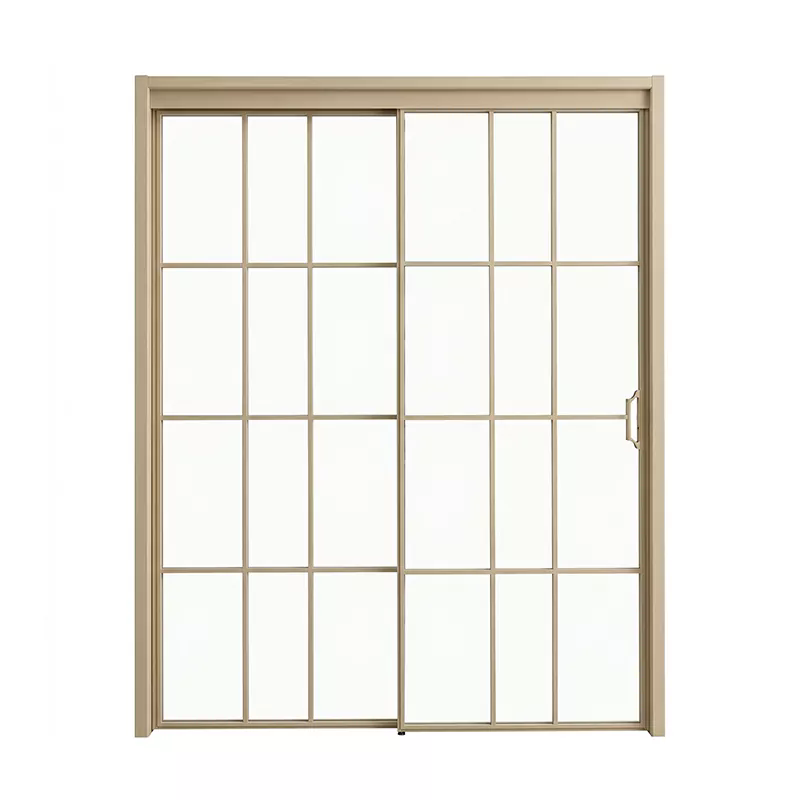
Table of Contents
- 1. What Are Sliding Doors?
- 2. How Sliding Doors Work
- 3. Key Benefits of Sliding Doors
- 4. Types of Sliding Doors
- 5. Materials Comparison
- 6. Common Customer Pain Points and Solutions
- 7. Installation and Maintenance Tips
- 8. Cost Considerations
- 9. How to Choose the Right Sliding Door
- 10. FAQ
1. What Are Sliding Doors?
Sliding doors are door systems that operate horizontally along a track rather than swinging open. They are commonly used in homes, offices, patios, and commercial buildings where space efficiency and visual openness are priorities.
Unlike traditional hinged doors, sliding doors minimize obstruction and allow for wider openings, making them ideal for modern layouts.
2. How Sliding Doors Work
Sliding doors function through a track-and-roller mechanism. The door panel is mounted on rollers that glide along a fixed track, enabling smooth horizontal movement.
- Track System: Guides the door movement
- Rollers: Ensure smooth sliding action
- Frame: Supports structure and sealing
- Glass or Panel: Provides insulation and visibility
High-quality systems from manufacturers like Weifang Kamulang Home Technology Co., Ltd. incorporate precision-engineered rollers and durable tracks to ensure long-term reliability.
3. Key Benefits of Sliding Doors
- Space Saving: No swing radius required
- Natural Light: Large glass panels maximize daylight
- Aesthetic Appeal: Clean, modern appearance
- Energy Efficiency: Advanced sealing improves insulation
- Indoor-Outdoor Connection: Seamless transition to patios or gardens
These advantages make sliding doors especially popular in urban environments where maximizing usable space is critical.
4. Types of Sliding Doors
| Type | Description | Best Use Case |
|---|---|---|
| Patio Sliding Doors | Large glass panels for outdoor access | Balconies, gardens |
| Pocket Sliding Doors | Slide into wall cavity | Interior space-saving |
| Bypass Sliding Doors | Panels slide past each other | Closets, wardrobes |
| Multi-Panel Sliding Doors | Multiple panels for wide openings | Luxury homes, commercial spaces |
5. Materials Comparison
| Material | Advantages | Disadvantages |
|---|---|---|
| Aluminum | Lightweight, corrosion-resistant | Lower insulation without thermal break |
| uPVC | Excellent insulation, affordable | Limited color options |
| Wood | Natural appearance | Requires maintenance |
| Glass (Tempered/Double) | High visibility, energy efficiency | Higher cost |
6. Common Customer Pain Points and Solutions
Problem 1: Poor Insulation
Solution: Choose double-glazed or low-E glass options to improve thermal performance.
Problem 2: Difficult Sliding
Solution: Invest in high-quality roller systems and ensure proper installation.
Problem 3: Security Concerns
Solution: Use multi-point locking systems and reinforced glass.
Problem 4: Noise Leakage
Solution: Opt for acoustic-rated glass and tight sealing systems.
Manufacturers like Weifang Kamulang Home Technology Co., Ltd. address these concerns with advanced engineering and strict quality control.
7. Installation and Maintenance Tips
- Ensure precise alignment of tracks during installation
- Clean tracks regularly to prevent debris buildup
- Lubricate rollers periodically
- Check seals for wear and replace when necessary
Proper installation significantly impacts performance, so professional installation is highly recommended.
8. Cost Considerations
The cost of sliding doors depends on several factors:
- Material type
- Glass specification
- Size and configuration
- Hardware quality
While premium systems may have a higher upfront cost, they often provide better durability and energy savings over time.
9. How to Choose the Right Sliding Door
- Assess available space and layout
- Determine insulation requirements
- Consider design and aesthetic preferences
- Evaluate budget and long-term value
For a detailed product overview, you can explore professional solutions offered by Weifang Kamulang Home Technology Co., Ltd., which specialize in high-performance sliding door systems tailored to diverse needs.
10. FAQ
Q1: Are sliding doors energy efficient?
Yes, especially when equipped with double glazing and proper sealing.
Q2: How long do sliding doors last?
High-quality sliding doors can last 20–30 years with proper maintenance.
Q3: Are sliding doors secure?
Modern systems include multi-point locks and tempered glass for enhanced security.
Q4: Can sliding doors be customized?
Yes, they can be tailored in size, material, and finish to meet specific requirements.
Sliding doors are more than just a design trend—they are a practical solution for modern living challenges. By choosing the right materials, ensuring proper installation, and partnering with a reliable manufacturer like Weifang Kamulang Home Technology Co., Ltd., you can significantly enhance both functionality and aesthetics in your space.
Looking to upgrade your space with premium sliding door solutions? Contact us today to discover how we can help you achieve the perfect balance of style, performance, and durability.