

How Fire-Rated Doors Protect Lives and Property in Critical Situations
2026-05-06
Article Summary: Fire-rated doors are a vital component in modern building safety systems, designed to slow the spread of fire and smoke while providing crucial evacuation time. This article explores how fire-rated doors work, how to choose the right type, common customer challenges, and best practices for installation and maintenance. Whether you're a contractor, facility manager, or property owner, this guide delivers practical insights to help you make informed decisions.
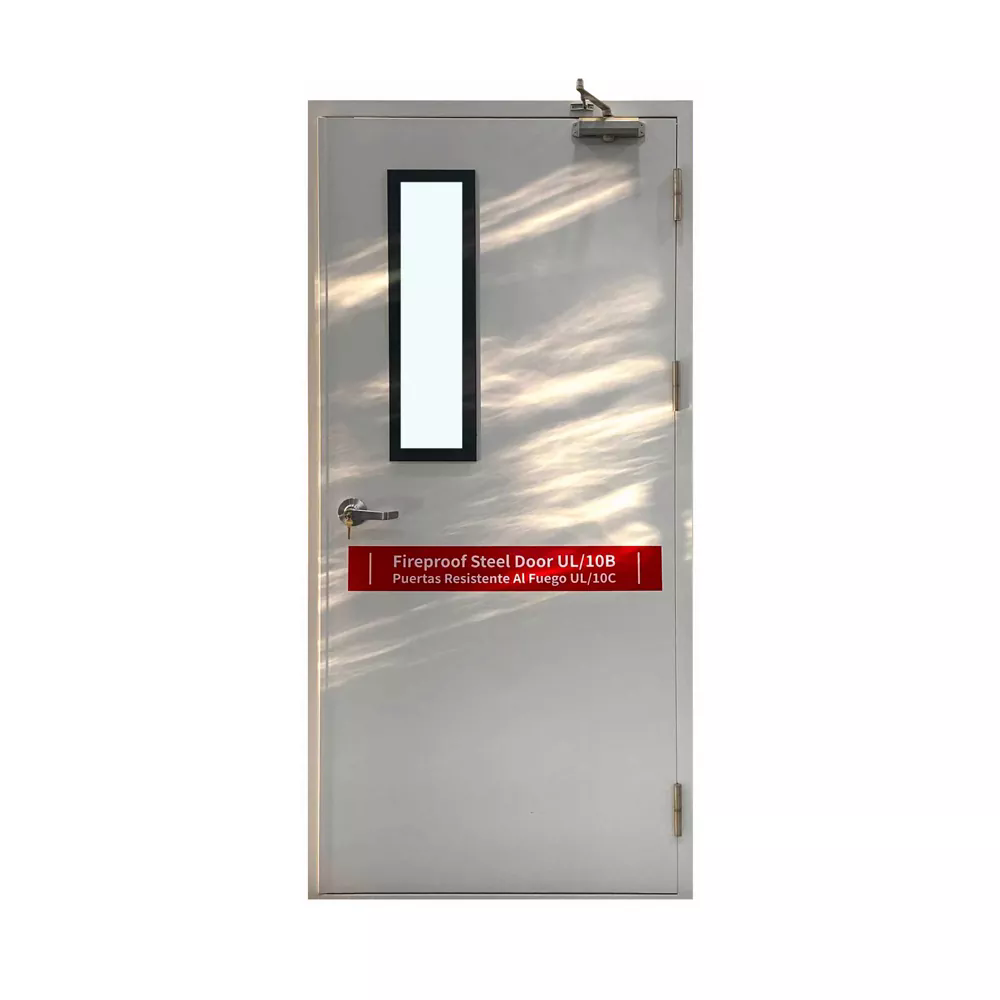
Table of Contents
- 1. Overview of Fire-Rated Doors
- 2. How Fire-Rated Doors Work
- 3. Types and Ratings Explained
- 4. Common Customer Pain Points
- 5. How to Choose the Right Fire-Rated Door
- 6. Installation Best Practices
- 7. Maintenance and Inspection
- 8. Comparison Table
- 9. Frequently Asked Questions
1. Overview of Fire-Rated Doors
Fire-rated doors are specially engineered barriers designed to resist fire and smoke for a specified period. They are typically installed in commercial buildings, industrial facilities, hospitals, and residential complexes to compartmentalize fire and enhance occupant safety.
These doors are not just ordinary doors with stronger materials—they are part of a certified system that includes frames, seals, hardware, and glazing components. When properly installed, they can significantly reduce fire spread and protect escape routes.
2. How Fire-Rated Doors Work
Fire-rated doors function based on a combination of heat resistance, structural integrity, and sealing technology. When exposed to fire:
- They resist high temperatures for a predefined duration (e.g., 30, 60, 90 minutes).
- Intumescent seals expand when heated, sealing gaps and blocking smoke.
- Reinforced cores maintain structural stability under extreme conditions.
The primary objective is containment. By limiting oxygen flow and preventing fire spread, these doors buy valuable time for evacuation and emergency response.
3. Types and Ratings Explained
Fire-rated doors are classified based on their resistance duration and material composition.
- 30-Minute Doors: Suitable for residential and low-risk areas.
- 60-Minute Doors: Common in commercial buildings.
- 90+ Minute Doors: Used in high-risk industrial environments.
Materials include:
- Steel (high durability and fire resistance)
- Wood core (treated for fire resistance)
- Glass (fire-rated glazing with special coatings)
4. Common Customer Pain Points
Many buyers encounter challenges when selecting and implementing fire-rated doors. The most frequent issues include:
- Uncertainty about certification standards and compliance requirements
- Confusion over correct fire rating for specific applications
- Improper installation leading to compromised performance
- High maintenance costs due to poor material selection
- Aesthetic concerns when integrating with architectural design
Kamulang has addressed these concerns by offering certified, customizable fire-rated door solutions tailored to diverse project needs.
5. How to Choose the Right Fire-Rated Door
Choosing the right fire-rated door requires a systematic evaluation of several factors:
- Building Type: Residential, commercial, or industrial
- Fire Risk Level: Based on occupancy and materials
- Regulatory Requirements: Local fire codes and standards
- Door Location: Stairwells, corridors, or exits
- Aesthetic Needs: Finish, color, and glazing options
For example, a hospital requires higher-rated doors with smoke seals, while an office building may prioritize both fire resistance and design integration.
Explore more options here: Fire-Rated Doors Product Page
6. Installation Best Practices
Even the highest-quality fire-rated door will fail if improperly installed. Key installation guidelines include:
- Ensure compatibility between door, frame, and hardware
- Maintain correct gap tolerances (typically 3-4 mm)
- Use certified installers with fire door expertise
- Verify sealing components are intact and properly positioned
Improper installation is one of the leading causes of fire door failure during real emergencies.
7. Maintenance and Inspection
Regular inspection ensures long-term performance. Recommended practices:
- Quarterly visual inspections
- Check seals for damage or wear
- Ensure self-closing mechanisms function properly
- Replace damaged components immediately
Neglecting maintenance can render a fire-rated door ineffective when it matters most.
8. Comparison Table
| Feature | Steel Fire Door | Wood Fire Door | Glass Fire Door |
|---|---|---|---|
| Fire Resistance | High | Medium | Medium to High |
| Durability | Excellent | Moderate | Fragile |
| Aesthetics | Industrial | Warm/Natural | Modern |
| Maintenance | Low | Medium | High |
9. Frequently Asked Questions
Q1: How long do fire-rated doors last?
A: With proper maintenance, they can last 10–20 years or more.
Q2: Can fire-rated doors have glass panels?
A: Yes, but only with certified fire-rated glazing materials.
Q3: Are fire-rated doors mandatory?
A: In many commercial and public buildings, yes—based on local regulations.
Q4: Do they require special frames?
A: Yes, the entire assembly must be fire-rated to be effective.
Q5: How can I verify certification?
A: Look for labels from recognized testing authorities and compliance documentation.
Conclusion
Fire-rated doors are not just regulatory requirements—they are essential life-saving systems. Understanding how they work, selecting the right type, and ensuring proper installation and maintenance can dramatically improve safety outcomes in emergencies.
Kamulang specializes in high-performance fire-rated doors designed to meet rigorous safety standards while offering flexibility in design and application. If you're looking to upgrade your building’s fire protection system with reliable and certified solutions, now is the time to act.
Contact us today to discuss your project requirements and discover how Kamulang can provide tailored fire-rated door solutions that ensure safety, compliance, and peace of mind.