

How Does Smart HomeTechnology Make Daily Living Simpler and Safer?
2026-04-17
When I look at what people truly want from modern living, the answer is usually not more complexity, but more comfort, better control, and fewer daily worries. That is exactly why Smart Home solutions have become such a practical choice for homeowners, property developers, and electrical distributors. As I explored the market, I found that companies like Wenzhou Zhechi Electric Co., Ltd. are helping turn everyday spaces into more responsive, efficient, and user-friendly environments. Instead of treating automation as a luxury, I see Smart Home technology as a smart way to solve real problems such as wasted energy, inconvenient control, and inconsistent household safety.
For many buyers, the biggest challenge is not understanding the idea of automation. The real issue is knowing which products are actually useful, which features matter in daily life, and how to build a system that is reliable instead of complicated. That is why I believe a well-designed Smart Home setup should focus on practical value first. It should help people control lighting, security, appliances, and energy use with less effort, while also fitting naturally into the habits of modern families.
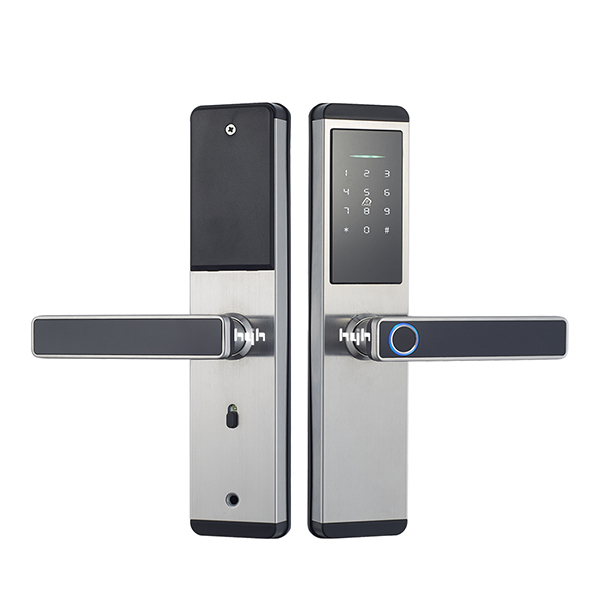
Why Do More Buyers See Smart Home Products as a Practical Upgrade Rather Than a Trend?
I have noticed that the strongest demand for Smart Home products does not come from people chasing novelty. It comes from people who want to fix ordinary frustrations. They want to turn off lights remotely, manage power use more efficiently, improve home security, and make life easier for children, elderly family members, or busy professionals. In other words, they are not buying technology for the sake of technology. They are buying convenience, visibility, and peace of mind.
- I can manage lighting without walking through every room.
- I can check switches and devices even when I am away from home.
- I can create routines that match daily habits instead of repeating the same actions manually.
- I can reduce unnecessary energy consumption and improve efficiency.
- I can integrate comfort and safety into one connected environment.
That shift in buyer mindset matters. It means the market now values dependable design, compatibility, ease of installation, and stable performance much more than flashy marketing language. A good supplier understands that customers want products that work smoothly in real homes, not just in demonstrations.
What Problems Can Smart Home Systems Solve in Real Life?
In my view, the best way to explain the value of Smart Home products is to connect them directly to daily pain points. People often live with small inefficiencies for years without realizing how much time and energy they lose. Once those issues are addressed through intelligent control, the benefits become very clear.
| Common Problem | How Smart Home Helps | Practical Benefit |
| Forgetting to turn off lights or appliances | Remote control and scheduled automation | Lower electricity waste and better convenience |
| Inconvenient control from multiple wall switches | Centralized or app-based control | Faster daily operation and better user experience |
| Concern about household security | Connected sensors, switches, and monitoring options | Improved awareness and safer living spaces |
| Difficulty supporting elderly or children at home | Simple automation scenes and device coordination | Easier, safer, and more comfortable routines |
| High energy costs | Smarter energy management and usage planning | Better efficiency and cost control |
I think this is where a capable manufacturer stands out. It is not enough to offer individual devices. The real advantage comes from creating solutions that work together in a stable and logical way. Buyers want products that can support modern living patterns without increasing installation difficulty or maintenance concerns.
Which Features Matter Most When I Choose a Smart Home Supplier?
When I evaluate a supplier, I do not focus only on appearance or price. I look at whether the company understands how products are used in the field. That includes wiring needs, compatibility, operating stability, and long-term practicality. A reliable Smart Home supplier should help buyers balance technology with usability.
Here are the features I believe matter most:
- Stable performance so users can rely on daily automation without interruptions
- Easy integration with common residential electrical systems and connected devices
- User-friendly control that does not overwhelm homeowners with unnecessary complexity
- Flexible application for apartments, villas, hotels, and commercial spaces
- Consistent product quality that supports long-term use and professional distribution
- Scalable product range that allows buyers to start small and expand later
From my perspective, this is one reason manufacturers with focused experience in electrical and intelligent control products attract attention in international markets. A company such as Wenzhou Zhechi Electric Co., Ltd. reflects the kind of supplier buyers often look for: one that connects product design with real application needs rather than presenting disconnected features.
How Can Smart Home Solutions Improve Comfort Without Making Homes More Complicated?
Some buyers still hesitate because they assume automation will be difficult to use. I understand that concern, because no one wants a home that feels harder to manage than before. In my experience, the goal of a successful Smart Home system is actually the opposite. It should simplify daily actions, reduce repeated tasks, and allow people to create routines that work quietly in the background.
For example, lighting can adjust according to time or activity, selected circuits can be controlled remotely, and multiple devices can be grouped into one scene. These are not abstract features. They are direct quality-of-life improvements that save time and reduce friction in everyday living.
I also think the emotional side matters. A well-designed home should feel responsive. It should support the way people live instead of forcing them to adapt to a device. That is why buyers increasingly value products that combine intelligent control with straightforward operation. Convenience only has real value when it feels natural.
What Makes Smart Home Products Valuable for Distributors and Project Buyers?
For distributors, contractors, and project purchasers, the decision goes beyond end-user comfort. They also need products that are marketable, dependable, and suitable for repeated project use. I believe Smart Home products offer strong commercial value because they align with several purchasing priorities at the same time.
| Buyer Type | Main Concern | Value of Smart Home Products |
| Distributors | Market demand and product range | Broader catalog appeal and stronger cross-selling potential |
| Contractors | Installation practicality and reliability | Products that support efficient project delivery |
| Developers | Property value and user experience | Modern features that improve home attractiveness |
| Importers | Supply consistency and quality control | More confidence in long-term cooperation |
In a competitive market, products that solve visible customer needs usually perform better than products that rely only on technical language. That is why practical positioning matters so much. If I were selecting products for a catalog or project portfolio, I would prioritize solutions that combine ease of use, installation logic, and clear end-user benefits.
Is It Better to Build a Smart Home System Step by Step?
Yes, and I think this is one of the strongest selling points for buyers who want flexibility. Not every customer needs a fully integrated house from day one. Many prefer to begin with essential control points such as lighting, switches, or room-based automation, and then expand the system later. That makes Smart Home adoption much more realistic for a wide range of budgets and project sizes.
I often recommend thinking in phases:
- Start with high-frequency functions such as lighting and switch control
- Add convenience features for bedrooms, living rooms, or entry areas
- Expand into energy management and coordinated scenes
- Upgrade gradually based on user habits and project scale
This phased approach reduces purchasing pressure and allows the user to experience clear benefits early. It also makes product selection easier for importers and distributors because they can offer a more modular path instead of forcing one fixed package on every buyer.
How Should I Evaluate the Long-Term Potential of a Smart Home Partner?
When I assess a long-term supplier relationship, I focus on consistency, communication, and the ability to support different market demands. A dependable partner should not only offer products, but also understand how those products fit into real sales channels and applications. The best cooperation happens when the supplier can support both technical confidence and market adaptability.
That is where manufacturers with a practical product portfolio and export-oriented mindset can bring real value. Buyers need more than a catalog. They need a source that can support business growth, respond to changing project needs, and maintain product quality over time. In the Smart Home market, that trust matters just as much as product function.
What Should I Do If I Want to Upgrade My Product Offering with Smart Home Solutions?
If I were planning my next sourcing decision, I would focus on products that bring immediate user value, clear installation logic, and strong market relevance. A good Smart Home solution should help customers live more comfortably while also giving distributors and project buyers a stronger product story to sell. That is why working with an experienced supplier can make the selection process much easier and more effective.
If you are looking for dependable intelligent electrical products and practical Smart Home solutions, this is the right time to take the next step. Contact Wenzhou Zhechi Electric Co., Ltd. to discuss your sourcing needs, product applications, or project requirements. If you want a supplier that understands both product performance and market expectations, contact us today and leave your inquiry for more details.