

How does Aluminum Alloy Drift Window improve ventilation and durability in modern buildings?
2026-04-16
Article Abstract:
Aluminum Alloy Drift Windows are increasingly becoming a preferred architectural solution for residential, commercial, and industrial buildings due to their balance of structural strength, corrosion resistance, and optimized airflow performance. This article explores how these window systems improve ventilation efficiency, enhance durability, and solve common pain points such as condensation, frame deformation, and poor sealing. It also provides a technical breakdown of materials, design principles, and real-world applications supported by practical tables and comparisons.
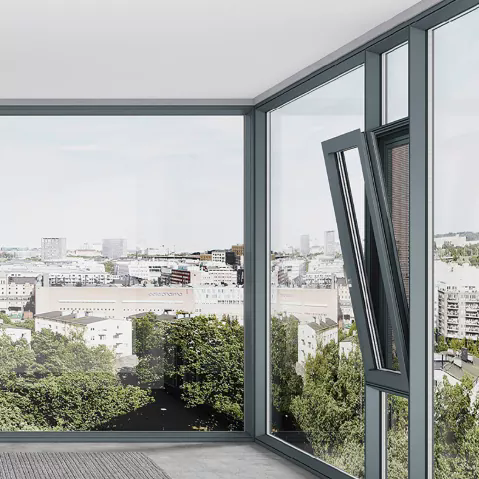
Table of Contents
- 1. Overview of Aluminum Alloy Drift Window Systems
- 2. Key Benefits and Customer Pain Points Solved
- 3. Structural Design and Material Engineering
- 4. Performance Comparison Table
- 5. Application Scenarios in Modern Architecture
- 6. Installation Considerations and Maintenance
- 7. MZOS Engineering Solution Approach
- 8. Frequently Asked Questions
- 9. Conclusion
1. Overview of Aluminum Alloy Drift Window Systems
Aluminum Alloy Drift Windows are engineered window systems designed with high-strength aluminum alloy frames combined with advanced sealing and sliding/dynamic drift mechanisms. Unlike conventional fixed or poorly insulated window systems, drift windows allow controlled airflow regulation while maintaining structural integrity under varying environmental conditions.
The term “drift” refers to the optimized sliding or guided movement mechanism that enhances air exchange efficiency while minimizing energy loss. These systems are especially valuable in climates where ventilation control and thermal stability are critical.
2. Key Benefits and Customer Pain Points Solved
Customers typically encounter several recurring issues with traditional window systems. Aluminum Alloy Drift Windows are specifically designed to solve these challenges:
- Condensation buildup: Improved thermal break design reduces moisture accumulation.
- Frame deformation: High-grade aluminum alloy ensures long-term structural stability.
- Poor ventilation control: Adjustable drift mechanism allows precise airflow regulation.
- Air leakage: Multi-layer sealing technology enhances airtight performance.
- High maintenance costs: Corrosion-resistant materials reduce repair frequency.
These improvements directly translate into lower energy consumption, increased indoor comfort, and longer product lifecycle performance.
3. Structural Design and Material Engineering
The performance of Aluminum Alloy Drift Windows is heavily dependent on material selection and structural engineering precision. The frame typically uses 6063-T5 or higher-grade aluminum alloys known for their excellent strength-to-weight ratio.
Key structural components include:
- High-density aluminum alloy frame
- Thermal break insulation strips
- Multi-point locking system
- Precision sliding rail mechanism
- Weather-resistant sealing rubber
This combination ensures resistance against wind pressure, rain infiltration, and temperature fluctuations, making it suitable for both high-rise buildings and coastal environments.
4. Performance Comparison Table
| Feature | Aluminum Alloy Drift Window | Traditional Window System |
|---|---|---|
| Ventilation Control | Highly adjustable airflow system | Limited or fixed ventilation |
| Durability | High resistance to corrosion and deformation | Prone to rust and frame warping |
| Energy Efficiency | Advanced thermal break technology | Moderate insulation performance |
| Maintenance Cost | Low | Medium to High |
| Lifespan | 20–30 years typical | 10–15 years typical |
5. Application Scenarios in Modern Architecture
Aluminum Alloy Drift Windows are widely used across multiple architectural sectors due to their adaptability and performance consistency.
- Residential Buildings: Enhances natural ventilation while maintaining thermal comfort.
- Commercial Offices: Improves indoor air quality and reduces HVAC load.
- Industrial Facilities: Supports airflow control in controlled environments.
- Educational Institutions: Ensures safe and energy-efficient ventilation systems.
- Healthcare Facilities: Helps maintain hygienic air circulation standards.
These applications demonstrate the versatility of drift window systems in both small-scale and large-scale infrastructure projects.
6. Installation Considerations and Maintenance
Proper installation is critical to ensure the long-term performance of Aluminum Alloy Drift Windows. Incorrect alignment or sealing can significantly reduce efficiency.
Installation best practices:
- Ensure frame leveling before fixation
- Apply high-grade sealing adhesives
- Test sliding mechanism smoothness post-installation
- Verify airtightness under pressure conditions
Maintenance is relatively simple, requiring periodic cleaning of rails, inspection of seals, and lubrication of moving parts.
7. MZOS Engineering Solution Approach
MZOS provides engineered Aluminum Alloy Drift Window systems designed with precision manufacturing and strict quality control processes. Each unit is developed to meet international performance benchmarks while addressing real-world architectural demands.
The company focuses on optimizing airflow efficiency, improving thermal insulation, and extending product durability through continuous material innovation and structural refinement.
More product details can be found here:
MZOS Aluminum Alloy Drift Window Product Page
8. Frequently Asked Questions
What makes Aluminum Alloy Drift Windows different from standard sliding windows?
They integrate a controlled drift mechanism and thermal break system, offering superior ventilation control and energy efficiency.
Are these windows suitable for extreme weather conditions?
Yes. The aluminum alloy structure is engineered to withstand high wind loads, heavy rain, and temperature fluctuations.
Do they require frequent maintenance?
No. They are designed for low maintenance with corrosion-resistant materials and durable sealing systems.
Can they reduce energy consumption?
Yes. By improving insulation and airflow control, they reduce reliance on artificial heating and cooling systems.
How long do Aluminum Alloy Drift Windows last?
With proper installation and minimal maintenance, they can last between 20 to 30 years.
9. Conclusion
Aluminum Alloy Drift Windows represent a significant advancement in architectural window systems, combining durability, energy efficiency, and intelligent ventilation control. Their engineering design addresses common issues found in traditional systems while offering long-term value for property owners and developers.
With the expertise of MZOS, these systems are refined to meet modern building standards and evolving environmental demands. Whether for residential or commercial applications, they provide a reliable and performance-driven solution for today’s construction challenges.
For customized solutions, technical consultation, or bulk procurement options, please feel free to contact us today and explore how MZOS can support your next project.