Article Summary
A purification door is a critical component in controlled environments such as cleanrooms, laboratories, pharmaceutical production facilities, and semiconductor manufacturing plants. It functions as a physical and environmental barrier that helps regulate air quality, reduce particulate contamination, and maintain strict hygiene standards. This article explores how purification doors work, their key features, technical advantages, selection considerations, and practical applications. It also addresses common questions and provides actionable insights for facility managers and engineers seeking to enhance contamination control systems.
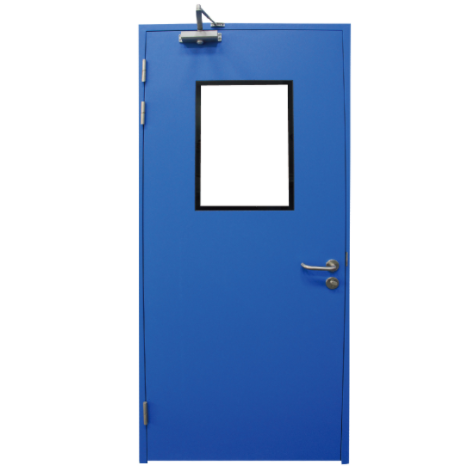
Introduction to Purification Door Systems
A purification door is designed to maintain environmental stability between different cleanliness zones. In industries where even microscopic contaminants can compromise product quality or research integrity, such doors act as the first line of defense. They are engineered to minimize air leakage, control pressure differentials, and ensure that external pollutants do not enter sensitive environments.
Modern purification doors, such as those developed by Jingda, integrate advanced sealing technology and durable materials to support long-term operational stability in demanding industrial conditions.
Why Cleanroom Entry Control Matters
Cleanrooms operate under strict contamination control standards. Every time a door opens, there is a potential risk of airborne particles entering the controlled environment. Without proper door systems, even the most advanced filtration systems can be compromised.
-
Reduces airborne particulate intrusion
-
Maintains pressure balance between zones
-
Prevents cross-contamination in sensitive processes
-
Enhances operational safety and compliance
For industries such as pharmaceuticals, biotechnology, and electronics manufacturing, maintaining cleanroom integrity is not optional—it is essential.
How a Purification Door Works
A purification door operates through a combination of mechanical sealing, controlled access systems, and pressure management. When closed, the door creates an airtight barrier that limits air exchange. Some advanced models integrate interlocking systems that prevent simultaneous opening of multiple doors in an airlock sequence.
Key operational principles include:
-
Air Pressure Differentials: Ensures airflow moves from cleaner to less clean zones.
-
Sealing Technology: High-density rubber or silicone gaskets prevent leakage.
-
Interlocking Systems: Controls entry sequence in controlled environments.
-
Automated Controls: Sensors and electronic locks enhance safety and efficiency.
Together, these mechanisms ensure that contamination risks are minimized during personnel or material transfer.
Key Structural and Functional Features
Purification doors are engineered with specialized materials and configurations to withstand frequent use while maintaining hygiene standards.
-
Stainless steel or powder-coated frames for corrosion resistance
-
Flush surface design to prevent dust accumulation
-
Tempered safety glass windows for visibility without contamination risk
-
Hermetic sealing strips for airtight closure
-
Automatic closing systems for consistent operation
Manufacturers like Jingda focus on precision engineering to ensure long-term reliability under high-frequency usage conditions.
Industrial Applications
Purification doors are widely used across industries that require strict environmental control.
-
Pharmaceutical manufacturing cleanrooms
-
Semiconductor and microelectronics production
-
Biotechnology laboratories
-
Medical device assembly plants
-
Food processing clean zones
In each of these environments, even minor contamination can lead to significant financial and operational losses, making controlled entry systems essential.
Performance Comparison Table
|
Feature
|
Standard Industrial Door
|
Purification Door
|
|
Air Tightness
|
Low
|
High-level sealing system
|
|
Contamination Control
|
Minimal
|
Advanced particle isolation
|
|
Material Quality
|
Basic steel or wood
|
Stainless steel / coated alloys
|
|
Automation Compatibility
|
Limited
|
Integrated sensors and interlocks
|
|
Application Scope
|
General use
|
Controlled environments
|
How to Choose the Right Purification Door
Selecting the appropriate purification door depends on environmental requirements, usage frequency, and industry compliance standards.
Key considerations include:
-
Required cleanliness classification (ISO standards)
-
Frequency of personnel or material flow
-
Pressure differential requirements
-
Durability of sealing materials
-
Integration with existing access control systems
For customized solutions, Jingda provides engineering support to align purification door systems with specific facility needs.
Maintenance and Operational Best Practices
Proper maintenance ensures long-term efficiency and reduces contamination risks. Even high-quality purification doors require periodic inspection and servicing.
-
Regular inspection of sealing strips for wear and tear
-
Cleaning with non-corrosive disinfectants
-
Testing of interlocking and sensor systems
-
Lubrication of mechanical hinges and moving parts
-
Calibration of automated closing mechanisms
Routine maintenance helps preserve both structural integrity and environmental control performance.
Frequently Asked Questions
Q1: What makes a purification door different from a standard industrial door?
A purification door is specifically designed to control airflow, reduce particle contamination, and maintain cleanroom standards, unlike standard doors which do not offer environmental sealing.
Q2: Can purification doors be customized?
Yes, manufacturers such as Jingda offer customization in size, material, automation level, and sealing performance based on facility requirements.
Q3: Are purification doors suitable for all cleanroom classes?
They are suitable for most ISO-classified cleanrooms when properly selected and installed according to environmental specifications.
Q4: How long does a purification door typically last?
With proper maintenance, high-quality purification doors can last many years even in high-traffic industrial environments.
Q5: Do purification doors require automation?
Automation is not mandatory but is highly recommended in high-level cleanrooms for improved efficiency and reduced contamination risk.
Conclusion and Contact Information
Purification doors play a vital role in maintaining controlled environments where cleanliness, safety, and process integrity are essential. From pressure regulation to contamination prevention, these systems provide a critical barrier that supports high-precision industries.
Choosing a reliable supplier is equally important. Jingda offers engineered purification door solutions designed for durability, compliance, and operational efficiency. Whether you are upgrading an existing cleanroom or designing a new facility, selecting the right entry system can significantly impact performance outcomes.
For professional consultation, system design support, or procurement assistance, contact us at Jingda today and take the next step toward optimizing your cleanroom environment.