

How Does a Light-Duty Swing Door Opener Improve Accessibility, Efficiency?
2025-12-09
A Light-Duty Swing Door Opener is engineered to enhance convenience and accessibility in residential, light-commercial, and small-facility environments. Designed for doors weighing less than standard high-capacity commercial entrances, this opener provides automated swing movement with reliable control, quiet operation, and high compatibility with various door types. Its primary purpose is to support barrier-free access, reduce manual effort, and enable safer passage for the elderly, individuals with disabilities, and high-traffic areas that require smooth circulation.
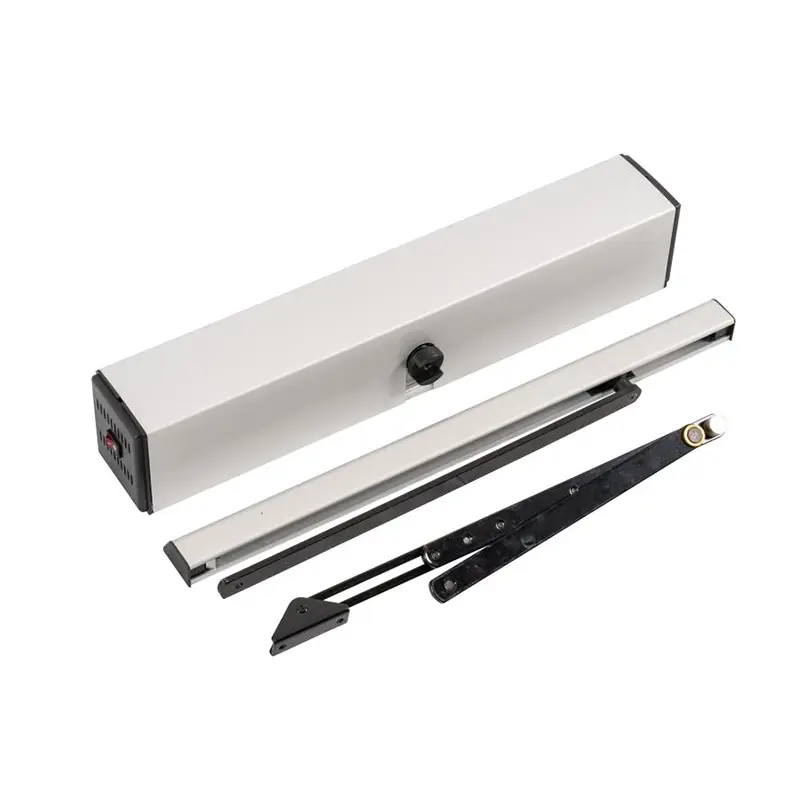
To present a clearer understanding of its capabilities, the following table highlights key specifications typical of premium light-duty models:
Light-Duty Swing Door Opener Technical Specifications
| Parameter | Description |
|---|---|
| Door Weight Capacity | Up to 120–150 kg depending on model |
| Opening Angle | Adjustable between 80°–120° |
| Opening/Closing Speed | 3–7 seconds (programmable) |
| Power Supply | AC 110–240V, 50/60Hz |
| Motor Type | Brushless DC motor for quiet, durable operation |
| Control Modes | Push-and-go, switch activation, remote control, sensor mode |
| Safety Features | Obstacle detection, auto-reverse, soft-start/soft-stop |
| Operating Noise Level | Under 50 dB |
| Backup Power | Optional battery pack for continued operation during power outages |
| Connectivity | Supports wired buttons, wireless remotes, smart modules |
These specifications emphasize how the product balances lightweight performance with dependable automation. As building accessibility requirements continue evolving, Light-Duty Swing Door Openers play a crucial role in shaping safer, easier, and more efficient door-access systems across homes, clinics, offices, and retail stores.
How Does a Light-Duty Swing Door Opener Improve Daily Efficiency and Accessibility?
A Light-Duty Swing Door Opener offers far more than automated movement. It strengthens user experience, optimizes building traffic, enhances security, and reduces maintenance demands. Understanding these advantages helps property owners and facility managers assess how this solution elevates access control standards.
How Does It Enhance Accessibility and Comfort?
Barrier-free access is essential in modern architecture. The Light-Duty Swing Door Opener simplifies entry for seniors, people with mobility limitations, and children. Instead of manually pushing a heavy door, users can rely on seamless, automated swing movement initiated through sensors, switches, or remote commands.
Key accessibility highlights include:
-
Smooth motion with soft-start/soft-stop to prevent abrupt movements.
-
Push-and-go activation, enabling a gentle touch to trigger full door opening.
-
Wide-angle swing capabilities, ensuring wheelchairs, walkers, and strollers pass through effortlessly.
These features promote a safer environment by lowering the risk of falls, collisions, and sudden door impacts.
How Does It Improve Operational Efficiency?
In facilities with steady but moderate foot traffic, efficiency matters. A Light-Duty Swing Door Opener reduces bottlenecks, supports consistent movement patterns, and minimizes the manual labor required for opening and closing doors. This translates into:
-
Faster access during peak times.
-
Improved workflow in small offices, boutique shops, and clinics.
-
Reduced wear on hinges and door frames due to controlled, regulated movement.
-
Lower long-term repair costs because the opener reduces door strain.
Property managers appreciate how these openers streamline circulation and maintain steady traffic flow without requiring heavy commercial mechanisms.
How Does It Improve Safety and User Protection?
Safety is foundational in door automation. Light-Duty Swing Door Openers are designed with multiple layers of protection such as:
-
Obstacle detection, which identifies any obstruction in the door path.
-
Auto-reverse technology, immediately reversing movement if resistance is sensed.
-
Adjustable closing speed, preventing doors from shutting too quickly.
-
Secure hold-open modes, keeping doors open during emergencies or high-traffic moments.
These safeguards minimize accidents and ensure compliance with accessibility and safety standards.
How Does It Reduce Noise and Disturbance?
Quiet performance is a crucial benefit in residential areas, hospitals, libraries, and offices. Brushless motors and precision control systems keep operational sounds low, typically under 50 dB. This allows the opener to function smoothly without disturbing occupants or creating unnecessary distractions.
How Does It Expand Control Options?
Modern Light-Duty Swing Door Openers support multiple control modes:
-
Wall push buttons
-
Remote controls
-
Wireless receivers
-
Keypad or card-access devices
-
Motion or touch-free sensors
Flexibility ensures compatibility with diverse building layouts and user needs, allowing tailored control systems for convenience and safety.
How Does a Light-Duty Swing Door Opener Deliver Reliable Automatic Performance?
The performance of a Light-Duty Swing Door Opener depends on its mechanical structure, motor system, control electronics, and installation adaptability. Each component contributes to long-term reliability and smooth door movement.
How Does the Motor System Enhance Durability?
Brushless DC motors are preferred because they:
-
Deliver powerful yet stable torque
-
Operate with minimal noise
-
Reduce friction and heat buildup
-
Offer long service life due to fewer mechanical parts
A high-performance motor ensures that even with frequent cycles, the opener operates efficiently with minimal maintenance.
How Does the Control Board Optimize Functionality?
Advanced microprocessor-based controllers allow:
-
Customizable speed settings
-
Opening delay adjustments
-
Automatic closing time configuration
-
Push-and-go sensitivity tuning
-
Safe obstacle detection
These settings help installers fine-tune the opener to meet building needs, ensuring optimal movement, safety, and accessibility.
How Does the Mechanical Arm Support Smooth Swing Motion?
A robust arm mechanism distributes force evenly across the door, maintaining balance and stability. High-quality materials—such as reinforced steel and aluminum—provide strength while keeping the system lightweight. This ensures that the door swings smoothly without jerks or vibration.
How Does It Support Smart Building Integration?
Many Light-Duty Swing Door Openers can integrate with:
-
Smart home hubs
-
Building automation systems
-
Access control networks
Adding modules enables remote monitoring, scheduled opening, advanced security checks, and integration into energy-efficiency systems.
How Will Light-Duty Swing Door Openers Evolve with Smart Living and Automation?
Technological progress continues pushing automatic door systems toward greater intelligence, efficiency, and user-experience optimization. Several trends are emerging within the Light-Duty Swing Door Opener market.
How Will Smart Automation Shape the Future?
Future openers will incorporate deeper smart-home and building management integrations, offering:
-
Predictive door movement based on user patterns
-
App-based control and diagnostics
-
Cloud-linked maintenance alerts
-
AI-driven sensor accuracy for optimized safety
-
Enhanced energy-saving modes
These capabilities support safer, more connected buildings.
How Will Sustainability Influence Product Development?
Energy efficiency and eco-friendly materials are becoming priorities. Manufacturers are expected to offer:
-
Lower-power motors
-
Recyclable chassis components
-
Intelligent energy-saving timers
-
Solar-ready power modules
Sustainable solutions align with global green-building standards.
How Will Accessibility Requirements Evolve?
Many countries continue strengthening accessibility laws. As regulations tighten, Light-Duty Swing Door Openers will play a larger role in:
-
Residential aging-in-place strategies
-
Public accessibility compliance
-
Medical-facility mobility support
-
Inclusive architectural design
These changes will increase market adoption and innovation.
Frequently Asked Questions
Q1: How difficult is installation for a Light-Duty Swing Door Opener?
A Light-Duty Swing Door Opener is designed for straightforward installation when performed by a trained technician. It requires accurate door measurements, proper positioning of the mechanical arm, secure wall or frame mounting, and electrical connection to a stable power source. After installation, the technician adjusts speed, sensitivity, and opening angles to ensure smooth performance. When installed correctly, these openers work reliably with minimal maintenance.
Q2: How long can a Light-Duty Swing Door Opener last under normal usage?
Most high-quality light-duty openers last more than 8–12 years depending on the motor quality, daily usage frequency, environmental conditions, and maintenance frequency. Brushless DC motors significantly extend lifespan because they produce less friction and heat. Regular inspections—such as tightening mounting hardware and checking control settings—help maintain optimal long-term performance.
How Does VEZE Contribute to the Advancement of Light-Duty Swing Door Automation?
Light-Duty Swing Door Openers are transforming how residential and small commercial buildings approach accessibility, convenience, and controlled movement. With customizable settings, silent operation, strong safety systems, and increasing integration with smart-control technologies, these openers support modern lifestyle requirements and help create more inclusive environments.
Manufacturers like VEZE continue driving innovation by developing dependable, user-friendly solutions that combine advanced motor technology, intelligent safety functions, and durable construction. VEZE emphasizes product quality, accessibility design, and long-term reliability, offering trusted swing-door solutions for both homes and light-commercial spaces.
For customized assistance, product consultation, or technical support tailored to your building’s needs, contact us to learn more about how VEZE can support your accessibility and automation goals