

How Do Thermal Break Windows Improve Energy Efficiency and Comfort?
2026-04-21
Abstract
Thermal break windows are a modern architectural solution designed to reduce heat transfer between interior and exterior environments. By incorporating insulating materials within the window frame, they significantly enhance energy efficiency, reduce condensation, and improve indoor comfort. This article explores how thermal break windows function, their benefits, and why they are increasingly preferred in residential and commercial construction.
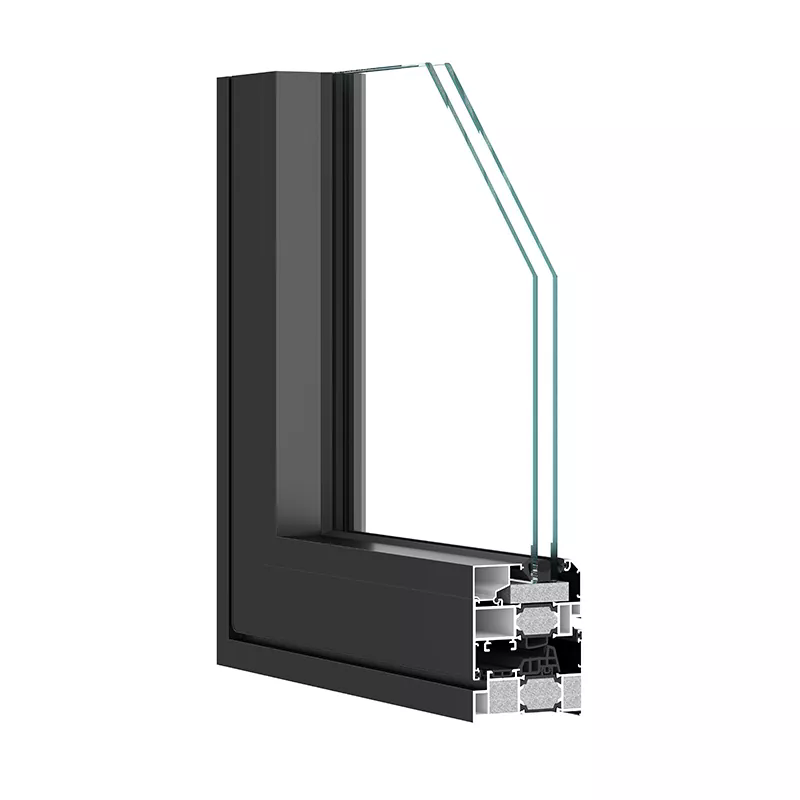
Table of Contents
- 1. What Are Thermal Break Windows?
- 2. How Do Thermal Break Windows Work?
- 3. Key Benefits of Thermal Break Windows
- 4. Comparison with Traditional Windows
- 5. Common Applications
- 6. How to Choose the Right Thermal Break Windows
- 7. Installation and Maintenance Tips
- 8. FAQs
1. What Are Thermal Break Windows?
Thermal break windows are specially engineered window systems that include a non-conductive material—typically polyamide—inserted between the inner and outer aluminum frames. This “break” interrupts the thermal bridge, significantly reducing heat transfer.
Unlike standard aluminum windows, which are highly conductive, thermal break windows provide insulation without sacrificing structural strength. This makes them ideal for environments where both durability and energy efficiency are required.
2. How Do Thermal Break Windows Work?
The working principle of thermal break windows lies in minimizing thermal conductivity. Aluminum, while strong and lightweight, conducts heat easily. The thermal break acts as a barrier that separates the interior and exterior aluminum profiles.
- Prevents heat loss in winter
- Reduces heat gain in summer
- Maintains stable indoor temperatures
By interrupting the heat flow path, these windows enhance insulation performance and reduce reliance on heating and cooling systems.
3. Key Benefits of Thermal Break Windows
- Energy Efficiency: Lower energy consumption due to improved insulation
- Condensation Resistance: Reduced moisture buildup on frames
- Noise Reduction: Better sound insulation compared to traditional windows
- Durability: Maintains aluminum’s strength while improving performance
- Comfort: More consistent indoor temperatures
These advantages directly address common customer pain points such as high energy bills, uncomfortable indoor environments, and condensation-related damage.
4. Comparison with Traditional Windows
| Feature | Traditional Aluminum Windows | Thermal Break Windows |
|---|---|---|
| Thermal Insulation | Poor | Excellent |
| Energy Efficiency | Low | High |
| Condensation Resistance | Weak | Strong |
| Cost | Lower upfront | Higher initial, lower long-term |
Although thermal break windows may require a higher initial investment, their long-term savings and performance benefits make them a cost-effective choice.
5. Common Applications
- Residential homes in extreme climates
- Commercial office buildings
- High-rise apartments
- Hotels and resorts
- Industrial facilities requiring temperature control
Their versatility makes them suitable for both new construction and renovation projects.
6. How to Choose the Right Thermal Break Windows
Selecting the right thermal break windows involves several key considerations:
- Material Quality: Ensure high-grade aluminum and insulation strips
- Glass Type: Double or triple glazing for better performance
- Sealing System: High-quality seals prevent air leakage
- Certification: Look for tested and certified products
For reliable and high-performance solutions, exploring professional manufacturers like Duoping can help ensure quality and long-term value.
7. Installation and Maintenance Tips
Proper installation is critical to achieving optimal performance. Even the best thermal break windows can underperform if installed incorrectly.
- Hire experienced professionals for installation
- Ensure airtight sealing around frames
- Regularly clean frames and glass surfaces
- Inspect seals and insulation periodically
Routine maintenance ensures longevity and consistent efficiency over time.
8. FAQs
Q1: Are thermal break windows worth the investment?
Yes, they reduce energy costs and improve comfort, offering long-term savings.
Q2: Do they work in hot climates?
Absolutely. They prevent heat from entering, keeping interiors cooler.
Q3: Can they reduce noise?
Yes, especially when combined with double or triple glazing.
Q4: How long do thermal break windows last?
With proper maintenance, they can last decades while maintaining performance.
Conclusion
Thermal break windows represent a significant advancement in window technology, offering enhanced insulation, energy efficiency, and comfort. Whether for residential or commercial use, they effectively solve common issues associated with traditional window systems.
If you are looking for reliable, high-quality thermal break window solutions, Duoping provides advanced products tailored to meet modern construction needs—contact us today to discover how we can help improve your project’s performance and efficiency.