Article Summary
Thermal break windows are engineered to reduce heat transfer between indoor and outdoor environments, significantly improving energy efficiency, indoor comfort, and long-term cost savings. This article explains how they work, why they matter for modern buildings, and how they compare to traditional window systems. It also explores key buying considerations, performance benefits, and real-world applications, helping homeowners, architects, and contractors make informed decisions.
Article Outline
-
Introduction to thermal break window systems
-
Scientific principle behind thermal insulation barriers
-
Energy-saving performance analysis
-
Comparison with aluminum and PVC windows
-
Best use cases in residential and commercial buildings
-
Cost-benefit evaluation
-
Common installation mistakes to avoid
What Are Thermal Break Windows?
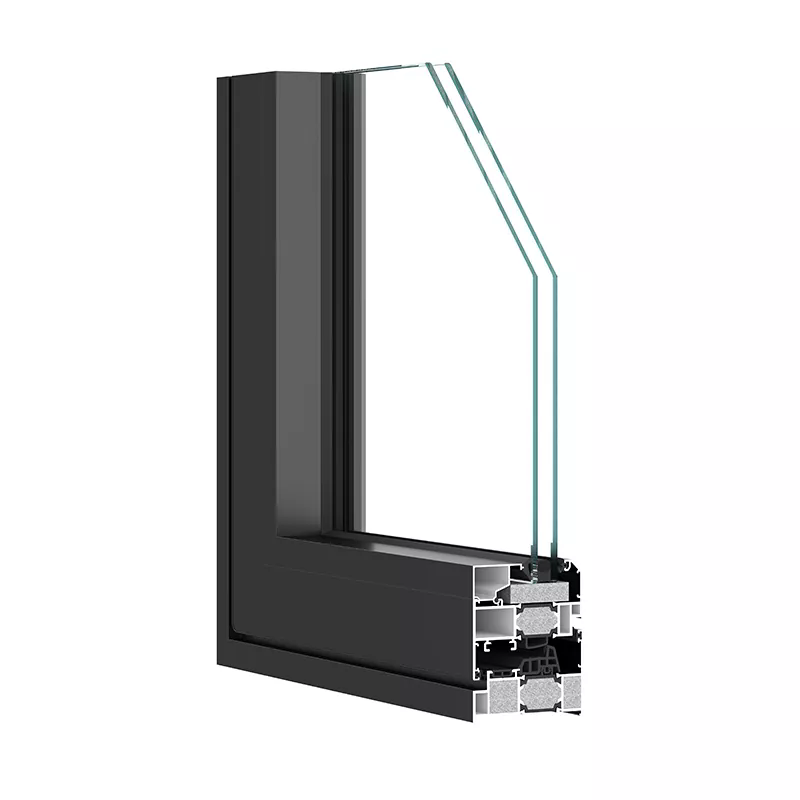
Thermal break windows are advanced window systems designed with a non-conductive barrier placed between the interior and exterior aluminum frames. This barrier “breaks” the thermal bridge, preventing heat or cold from easily transferring through the metal frame.
Traditional aluminum windows are strong but highly conductive, meaning they easily transmit outdoor temperatures indoors. Thermal break systems solve this problem by inserting insulating materials such as polyamide strips between the aluminum profiles.
The result is a window system that maintains structural strength while dramatically improving insulation performance, making it ideal for both hot and cold climates.
How Thermal Break Technology Works
The core principle behind thermal break technology is simple: interrupt the path of heat conduction. Aluminum is an excellent conductor of heat, which is why standard frames often lead to energy loss.
Thermal break windows introduce a low-conductivity material between inner and outer metal frames, forming a physical and thermal barrier.
-
Outer aluminum frame exposed to outdoor conditions
-
Inner aluminum frame connected to indoor environment
-
Polyamide or insulating strip separating both frames
-
Multi-chamber glazing for additional insulation
This structure significantly reduces heat transfer, improving energy efficiency year-round.
Key Benefits of Thermal Break Windows
Thermal break windows offer multiple performance advantages that directly address common homeowner and building operator pain points such as energy waste, condensation, and poor indoor comfort.
-
Energy Efficiency: Reduces heating and cooling losses, lowering utility bills.
-
Condensation Control: Minimizes moisture buildup on window surfaces.
-
Sound Insulation: Improves acoustic comfort in noisy environments.
-
Structural Strength: Maintains durability of aluminum frames.
-
Comfort Stability: Keeps indoor temperatures more consistent.
These benefits make thermal break systems a preferred choice in modern green building designs.
Thermal Break vs Traditional Windows
|
Feature
|
Traditional Aluminum Windows
|
Thermal Break Windows
|
|
Heat Insulation
|
Poor
|
Excellent
|
|
Energy Efficiency
|
Low
|
High
|
|
Condensation Resistance
|
Weak
|
Strong
|
|
Initial Cost
|
Lower
|
Moderate to Higher
|
|
Long-term Savings
|
Limited
|
Significant
|
While thermal break windows may require higher initial investment, the long-term energy savings and comfort improvements make them significantly more cost-effective over time.
Applications in Modern Buildings
Thermal break windows are widely used in both residential and commercial construction due to their versatility and performance advantages.
-
High-rise residential apartments
-
Luxury villas and homes
-
Office buildings and corporate spaces
-
Hospitals and healthcare facilities
-
Educational institutions
In regions with extreme weather conditions, such as hot summers or cold winters, these systems are particularly valuable for maintaining indoor stability.
Buying & Installation Considerations
Choosing the right thermal break window system requires attention to several technical and practical factors.
-
Frame Material Quality: Ensure high-grade aluminum is used.
-
Thermal Break Material: Polyamide strips are preferred for durability.
-
Glass Type: Double or triple glazing improves performance.
-
Sealing System: Proper sealing prevents air leakage.
-
Professional Installation: Incorrect installation reduces efficiency.
Companies like Duoping provide engineered solutions designed to meet modern building performance requirements while maintaining structural reliability.
Maintenance and Longevity
Thermal break windows require minimal maintenance compared to other window systems. However, routine care ensures optimal long-term performance.
-
Clean frames and glass regularly with mild detergent
-
Inspect seals annually for wear or damage
-
Ensure drainage channels remain unobstructed
-
Avoid abrasive cleaning materials
With proper maintenance, thermal break windows can last decades while maintaining their insulating performance.
Frequently Asked Questions
Q1: Are thermal break windows worth the investment?
Yes. They significantly reduce energy consumption, leading to long-term savings and improved indoor comfort.
Q2: Do they work in hot climates?
Absolutely. They reduce heat gain, keeping interiors cooler and reducing air conditioning load.
Q3: Can thermal break windows reduce noise?
Yes. The multi-layer structure helps block external sound effectively.
Q4: How long do they last?
Typically 20–40 years depending on material quality and maintenance.
Q5: Are they better than PVC windows?
They offer higher structural strength and durability while maintaining excellent insulation performance.
Conclusion
Thermal break windows represent a significant advancement in building envelope technology, offering a balanced combination of durability, insulation, and energy efficiency. They address common issues such as heat loss, condensation, and rising energy costs while improving overall indoor comfort.
For developers, contractors, and homeowners seeking long-term performance and sustainability, investing in high-quality systems from manufacturers like Duoping ensures reliable results and measurable benefits across the building lifecycle.
If you are planning to upgrade your building efficiency or explore customized window solutions, Duoping is ready to support your project with advanced engineering and professional service. Contact us today to learn more about thermal break window systems tailored to your needs.