

How Do Thermal Break Windows Enhance Energy Efficiency and Indoor Comfort?
2026-03-24
Article Summary
Thermal break windows are engineered to significantly reduce heat transfer between indoor and outdoor environments. By incorporating an insulating barrier within the frame, these windows solve common issues such as energy loss, condensation, and temperature instability. This article provides a structured explanation of how thermal break windows function, their key advantages, technical parameters, and practical selection strategies to help customers make informed purchasing decisions.
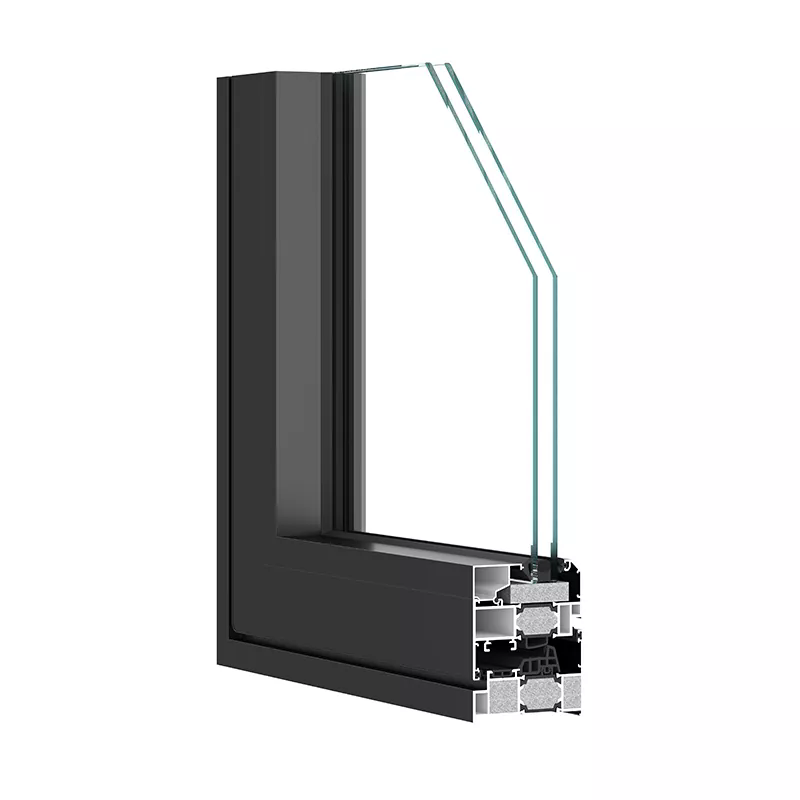
Table of Contents
- 1. What Are Thermal Break Windows?
- 2. How Do Thermal Break Windows Work?
- 3. Common Customer Pain Points
- 4. Key Features and Technical Parameters
- 5. Benefits of Thermal Break Windows
- 6. How to Choose the Right Thermal Break Windows
- 7. Installation and Maintenance Guidelines
- 8. Frequently Asked Questions
- 9. Conclusion
1. What Are Thermal Break Windows?
Thermal break windows are advanced window systems designed with an insulating material embedded within the frame, typically between the inner and outer aluminum sections. This “thermal break” interrupts the direct transfer of heat or cold, improving insulation performance compared to traditional aluminum windows.
Unlike standard metal frames that conduct heat easily, thermal break windows use materials such as polyamide strips to create a barrier. This design minimizes thermal bridging and enhances overall building energy efficiency.
2. How Do Thermal Break Windows Work?
The core principle behind thermal break windows is reducing heat conduction through the window frame. Aluminum is a highly conductive material, which means it can easily transfer heat. By inserting a non-conductive barrier, the heat flow is effectively interrupted.
- Inner and outer aluminum profiles are separated
- An insulating strip connects the profiles structurally
- Heat transfer is slowed significantly
- Indoor temperature remains stable
In addition, when paired with double or triple glazing, thermal break windows create a multi-layer insulation system that further enhances performance.
3. Common Customer Pain Points
Many customers experience recurring issues with conventional windows. Thermal break windows are specifically designed to address these challenges:
- High Energy Bills: Poor insulation leads to excessive heating and cooling costs
- Condensation Problems: Temperature differences cause moisture buildup
- Uncomfortable Indoor Climate: Heat loss in winter and heat gain in summer
- Noise Pollution: Insufficient sound insulation from outside
- Frame Deformation: Thermal expansion affects durability
By solving these pain points, thermal break windows provide a long-term, cost-effective solution.
4. Key Features and Technical Parameters
| Parameter | Description |
| Frame Material | Aluminum with thermal break (polyamide strip) |
| Glass Type | Double or triple glazing |
| Thermal Insulation Value | Low U-value for high efficiency |
| Sound Insulation | Reduces external noise effectively |
| Sealing System | Multi-layer sealing strips |
| Surface Treatment | Powder coating or anodizing |
| Application | Residential, commercial, high-rise buildings |
Products developed by Duoping focus on high-precision manufacturing and durable materials, ensuring consistent performance in diverse climates.
5. Benefits of Thermal Break Windows
Thermal break windows offer a wide range of advantages that directly impact comfort, efficiency, and long-term value.
- Energy Efficiency: Reduces heat transfer and lowers utility costs
- Improved Comfort: Maintains stable indoor temperatures
- Condensation Prevention: Minimizes moisture buildup
- Noise Reduction: Enhances acoustic insulation
- Durability: Resistant to weather and thermal stress
- Environmental Benefits: Reduces overall energy consumption
These benefits make thermal break windows an essential component for modern building design.
6. How to Choose the Right Thermal Break Windows
Selecting the appropriate window system requires careful evaluation of multiple factors:
- Climate Conditions: Choose higher insulation levels for extreme climates
- Glass Configuration: Double vs. triple glazing
- Frame Thickness: Thicker frames provide better insulation
- Sealing Performance: Look for multi-layer sealing systems
- Installation Quality: Proper installation ensures optimal performance
Working with a reliable manufacturer ensures that all components meet performance and durability standards.
7. Installation and Maintenance Guidelines
Proper installation is critical for maximizing the benefits of thermal break windows.
- Ensure accurate measurements before installation
- Use professional sealing materials
- Check alignment and structural stability
- Clean frames and glass regularly
- Inspect seals periodically for wear
Routine maintenance extends the lifespan and maintains energy efficiency over time.
8. Frequently Asked Questions
Q1: Are thermal break windows worth the investment?
Yes. Although the initial cost may be higher, the long-term energy savings and improved comfort make them a cost-effective choice.
Q2: Do thermal break windows reduce noise?
Yes. When combined with insulated glass, they provide excellent sound insulation, making indoor environments quieter.
Q3: Can thermal break windows prevent condensation?
They significantly reduce condensation by maintaining a more consistent surface temperature on the interior side of the frame.
Q4: Are they suitable for all climates?
Yes. Thermal break windows perform well in both hot and cold climates by minimizing heat transfer.
9. Conclusion
Thermal break windows represent a modern solution for improving building performance, reducing energy consumption, and enhancing indoor comfort. By addressing common issues such as heat loss, condensation, and noise, they provide both functional and economic advantages.
Duoping offers reliable and high-performance thermal break window solutions tailored to meet diverse architectural and environmental requirements.
If you are planning to upgrade your building with energy-efficient window systems, contact us today to discover customized solutions and professional support that align with your project needs.