

How Do Steel Fire Doors Improve Building Safety and Compliance?
2026-03-19
Article Summary
Steel fire doors play a critical role in modern building safety systems by preventing the spread of fire, smoke, and toxic gases. This article explains how steel fire doors function, their structural advantages, and how to select the right specifications for different environments. It also addresses common customer concerns such as durability, certification standards, installation requirements, and long-term maintenance. A structured guide, product parameter table, and practical are included to help decision-makers make informed choices.
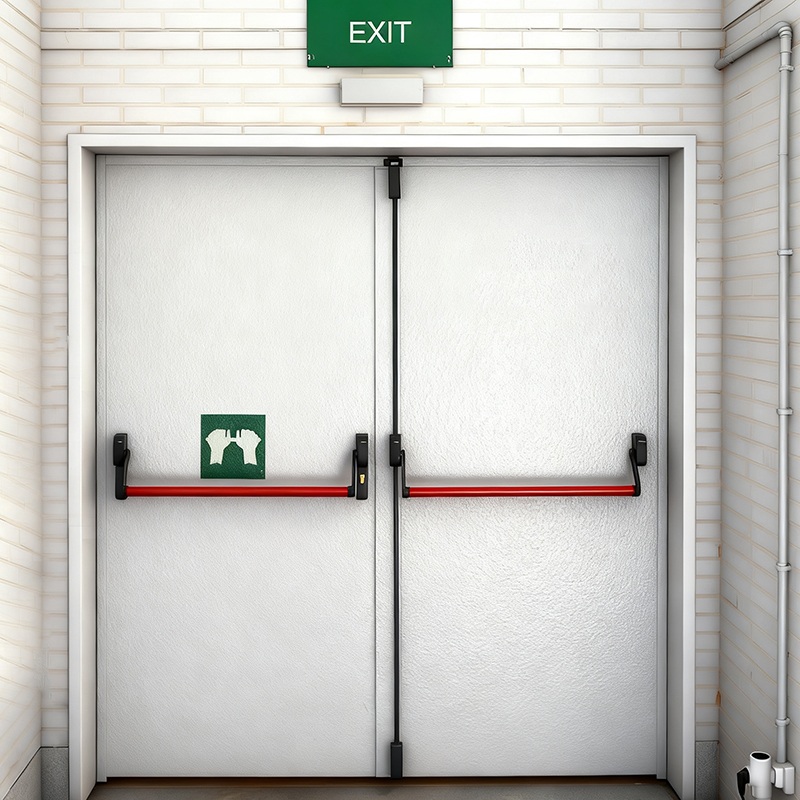
Table of Contents
- Introduction to Steel Fire Doors
- How Steel Fire Doors Work
- Key Features and Advantages
- Common Customer Pain Points and Solutions
- Product Parameters and Technical Specifications
- Application Scenarios
- Selection Guide
- Maintenance and Inspection
- FAQ
- Conclusion
Introduction to Steel Fire Doors
Fire safety is a fundamental requirement in both residential and commercial construction. Steel fire doors are engineered to act as passive fire protection systems, forming a barrier that slows or prevents the spread of fire between compartments within a building.
Unlike traditional wooden or glass doors, steel fire doors are constructed using high-strength steel sheets combined with fire-resistant core materials. These doors are designed to withstand extreme temperatures for a specified period, providing occupants with critical time for evacuation and allowing emergency responders to control the situation effectively.
How Steel Fire Doors Work
Steel fire doors operate based on compartmentalization principles. When a fire occurs, the door system performs several essential functions:
- Fire Resistance: The door structure resists heat and flames for a rated duration (e.g., 60, 90, or 120 minutes).
- Smoke Sealing: Intumescent seals expand when exposed to heat, closing gaps and blocking smoke infiltration.
- Structural Integrity: Reinforced steel prevents warping, cracking, or collapse under high temperatures.
- Thermal Insulation: Core materials reduce heat transfer to the non-fire side.
These combined mechanisms ensure that fire spread is controlled, minimizing damage and protecting human life.
Key Features and Advantages
- High Durability: Steel construction ensures resistance to impact, corrosion, and long-term wear.
- Fire Certification: Tested and certified to meet international fire safety standards.
- Customizable Design: Available in various sizes, finishes, and configurations.
- Security Enhancement: Provides both fire protection and anti-intrusion performance.
- Low Maintenance: Requires minimal upkeep compared to other fire-rated materials.
Common Customer Pain Points and Solutions
| Pain Point | Explanation | Solution |
|---|---|---|
| Uncertain Fire Ratings | Customers are unsure which fire rating is required | Consult local building codes and choose certified doors with verified test reports |
| Installation Complexity | Improper installation reduces effectiveness | Use professional installers and follow manufacturer guidelines |
| Cost Concerns | Perception of high upfront investment | Consider lifecycle cost savings due to durability and safety benefits |
| Aesthetic Limitations | Concern about industrial appearance | Opt for powder-coated or decorative finishes |
| Maintenance Issues | Fear of frequent repairs | Choose high-quality materials and schedule periodic inspections |
Product Parameters and Technical Specifications
| Parameter | Description |
|---|---|
| Material | Galvanized steel or cold-rolled steel |
| Door Thickness | Typically 50mm – 70mm |
| Fire Rating | 30 / 60 / 90 / 120 minutes |
| Core Material | Honeycomb paper, mineral wool, or fire-resistant board |
| Surface Finish | Powder coating, paint, or wood grain finish |
| Hardware | Fire-rated hinges, locks, closers, panic bars |
| Sealing System | Intumescent and smoke seals |
| Standard Compliance | EN, UL, or local fire safety standards |
Application Scenarios
- Commercial buildings such as offices and shopping centers
- Industrial facilities and warehouses
- Hospitals and healthcare centers
- Residential apartments and high-rise buildings
- Educational institutions
Each environment requires specific fire ratings and configurations based on risk levels and occupancy.
Selection Guide
Choosing the right steel fire door involves evaluating several factors:
- Fire Rating Requirement: Determine the required resistance time based on building codes.
- Door Size and Configuration: Single or double leaf, with or without vision panels.
- Environmental Conditions: Consider humidity, corrosion exposure, and usage frequency.
- Hardware Compatibility: Ensure all components are fire-rated and compatible.
- Certification: Verify that the product has valid fire test certification.
Working with a reliable manufacturer ensures compliance and long-term performance.
Maintenance and Inspection
Regular maintenance is essential to ensure continued performance:
- Inspect seals for damage or wear
- Check door alignment and closing mechanism
- Ensure hinges and locks function properly
- Replace damaged components immediately
Routine inspections help maintain safety standards and extend product lifespan.
FAQ
Q1: What is the difference between a fire door and a regular steel door?
A fire door is specifically tested and certified to resist fire and smoke for a certain period, while a regular steel door does not meet these safety standards.
Q2: Can steel fire doors be customized?
Yes, they can be customized in terms of size, color, finish, and hardware to meet both functional and aesthetic requirements.
Q3: How often should fire doors be inspected?
It is recommended to inspect fire doors at least once every six months or according to local safety regulations.
Q4: Do steel fire doors require special installation?
Yes, proper installation is critical. Incorrect installation can compromise fire resistance performance.
Conclusion
Steel fire doors are a vital component in modern building safety systems, offering reliable protection against fire hazards while enhancing structural security. Their durability, compliance with safety standards, and adaptability make them an essential investment for any property.
Gaomi Haizhu Door Industry Co., Ltd. specializes in manufacturing high-quality steel fire doors designed to meet diverse application needs. With a focus on precision engineering and strict quality control, the company provides dependable solutions for global customers.
If you are looking for durable, certified, and customizable steel fire doors, now is the right time to upgrade your building safety system. Contact us to get professional guidance, detailed product information, and competitive pricing tailored to your project requirements.