

How Do Sliding Windows Work in Residential and Commercial Buildings?
2025-12-25
Article Abstract
Sliding windows are widely applied in residential, commercial, and mixed-use buildings due to their space-efficient opening mechanism and adaptability to various architectural styles. This article provides a comprehensive explanation of how sliding windows function, how their structural systems are designed, and how key parameters influence performance.
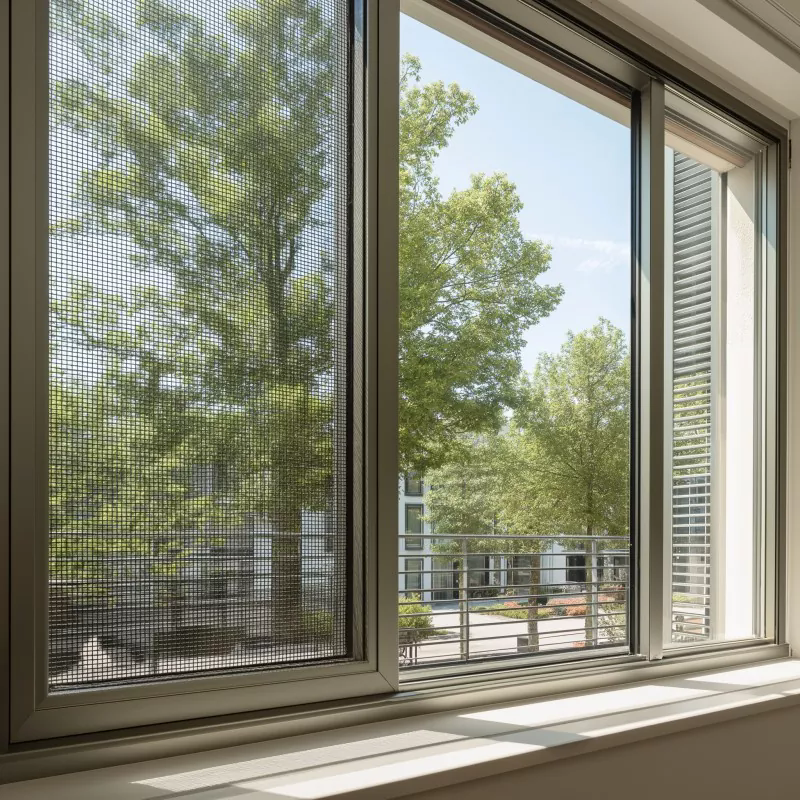
Table of Contents
- How Are Sliding Windows Structurally Designed?
- How Do Sliding Window Parameters Affect Performance?
- How Are Sliding Windows Applied Across Different Building Types?
- How Should Sliding Windows Be Evaluated for Long-Term Use?
Outline
- General introduction to sliding windows and core working principles
- Detailed explanation of system components and technical parameters
- Application scenarios and installation considerations
- Frequently asked questions in practical usage
- Brand reference and contact guidance
How Are Sliding Windows Structurally Designed?
Sliding windows are window systems in which one or more panels move horizontally along a track. Instead of opening inward or outward, the sash glides parallel to the window frame. This design allows for controlled ventilation and visibility while minimizing space occupation. The core objective of sliding window systems is to balance structural stability, smooth operation, and environmental sealing within a compact form factor.
A standard sliding window system consists of several integrated components: the frame, sliding sash, roller mechanism, track rail, locking hardware, and glazing unit. Each component contributes to overall operational reliability and service life. The frame is commonly manufactured from aluminum alloy, uPVC, or steel-reinforced composite profiles, engineered to support repeated horizontal motion without deformation.
The sliding sash is mounted on rollers that travel along the track. These rollers are typically fabricated from stainless steel or reinforced polymer, designed to bear the combined weight of the sash and glass. Precision in roller alignment directly affects noise control, friction resistance, and long-term usability.
Tracks are engineered with drainage channels and debris-control grooves to maintain smooth movement under varying environmental conditions. In high-humidity or coastal regions, track design becomes particularly important for corrosion resistance and water management.
How Do Sliding Window Parameters Affect Performance?
Technical parameters determine how sliding windows perform in real-world conditions. These parameters influence insulation, durability, acoustic control, and user safety. The following table summarizes key specifications commonly referenced in professional procurement and project planning.
| Parameter | Typical Range | Technical Significance |
|---|---|---|
| Frame Material | Aluminum / uPVC / Composite | Defines structural strength and corrosion resistance |
| Profile Thickness | 1.2–2.0 mm (Aluminum) | Affects load-bearing capacity and stability |
| Glass Type | Single / Double / Tempered | Impacts thermal and acoustic insulation |
| Maximum Panel Width | 600–1800 mm | Determines opening size and visual span |
| Roller Load Capacity | 40–150 kg | Ensures smooth sliding under repeated use |
| Air Tightness | Class 2–4 | Controls air infiltration and comfort level |
Proper alignment of these parameters allows sliding windows to meet diverse building codes and environmental demands. For example, thicker profiles and double-glazed units are often specified in commercial buildings to manage sound transmission and thermal performance, while residential projects may prioritize ease of operation and maintenance.
How Are Sliding Windows Applied Across Different Building Types?
Sliding windows are commonly installed in apartments, office buildings, hotels, and educational facilities. Their horizontal operation is especially suitable for spaces where outward opening could interfere with walkways or furniture layouts. In high-rise buildings, sliding systems are often combined with restrictors to comply with safety regulations.
In residential environments, sliding windows are frequently used in living rooms, kitchens, and balconies. Their ability to support large glass panels enhances natural lighting while maintaining controlled airflow. In commercial settings, sliding windows contribute to standardized façade designs and simplified maintenance routines.
Installation accuracy is critical to ensure performance. Frame squareness, track leveling, and roller calibration must be carefully managed during installation to prevent uneven wear and operational resistance over time.
How Should Sliding Windows Be Evaluated for Long-Term Use?
Evaluating sliding windows requires consideration of lifecycle factors rather than initial specifications alone. Maintenance access, replacement part availability, and adaptability to future renovations all influence long-term value. Surface treatments such as anodizing or powder coating enhance resistance to environmental exposure, particularly in urban or coastal regions.
Quality assurance standards and compliance testing provide additional confidence. Wind load resistance, water penetration resistance, and repetitive operation testing are commonly referenced benchmarks in professional assessments.
Common Questions About Sliding Windows
How do sliding windows maintain smooth operation over time?
Smooth operation depends on roller quality, proper load distribution, and regular track cleaning. High-capacity rollers and debris-resistant tracks significantly reduce friction and wear.
How can sliding windows improve indoor comfort?
By integrating appropriate glazing and sealing systems, sliding windows regulate airflow, limit noise intrusion, and support stable indoor temperature conditions.
How are sliding windows adapted for safety requirements?
Safety adaptations include tempered glass, multi-point locking systems, and opening limiters, which are particularly relevant in multi-story buildings.
Conclusion and Brand Reference
Sliding windows continue to play a critical role in contemporary building design due to their functional adaptability and structural efficiency. Through careful parameter selection and system evaluation, these window solutions can align with diverse architectural and regulatory requirements. Within this context, Euplai has established a reputation for delivering sliding window systems developed with consistent engineering standards and application-oriented design principles.
For project consultations, technical documentation, or specification alignment, interested parties are encouraged to contact us to discuss customized sliding window solutions and professional support services.