

Article Summary: Sliding windows have become a preferred solution for modern buildings due to their space-saving design, smooth operation, and excellent ventilation performance. This article explains how sliding windows address common concerns such as limited space, energy efficiency, maintenance, and long-term durability, while providing practical guidance for selection and application.
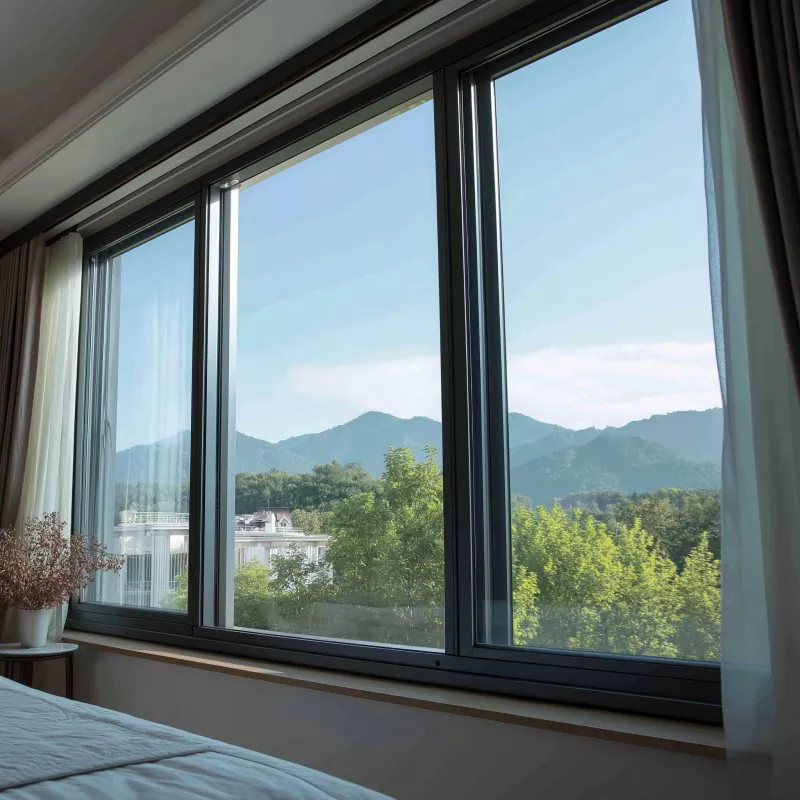
Table of Contents
- Overview of Sliding Windows
- Common Problems in Traditional Window Systems
- Key Advantages of Sliding Windows
- Technical Specifications and Configuration Options
- Residential and Commercial Applications
- Frequently Asked Questions
- Conclusion and Contact Us
Overview of Sliding Windows
Sliding windows are window systems that open horizontally along a track. Unlike hinged windows, the panels glide smoothly from side to side, making them ideal for areas where space efficiency and ease of operation are essential. Their clean lines and minimalist appearance allow them to integrate seamlessly into both contemporary and traditional architectural designs.
Modern sliding windows are engineered with precision frames, advanced sealing systems, and durable rollers. These features ensure reliable performance, improved insulation, and long-term structural stability in various climate conditions.
Common Problems in Traditional Window Systems
Many building owners experience recurring issues with conventional window designs. Sliding windows are developed to address these challenges effectively:
- Limited usable space caused by inward or outward opening sashes
- Restricted airflow due to narrow opening angles
- Difficulty in operation after long-term use
- Inconsistent sealing leading to air and water leakage
- High maintenance requirements and frequent hardware replacement
By eliminating rotational movement and reducing mechanical stress points, sliding windows provide a more stable and user-friendly solution.
Key Advantages of Sliding Windows
Sliding windows deliver practical benefits that directly respond to user needs in modern construction projects:
- Space Efficiency: Horizontal operation avoids interference with interior or exterior areas.
- Smooth Operation: High-quality rollers ensure effortless opening and closing.
- Improved Ventilation: Wide openings enhance air circulation and indoor comfort.
- Stable Structure: Reinforced frames support large glass panels without deformation.
- Low Maintenance: Simple track systems reduce wear and simplify cleaning.
These advantages make sliding windows a reliable choice for long-term residential and commercial use.
Technical Specifications and Configuration Options
| Parameter | Specification Description |
|---|---|
| Frame Material | Aluminum alloy or thermally broken aluminum profiles |
| Glass Type | Single, double, or insulated glass units |
| Opening Method | Horizontal sliding on precision-engineered tracks |
| Sealing System | Multi-layer weather strips for air and water tightness |
| Surface Finish | Powder coating or anodized treatment |
| Customization | Size, color, glass thickness, and hardware options |
Residential and Commercial Applications
Sliding windows are widely used across various building types due to their versatility. In residential environments, they are commonly installed in living rooms, bedrooms, balconies, and kitchens, where unobstructed views and natural ventilation are prioritized.
In commercial and public buildings, sliding windows support functional design requirements by allowing large glazed areas while maintaining operational safety. Offices, hotels, and mixed-use developments benefit from their clean appearance and consistent performance.
Frequently Asked Questions
Are sliding windows suitable for large openings?
Yes, sliding windows are designed to accommodate wide openings. Reinforced frames and stable track systems ensure smooth operation even with large glass panels.
Do sliding windows provide good insulation?
Modern sliding windows use advanced sealing structures and insulated glass, which significantly improve thermal and acoustic performance when properly installed.
How long do sliding window systems typically last?
With quality materials and proper maintenance, sliding windows can maintain reliable performance for many years, especially when equipped with corrosion-resistant hardware.
Is cleaning sliding windows difficult?
Cleaning is straightforward due to the simple track layout. Regular removal of dust and debris ensures smooth movement and extends service life.
Conclusion and Contact Us
Sliding windows offer a balanced solution for space efficiency, ventilation, durability, and visual appeal. By addressing common functional and structural concerns, they support comfortable living and efficient building design.
Euplai Windows and Doors Co., Ltd specializes in the development and manufacturing of high-performance sliding window systems tailored to diverse architectural needs. If you are planning a new project or upgrading existing windows, contact us to receive professional support and customized solutions.