Abstract
Carbon Crystal Wall Panels are an emerging interior building material designed to combine decorative appeal, structural stability, thermal performance, and moisture resistance in a single wall cladding solution. This article provides a comprehensive explanation of how these panels work, what they are made of, how they are installed, and why they are increasingly preferred in residential, commercial, and industrial interior projects. It also addresses common customer concerns such as durability, maintenance, safety, and cost-effectiveness, helping decision-makers choose the right wall system for modern architectural needs.
Project Overview & Structure
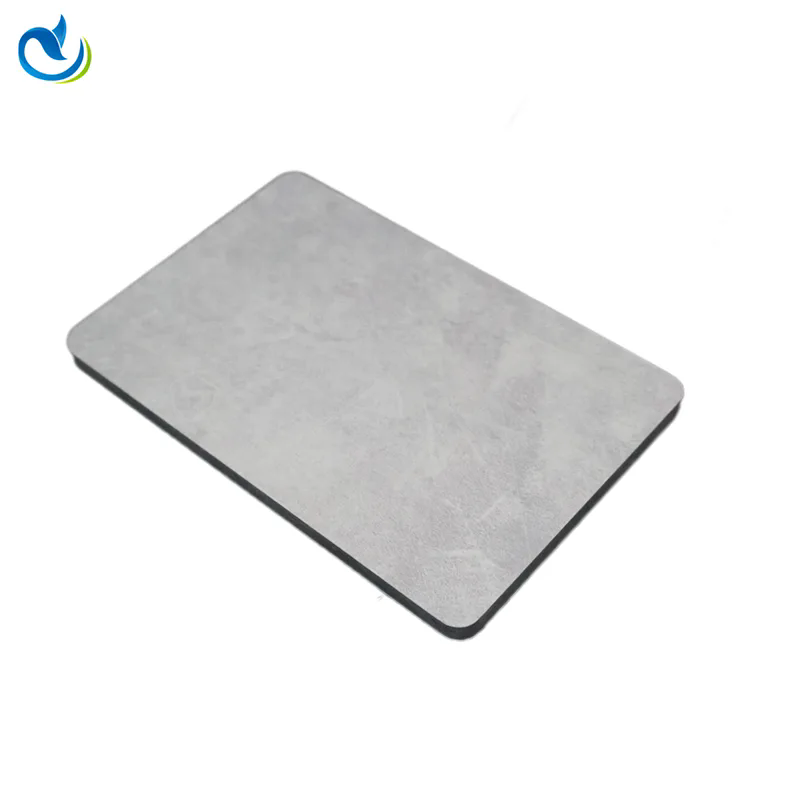
Modern interior architecture demands materials that balance aesthetics, durability, and efficiency. Carbon Crystal Wall Panels are engineered to meet these expectations by integrating composite technology with surface decoration layers. Their internal structure typically includes a rigid core layer, a stabilized reinforcement layer, and a decorative finish layer. This multi-layer architecture allows them to outperform traditional gypsum boards, paint systems, and even some PVC-based panels in multiple performance categories.
What Are Carbon Crystal Wall Panels?
Carbon Crystal Wall Panels are composite decorative wall materials designed for interior environments. They are manufactured using high-density polymer composites and carbon-based reinforcement elements that enhance rigidity and thermal stability. Unlike conventional wall finishes that require multiple layers of paint or treatment, these panels provide a ready-to-install surface with built-in aesthetic textures and protective performance.
They are widely used in modern construction due to their ability to combine decoration and functional protection in a single installation step.
Key Materials and Structural Composition
The performance of Carbon Crystal Wall Panels depends on their engineered material composition. A typical panel includes the following layers:
-
Surface Decorative Layer: UV-resistant coating or printed texture film for visual appeal.
-
Carbon Crystal Composite Core: Provides strength, rigidity, and thermal stability.
-
Moisture Barrier Layer: Prevents water absorption and mold formation.
-
Back Reinforcement Layer: Enhances adhesion to wall surfaces and structural integrity.
This layered structure ensures that the panels remain stable under varying humidity and temperature conditions, making them suitable for diverse indoor environments.
How Carbon Crystal Wall Panels Are Manufactured
The manufacturing process involves precision extrusion, thermal compression, and surface lamination. Raw composite materials are first blended to achieve uniform density. The mixture is then extruded into panel form under controlled temperature and pressure conditions.
After forming, the panels undergo surface treatment where decorative films or coatings are laminated using high-temperature bonding technology. Finally, quality inspection ensures dimensional accuracy, surface uniformity, and structural integrity.
This controlled production process ensures consistency and long-term durability across all panels.
Core Advantages and Performance Benefits
-
High Durability: Resistant to impact, scratches, and daily wear.
-
Moisture Resistance: Suitable for humid environments such as kitchens and bathrooms.
-
Thermal Stability: Reduces heat transfer and improves indoor comfort.
-
Easy Installation: Lightweight design simplifies installation and reduces labor costs.
-
Low Maintenance: Surface can be cleaned easily without special treatments.
-
Eco-Friendly Composition: Manufactured with reduced volatile emissions materials.
These benefits make Carbon Crystal Wall Panels a strong alternative to traditional wall finishes in both residential and commercial projects.
Installation Process Explained
Installation of Carbon Crystal Wall Panels is designed to be efficient and straightforward. Below is a typical step-by-step process:
-
Surface preparation: Ensure the wall is clean, dry, and level.
-
Measurement and cutting: Panels are cut according to wall dimensions.
-
Adhesive application or framing: Depending on system type, adhesive or mounting frame is prepared.
-
Panel fixing: Panels are installed and aligned carefully.
-
Joint sealing: Edges are sealed to ensure a seamless appearance.
-
Final inspection: Alignment and surface quality are checked.
Due to their lightweight structure, installation time is significantly reduced compared to traditional tiling or painting systems.
Application Scenarios
|
Environment
|
Use Case
|
Benefit
|
|
Residential Homes
|
Living rooms, bedrooms, kitchens
|
Decorative finish with durability
|
|
Commercial Spaces
|
Offices, retail stores
|
Professional appearance with low maintenance
|
|
Hospitality Industry
|
Hotels, lobbies, corridors
|
Premium aesthetic with fast installation
|
|
Public Buildings
|
Schools, hospitals
|
Hygienic and easy to clean surfaces
|
Maintenance and Service Life
Carbon Crystal Wall Panels require minimal maintenance. Regular cleaning with a damp cloth is usually sufficient to maintain their appearance. The surface is resistant to staining and does not require repainting or resurfacing.
Under normal indoor conditions, these panels can last for many years without significant degradation in appearance or structural integrity, making them a cost-effective long-term solution.
Common Problems and Practical Solutions
-
Surface Scratches: Minor scratches can be reduced using protective coatings or replacement of affected panels.
-
Improper Installation: Ensuring correct alignment and adhesive use prevents warping or detachment.
-
Moisture Accumulation: Proper sealing eliminates risk in high-humidity areas.
-
Color Variation: Use panels from the same production batch for consistency.
Proper installation and material selection significantly reduce these issues.
Buying Guide and Selection Criteria
When selecting Carbon Crystal Wall Panels, consider the following factors:
-
Thickness and structural density
-
Surface finish quality and texture variety
-
Fire resistance rating
-
Waterproof performance level
-
Installation system compatibility
-
Supplier credibility and manufacturing standards
Choosing the right specifications ensures optimal performance and long-term satisfaction.
Why Choose Arris Import and Export Co., Ltd.
Arris Import and Export Co., Ltd. specializes in providing high-quality Carbon Crystal Wall Panels designed for global construction and interior design markets. The company focuses on strict quality control, advanced manufacturing processes, and consistent product innovation to meet diverse customer requirements.
With a commitment to material performance and design flexibility, Arris Import and Export Co., Ltd. supports projects ranging from residential renovations to large-scale commercial developments.
Frequently Asked Questions
Q1: Are Carbon Crystal Wall Panels waterproof?
Yes, they are designed with moisture-resistant layers that prevent water penetration.
Q2: Can they be used in bathrooms?
Yes, they are suitable for humid environments including bathrooms and kitchens.
Q3: How long do they last?
With proper installation, they can last many years without major maintenance.
Q4: Are they difficult to install?
No, their lightweight structure makes installation relatively simple and fast.
Q5: Do they require painting?
No, they come with pre-finished decorative surfaces.
Conclusion and Recommendation
Carbon Crystal Wall Panels represent a modern evolution in interior wall systems, offering a balanced combination of aesthetics, durability, and functional performance. Their multi-layer construction, ease of installation, and long service life make them an increasingly preferred choice for a wide range of building applications.
For professional-grade solutions and reliable supply, consider partnering with Arris Import and Export Co., Ltd., which provides consistent quality and technical support for diverse project needs.
contact us to explore product specifications, customization options, and procurement support.