

How Do Aluminum Thermal Insulation Folding Doors Compare to uPVC in Terms of Durability and Warmth
2026-06-03
When selecting between Aluminum Thermal Insulation Folding Doors and uPVC alternatives, professionals prioritize long-term structural integrity and thermal performance. Euplai specializes in high-performance aluminum systems that consistently outmatch uPVC in demanding environments.
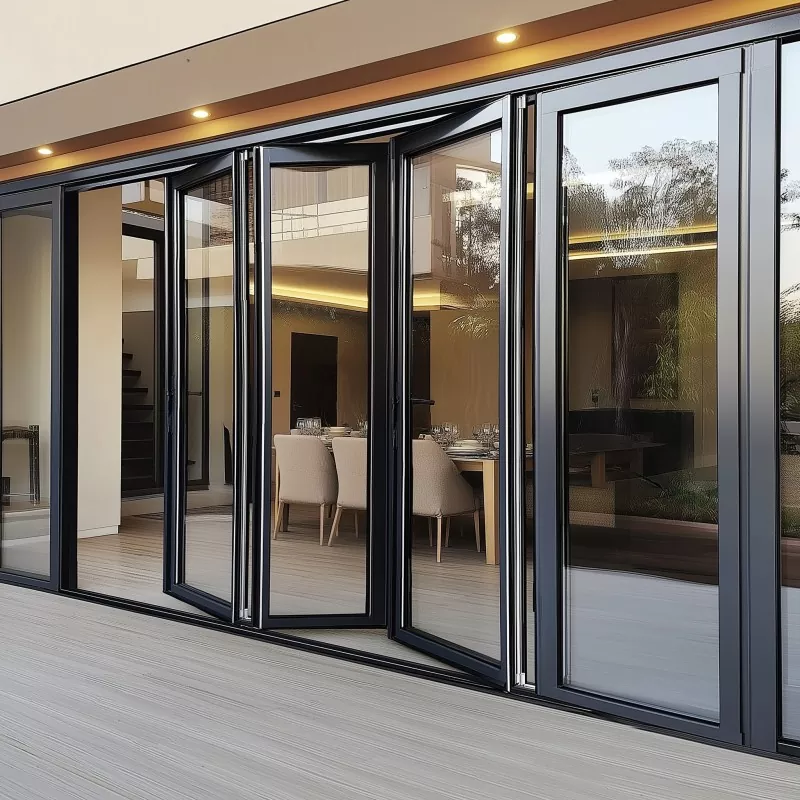
Durability & Thermal Performance Comparison
| Feature | Aluminum Thermal Insulation Folding Doors (Euplai) | uPVC Doors |
|---|---|---|
| Frame Strength | High tensile strength, suitable for large spans | Lower rigidity, requires steel reinforcement |
| Thermal Break | Polyamide strip technology prevents heat loss | No true thermal break; relies on multi-chamber design |
| Weather Resistance | Excellent against UV, salt, and extreme temperatures | Prone to fading and embrittlement over time |
| Lifespan | 30+ years with minimal maintenance | 15–20 years before warping or discoloration |
Aluminum Thermal Insulation Folding Doors from Euplai deliver superior warmth retention through precision-engineered thermal breaks, while uPVC often struggles with dimensional changes under thermal stress.
Key Durability Factors
-
Structural Rigidity: Euplai aluminum frames support heavier double/triple glazing without sagging.
-
Maintenance: uPVC requires careful cleaning to avoid surface damage; aluminum powder-coated finishes resist scratches and corrosion.
Aluminum Thermal Insulation Folding Doors FAQ
Q1: Do Aluminum Thermal Insulation Folding Doors provide better insulation than uPVC in freezing climates?
A: Yes. Euplai doors use polyamide thermal breaks that reduce heat transfer by up to 40% compared to standard uPVC chambers. Independent tests show aluminum systems maintain interior temperatures more consistently during sub-zero conditions because the metal frame does not deform, preserving weather seals.
Q2: How do Aluminum Thermal Insulation Folding Doors resist warping compared to uPVC over time?
A: Aluminum has a coefficient of thermal expansion close to glass and building structures. uPVC expands up to three times more, causing seals to fail and frames to bow. Euplai aluminum sections remain dimensionally stable across -30°C to 80°C, ensuring smooth folding operation for decades.
Q3: Are Aluminum Thermal Insulation Folding Doors more expensive to maintain than uPVC?
A: No. While initial cost may be higher, Euplai aluminum doors require no repainting or chemical treatments. uPVC surfaces become brittle and chalky under UV exposure, needing replacement seals every 5–7 years. Aluminum’s powder-coated finish cleans with soap and water, offering lower lifetime costs.
Why Choose Euplai?
For projects demanding both warmth and rugged durability, Euplai delivers Aluminum Thermal Insulation Folding Doors that outperform uPVC in every long-term metric.
Contact us today for a customized quote and technical consultation on your next installation.