Article Summary
Automatic Sensor Doors have become an essential solution for modern commercial, industrial, healthcare, and public facilities that require seamless access control, improved hygiene, enhanced security, and better energy management. Traditional doors often create challenges such as frequent manual operation, unnecessary energy loss, limited accessibility, and increased contamination risks. By using advanced sensing technology, Automatic Sensor Doors provide hands-free opening and closing, creating a safer and more convenient environment for users.
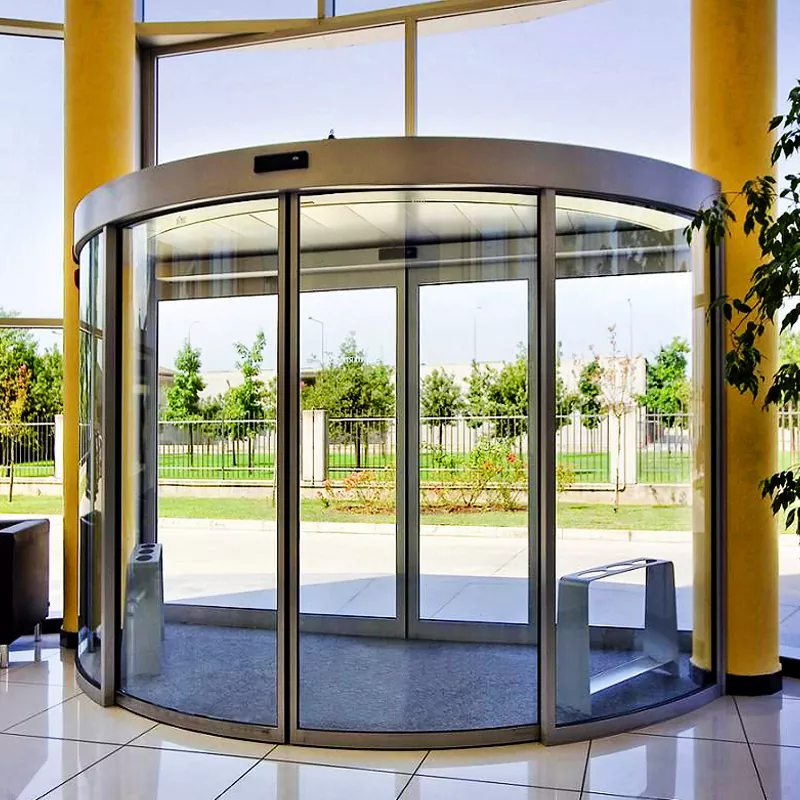
This article explains how Automatic Sensor Doors solve common access problems, what factors should be considered when selecting an automatic door system, and why professional manufacturers like Duoping provide reliable solutions for different application scenarios. From hospitals and shopping centers to factories and office buildings, automatic door technology helps businesses improve operational efficiency while delivering a better user experience.
Article Outline
-
Understanding the role of Automatic Sensor Doors in modern buildings
-
Identifying customer challenges and access management problems
-
Exploring operating principles and technology features
-
Analyzing advantages in safety, convenience, and energy saving
-
Reviewing industry applications
-
Providing guidance for purchasing and maintenance decisions
How Automatic Sensor Doors Are Changing Modern Entrance Systems
With the rapid development of smart buildings and intelligent facility management, entrance systems are no longer limited to simple opening and closing functions. Businesses today need doors that can provide convenience, safety, accessibility, and efficient energy control. This is where Automatic Sensor Doors play an important role.
An Automatic Sensor Door uses advanced detection technology to recognize approaching people and automatically control the opening and closing process. Users do not need to touch handles or manually push heavy doors, which greatly improves traffic flow and creates a more comfortable experience.
Duoping specializes in providing automatic door solutions designed to meet different environmental requirements. By combining reliable mechanical structures with intelligent sensor systems, Duoping helps customers create modern entrance solutions suitable for commercial buildings, industrial facilities, and public spaces.
What Problems Can Automatic Sensor Doors Solve?
Many buildings still rely on traditional doors, which may create several operational challenges. Understanding these pain points helps explain why Automatic Sensor Doors are becoming increasingly popular.
|
Common Problem
|
Impact on Users and Businesses
|
Automatic Sensor Door Solution
|
|
Frequent manual operation
|
Causes inconvenience and slows down movement
|
Provides hands-free automatic access
|
|
High energy consumption
|
Doors left open increase heating and cooling costs
|
Automatically closes after entry to reduce energy loss
|
|
Hygiene concerns
|
Touch surfaces may increase contamination risks
|
Creates a touchless entrance environment
|
|
Limited accessibility
|
Creates difficulties for elderly people and people with mobility challenges
|
Offers easier and safer access
|
|
Heavy traffic pressure
|
Traditional doors may reduce entrance efficiency
|
Improves pedestrian flow management
|
How Automatic Sensor Doors Work
Automatic Sensor Doors operate through a combination of sensors, controllers, motors, and mechanical components. When a person approaches the entrance area, the sensor detects movement or presence and sends a signal to the control system.
The controller then activates the motor, allowing the door panels to open smoothly. After the person passes through the entrance, the system automatically closes the door according to preset timing and safety settings.
Modern systems may include different sensor technologies, such as infrared sensors, microwave sensors, and intelligent detection systems. These technologies help improve accuracy while reducing unnecessary door movements.
|
Component
|
Function
|
|
Sensor System
|
Detects people approaching the entrance
|
|
Controller
|
Processes signals and manages operation
|
|
Motor Drive
|
Controls opening and closing movement
|
|
Safety Device
|
Prevents accidents during operation
|
|
Door Structure
|
Provides stable and durable access performance
|
What Are the Main Benefits of Automatic Sensor Doors?
Installing an Automatic Sensor Door provides multiple advantages for building owners, employees, and visitors. These benefits make automatic entrance systems an important investment for modern facilities.
-
Improved Convenience: Users can enter and exit without touching the door, making daily movement faster and easier.
-
Enhanced Safety: Intelligent sensors help prevent collisions and improve entrance security.
-
Better Hygiene: Touchless operation reduces contact with shared surfaces.
-
Energy Efficiency: Automatic closing functions help maintain indoor temperature and reduce unnecessary air leakage.
-
Professional Appearance: Modern automatic doors improve the visual quality of commercial and public buildings.
-
Accessibility Improvement: They provide easier access for people carrying items, using wheelchairs, or requiring additional assistance.
Where Are Automatic Sensor Doors Commonly Used?
Automatic Sensor Doors are suitable for many industries because they improve both user experience and operational efficiency. Common applications include:
|
Application Area
|
Why Automatic Doors Are Needed
|
|
Hospitals and Healthcare Facilities
|
Require hygienic, safe, and convenient access solutions
|
|
Shopping Malls
|
Handle large customer traffic efficiently
|
|
Hotels
|
Create premium entrance experiences for guests
|
|
Office Buildings
|
Improve building management and accessibility
|
|
Factories and Warehouses
|
Support efficient personnel and material movement
|
|
Airports and Transportation Centers
|
Manage continuous passenger flow
|
How to Choose the Right Automatic Sensor Door
Selecting the correct automatic door requires consideration of several factors. A suitable system should match the building environment, traffic volume, safety requirements, and maintenance expectations.
-
Consider Usage Frequency: High-traffic entrances require durable systems designed for frequent operation.
-
Evaluate Installation Space: Door type and opening method should match available entrance conditions.
-
Check Safety Features: Reliable sensors and emergency functions are important for user protection.
-
Choose Quality Components: Stable motors and durable materials improve service life.
-
Select an Experienced Supplier: Professional manufacturers can provide technical support and customized solutions.
Duoping focuses on developing dependable Automatic Sensor Door products that balance performance, durability, and user-friendly operation. Customers can select suitable solutions according to different building requirements.
Automatic Sensor Doors Compared with Traditional Doors
|
Feature
|
Automatic Sensor Door
|
Traditional Door
|
|
Operation Method
|
Automatic hands-free opening
|
Manual pushing or pulling
|
|
User Convenience
|
High convenience for all users
|
May create accessibility challenges
|
|
Energy Management
|
Reduces unnecessary opening time
|
More energy loss risk
|
|
Hygiene
|
Supports touchless access
|
Requires frequent contact
|
|
Traffic Efficiency
|
Suitable for busy entrances
|
Limited by manual operation
|
How to Maintain Automatic Sensor Doors for Long-Term Performance
Regular maintenance ensures stable operation and extends the service life of an Automatic Sensor Door. Building managers should establish inspection schedules and pay attention to key components.
-
Clean sensors regularly to maintain accurate detection.
-
Check door movement and unusual sounds during operation.
-
Inspect mechanical parts for wear or damage.
-
Ensure safety functions operate correctly.
-
Arrange professional maintenance when necessary.
Proper maintenance not only reduces unexpected downtime but also improves safety and operating efficiency over the long term.
Frequently Asked Questions About Automatic Sensor Doors
Q1: What is an Automatic Sensor Door?
An Automatic Sensor Door is an intelligent entrance system that uses sensors to detect approaching users and automatically controls door movement without manual operation.
Q2: Are Automatic Sensor Doors suitable for high-traffic buildings?
Yes. They are widely used in locations with frequent pedestrian movement because they improve traffic efficiency and reduce waiting times.
Q3: Can Automatic Sensor Doors improve energy efficiency?
Yes. By opening only when necessary and closing automatically after use, they help reduce unnecessary air exchange and energy waste.
Q4: How long can an Automatic Sensor Door operate?
Service life depends on product quality, usage frequency, installation conditions, and maintenance practices. Regular inspection can significantly extend performance.
Q5: Why choose Duoping for Automatic Sensor Door solutions?
Duoping provides professional automatic door products designed with reliable components, practical functions, and solutions suitable for different application environments.
Conclusion
Automatic Sensor Doors are transforming modern entrance systems by offering safer, smarter, and more efficient access solutions. They address common challenges including manual operation inconvenience, hygiene concerns, energy waste, and accessibility limitations.
For businesses looking to upgrade their entrances with reliable automatic door technology, choosing an experienced supplier is essential. Duoping provides high-quality Automatic Sensor Door solutions designed to meet different customer requirements and improve building performance.
Upgrade your entrance system with reliable automatic access technology. Contact Duoping today for professional Automatic Sensor Door solutions and customized service support. Please contact us to learn more about our products and find the right solution for your project.