

Article Summary: Aluminium windows have become a popular choice for residential, commercial, and architectural projects because they combine structural strength, slim frame profiles, design flexibility, and long-term durability. However, choosing the wrong window configuration can lead to heat loss, condensation, water leakage, difficult operation, and unnecessary maintenance expenses. This guide explains the advantages of aluminium windows, compares common opening styles, explores thermal and weather performance, and provides practical advice on specifications, installation, maintenance, and supplier selection. Whether you are planning a home renovation, a new commercial building, or a large construction project, understanding these factors can help you make a more informed purchasing decision.
Suitable for: Homeowners, architects, contractors, property developers, construction companies, and window distributors.
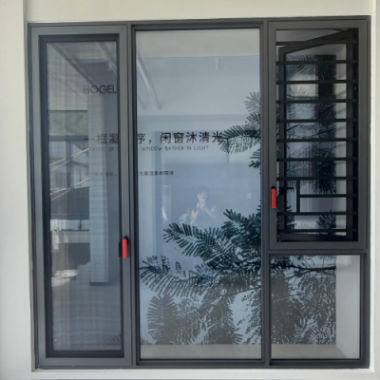
1. Why Aluminium Windows Are Widely Used
Windows influence much more than the appearance of a building. They affect daylight, ventilation, indoor comfort, energy consumption, noise control, and the overall performance of the building envelope. Selecting suitable windows is therefore an important decision for both new construction and renovation projects.
Aluminium windows are valued for their combination of strength, relatively low frame weight, dimensional stability, and design versatility. Aluminium profiles can support large glazed areas while maintaining clean architectural lines, making them suitable for modern homes, offices, retail spaces, hotels, and other buildings where natural light and exterior views are important.
Unlike materials that may swell or rot when exposed to moisture, aluminium does not rot and is generally resistant to corrosion when the alloy, surface treatment, and installation details are appropriate for the environment. Protective coatings and suitable hardware further help maintain the window's appearance and operation.
Nevertheless, material choice alone does not determine performance. An aluminium window with poor seals, unsuitable glass, inadequate drainage, or incorrect installation may still experience drafts, water penetration, or condensation. Buyers should assess the complete window system rather than focusing only on the frame material.
2. Key Benefits of Aluminium Windows
Strength and Stability
Aluminium profiles offer a favorable strength-to-weight ratio. Properly engineered frames can support large panes of glass and help maintain stable window geometry during normal service.
Contemporary Appearance
Slim profiles and multiple finish options support minimalist architecture, expansive views, and designs that prioritize natural light.
Low Routine Maintenance
Aluminium does not rot, and suitable surface finishes help resist weather exposure. Periodic cleaning, seal inspection, and hardware servicing are still necessary.
Design Flexibility
Aluminium window systems are available in different opening styles, frame configurations, colors, and glazing arrangements to suit varied project requirements.
Durability in Different Environments
Aluminium windows can provide a long service life when their profiles, coatings, hardware, and installation are suitable for the intended conditions. Buildings near the coast, for example, may require finishes and hardware selected for increased salt exposure. Industrial environments may introduce pollutants or chemicals that require additional material compatibility checks.
Efficient Use of Glazed Areas
Because aluminium is structurally strong, designers can use relatively narrow frame profiles in suitable systems. This can increase the proportion of visible glass and create brighter interior spaces. The achievable frame width and maximum glass size depend on the specific system, structural requirements, wind loads, and glass specifications.
Color and Finish Options
Aluminium profiles can be finished in a range of colors and surface appearances, including powder-coated finishes and anodized surfaces. The right choice depends on the desired appearance, exposure conditions, maintenance expectations, and the manufacturer's available options.
Environmental Considerations
Aluminium can be recycled, and recycling generally requires substantially less energy than producing primary aluminium from raw materials. The environmental impact of a complete window also depends on the recycled content of the frame, glass production, coatings, transportation, service life, and the building's operational energy performance.
3. Common Aluminium Window Styles
Different opening mechanisms serve different purposes. The appropriate style depends on available space, ventilation needs, ease of cleaning, weather exposure, and the architectural layout.
Casement Aluminium Windows
Casement windows are hinged at the side and open outward or inward, depending on the system. When correctly designed and installed, the sash can press against perimeter seals when closed, supporting weather resistance and controlled ventilation. Buyers should consider the swing area, wind exposure, hardware quality, and access for cleaning.
Sliding Aluminium Windows
Sliding windows move horizontally along tracks. They are useful where an outward or inward swinging sash would interfere with furniture, walkways, or exterior space. Track cleanliness and drainage are important because accumulated dirt can affect movement and obstruct water outlets. The sealing performance varies by system design.
Tilt-and-Turn Windows
Tilt-and-turn systems offer two operating positions: a tilted opening for controlled ventilation and a larger opening for access and cleaning. They can be suitable for residential and commercial applications where flexible operation is valued, although their hardware and installation requirements should be reviewed carefully.
Awning and Top-Hung Windows
Awning windows are hinged at the top and generally open outward from the bottom. Their configuration can help provide ventilation during light rain, depending on the design and weather conditions. They are often used in bathrooms, kitchens, and areas where a smaller opening is required.
Fixed Aluminium Windows
Fixed windows do not open. They are useful for maximizing daylight and views where ventilation is not needed. Because there are fewer moving components, their operating hardware requirements are limited, but frame sealing, glass specification, and installation quality remain essential.
| Window Style | Main Advantage | Potential Limitation | Common Applications |
|---|---|---|---|
| Casement | Wide opening and effective ventilation | Requires adequate sash clearance | Bedrooms, living rooms, offices |
| Sliding | No swing space required | Only part of the frame may open; tracks need cleaning | Balconies, apartments, compact spaces |
| Tilt-and-turn | Flexible ventilation and opening positions | More complex hardware and adjustment | Residential and commercial buildings |
| Awning | Can provide ventilation with limited rain exposure | Opening size and outward projection must be considered | Bathrooms, kitchens, high-level openings |
| Fixed | Uninterrupted views and no operating sash | Does not provide natural ventilation | Feature glazing, stairwells, curtain-wall areas |
4. Thermal Insulation and Energy Efficiency
One common concern about aluminium windows is heat transfer. Aluminium conducts heat more readily than materials such as wood or many plastics. In a poorly designed frame, this can contribute to heat loss during cold weather and heat gain during hot weather.
Modern aluminium window systems can address this challenge through thermal-break construction, suitable glazing, effective seals, and carefully designed frame geometry. These elements work together to improve the performance of the complete window.
What Is a Thermal Break?
A thermal break is a low-conductivity component positioned between the interior and exterior sections of an aluminium frame. It reduces direct heat transfer through the metal profile. The quality and configuration of the thermal break influence the thermal performance of the frame, but the entire window assembly must be evaluated to understand its actual insulation performance.
Why Whole-Window Performance Matters
Glass, frames, spacers, seals, and installation details all contribute to energy performance. A window with advanced glazing may still perform poorly if the frame is inefficient or the perimeter installation is poorly sealed. Buyers should request documented performance values for the complete system, not just individual components.
Two important measurements are:
- U-value: Measures heat transfer through a window or building component. Lower values generally indicate better thermal insulation.
- Solar heat gain coefficient (SHGC): Indicates how much solar energy enters through a window. The appropriate value depends on climate, orientation, shading, and heating or cooling priorities.
Condensation and Indoor Comfort
Condensation may form when a surface temperature falls below the dew point of the surrounding air. Indoor humidity, outdoor temperature, ventilation, glazing, frame design, and thermal bridging can all influence the risk. Thermal-break frames and suitable glazing may reduce cold interior surfaces, but they cannot eliminate condensation under every condition.
5. Choosing the Right Glass for Aluminium Windows
Glass selection has a major influence on comfort, safety, noise control, and the overall cost of a window. The correct specification depends on the building's location, window dimensions, orientation, occupancy, and applicable building regulations.
Double Glazing
Double-glazed units consist of two panes separated by a sealed cavity, often filled with air or an insulating gas where specified. They can improve thermal performance compared with basic single glazing and may provide better acoustic performance when the glass construction is appropriately selected.
Triple Glazing
Triple glazing uses three panes and two cavities. It can offer improved insulation in suitable systems, particularly in colder climates, but it also adds weight, cost, and demands on the frame and hardware. Its value should be evaluated against the project's climate and performance targets.
Laminated Glass
Laminated glass incorporates an interlayer between glass panes. Depending on its construction, it can help retain fragments after breakage and may contribute to security or acoustic performance. Safety glazing requirements should be confirmed for doors, low-level glazing, and other locations where impact risk is relevant.
Tempered Glass
Tempered glass is heat-treated to improve strength compared with ordinary annealed glass of similar thickness. When it breaks, it generally fragments into smaller pieces. The appropriate glass type and thickness depend on structural loads, safety requirements, dimensions, and installation conditions.
Low-E Glass
Low-emissivity coatings help manage radiative heat transfer. Depending on the coating and glazing configuration, Low-E glass can improve insulation while controlling solar heat gain. The best specification depends on climate, building orientation, daylight requirements, and cooling or heating priorities.
For larger windows, exposed façades, or locations subject to high wind loads, glass thickness and construction should be determined through suitable engineering calculations and applicable standards. Never select glass solely by appearance or price.
6. How to Choose the Right Aluminium Windows
A structured purchasing process helps prevent common problems such as poor thermal performance, mismatched hardware, water leakage, and delays caused by incorrect dimensions. Before requesting quotations, define the project's technical and practical requirements.
Step 1: Assess the Building Environment
Identify the local climate, seasonal temperature changes, wind exposure, rainfall, humidity, and distance from the coast. These conditions affect the frame finish, hardware selection, drainage design, glass specification, and required weather resistance.
Step 2: Confirm the Window Dimensions
Measure the structural opening and establish the required finished window dimensions. Measurements should account for the installation gap, frame design, sill details, and construction tolerances. For new buildings, coordinate dimensions with architectural drawings and site conditions before production begins.
Step 3: Define Opening and Ventilation Requirements
Consider how frequently each window will be opened, whether the room requires cross-ventilation, and whether the opening mechanism creates any access or safety concerns. In high-rise buildings, outward-opening sashes may be restricted by the building design or local requirements.
Step 4: Specify Thermal and Acoustic Targets
Establish the required whole-window U-value, solar heat gain characteristics, and acoustic performance where relevant. If the building is near a busy road, airport, or other noise source, request glass and window performance data suitable for the expected sound conditions.
Step 5: Evaluate Frame and Hardware Quality
Ask about profile specifications, thermal-break construction, finish quality, corner-joint fabrication, gaskets, locks, hinges, rollers, and drainage arrangements. Hardware should be compatible with the sash size, weight, frequency of use, and environmental exposure.
Step 6: Review Documentation and Warranty
Request product drawings, technical specifications, relevant test reports, installation instructions, maintenance guidance, and warranty terms. Confirm what the warranty covers, including frames, finishes, glass units, and hardware, and clarify any exclusions or maintenance obligations.
| Evaluation Item | What to Confirm | Benefit to the Project |
|---|---|---|
| Frame system | Profile design, structural suitability, and thermal-break details | Supports durability and thermal performance |
| Glazing | Glass type, thickness, cavity, coating, and safety requirements | Improves comfort and addresses project-specific risks |
| Weather resistance | Applicable air, water, and wind performance data | Reduces the risk of drafts and water penetration |
| Hardware | Load capacity, durability, and replacement availability | Supports smooth operation over time |
| Surface finish | Finish type, color consistency, and environmental suitability | Helps preserve appearance and resist environmental exposure |
| Supplier support | Drawings, technical assistance, delivery terms, and warranty | Improves coordination and after-sales planning |
7. Installation and Weatherproofing
Even a high-quality aluminium window can develop problems when the opening is incorrectly prepared or the frame is poorly installed. Installation should follow the window manufacturer's instructions and the project's approved construction details.
Prepare the Opening Carefully
The opening should be checked for dimensions, squareness, structural condition, and compatibility with the frame. Uneven surfaces and incorrect clearances can make it difficult to align the window or achieve consistent seals.
Maintain Frame Alignment
Installers should use suitable fixing methods and verify that the frame is level, plumb, square, and not distorted by over-tightened fixings. Poor alignment may cause sashes to bind, locks to misalign, or seals to make uneven contact.
Integrate Flashing and Drainage
Waterproofing depends on the interaction between the window, wall opening, sill, flashing, sealants, and drainage paths. Sealant should not be used as a substitute for properly designed water management. Drainage outlets in the window system must remain unobstructed.
Protect the Window During Construction
Protective measures can help prevent scratches, mortar contamination, chemical damage, and hardware obstruction. Construction debris should be removed using methods approved for the surface finish and glass.
Inspect Before Handover
- Check that all sashes open, close, and lock smoothly.
- Inspect visible seals, frame joints, and perimeter interfaces.
- Confirm that drainage outlets are clear.
- Check glass for visible damage and verify the specified configuration.
- Confirm that protective films are removed at the appropriate stage.
- Record any defects and complete corrective work before final acceptance.
8. Maintenance and Long-Term Care
Aluminium windows are generally straightforward to maintain, but they are not maintenance-free. Regular care helps preserve the finish, prevent drainage problems, and extend the service life of moving components.
Clean Frames and Glass Regularly
Use a soft cloth, clean water, and a mild cleaning solution suitable for the window finish. Avoid abrasive pads, harsh chemicals, and unapproved solvents that could damage coatings or seals. Buildings exposed to salt spray or industrial pollutants may need more frequent cleaning.
Keep Tracks and Drainage Open
Sliding tracks should be cleared of dirt, leaves, and other debris. Check the manufacturer's instructions before applying lubricants, since some products can attract dust or damage seals. Make sure water outlets remain open and functional.
Inspect Seals and Hardware
Look for cracked gaskets, loose handles, damaged hinges, worn rollers, and difficulty operating the sash. Replace worn components with compatible parts and have complex adjustments carried out by qualified personnel when necessary.
Respond to Condensation and Water Leakage
Interior condensation may be associated with high humidity, cold surfaces, or inadequate ventilation. Water penetration during rain may indicate blocked drainage, failed perimeter sealing, incorrect installation, or another defect. Identify the underlying cause rather than simply applying more sealant over the visible problem.
9. How to Evaluate an Aluminium Window Supplier
Supplier selection influences not only the initial product quality but also delivery coordination, customization, installation support, and after-sales service. For construction companies and distributors, a reliable supply relationship can help reduce project risk and improve consistency across multiple orders.
Review Product Range and Customization
Determine whether the supplier offers the required opening styles, profile configurations, finishes, glazing options, and dimensions. If the project includes non-standard sizes or a large quantity of windows, confirm the supplier's ability to manage drawings, technical coordination, production planning, and quality checks.
Request Technical Evidence
Ask for specifications and relevant test documentation that apply to the proposed window system. Verify that any stated performance figures correspond to the actual frame, glass, size, hardware, and configuration being purchased.
Clarify Production and Delivery
Discuss production lead times, packaging, transport arrangements, inspection procedures, order changes, and the process for reporting damage or discrepancies. For projects with phased construction, confirm whether deliveries can be coordinated with the installation schedule.
Understand the Full Cost
The lowest quotation does not always offer the best overall value. Compare frame and glass specifications, hardware, finish quality, packaging, transportation, installation requirements, warranty coverage, and expected maintenance needs. A transparent comparison reduces the risk of unexpected costs after delivery.
A professional supplier should be willing to clarify technical limitations and explain which specifications are suitable for the intended application. Clear communication before production is particularly important when dimensions, glass weight, weather performance, and customization requirements are complex.
10. Aluminium Window Solutions from YINGTAI
For construction projects, selecting an aluminium window supplier that understands product specifications and project requirements is an important step toward achieving reliable results. YINGTAI provides a starting point for buyers looking to explore aluminium-related products and discuss window requirements for residential, commercial, and architectural applications.
When evaluating aluminium windows for a specific project, purchasers should identify the required dimensions, opening styles, profile construction, glass configuration, surface finish, and performance targets before confirming an order. These details help establish a clear basis for product comparison and technical communication.
Information to Prepare for Your Inquiry
- Project location and building type.
- Window quantities and approximate dimensions.
- Preferred opening style and frame color.
- Glass type and required thermal or acoustic performance.
- Expected wind, rain, humidity, and other environmental conditions.
- Drawings, schedules, or other available technical documents.
- Target delivery schedule and any customization requirements.
With these details available, buyers can have a more productive discussion about technical suitability, product options, manufacturing requirements, and project coordination. Always request the specifications and documentation needed to verify that the proposed product meets the applicable project requirements.
Visit the official YINGTAI website to learn more about the company and make an inquiry regarding your aluminium window requirements.
11. Frequently Asked Questions About Aluminium Windows
1. Are aluminium windows a good choice for residential buildings?
Yes. Aluminium windows offer strength, design flexibility, and relatively low routine maintenance. For good indoor comfort and energy performance, select an appropriate frame system, suitable glazing, quality seals, and professional installation.
2. Do aluminium windows provide good thermal insulation?
They can provide good thermal performance when designed with suitable thermal breaks, glazing, and seals. The whole-window U-value is a useful comparison measure, and the appropriate specification depends on the local climate and building requirements.
3. How long do aluminium windows last?
Service life depends on the profile system, finish, hardware, environmental exposure, installation quality, and maintenance. Well-designed and properly maintained aluminium windows can provide many years of service, but no single lifespan applies to every product or environment.
4. Are aluminium windows suitable for coastal areas?
They can be suitable, provided the frame finish, hardware, fasteners, and installation details are selected for the level of salt exposure. Regular cleaning and maintenance are especially important in coastal environments.
5. Which aluminium window style is best for small rooms?
Sliding windows can be useful because the sash does not need swing clearance. Fixed windows may suit areas that do not require ventilation, while casement or awning windows may be appropriate when their opening projection can be accommodated.
6. Can aluminium windows reduce outside noise?
Yes, when the complete window system is designed for acoustic performance. Glass thickness, laminated glass, differences between glass pane thicknesses, air gaps, frame seals, and installation quality all influence sound reduction. Request relevant acoustic test data for demanding locations.
7. Why do aluminium windows develop condensation?
Condensation occurs when a surface becomes colder than the dew point of the surrounding air. Indoor humidity, ventilation, outdoor temperature, frame design, and glazing performance all contribute. Better thermal performance and appropriate humidity management can reduce the risk.
8. What is the difference between standard and thermally broken aluminium windows?
Standard aluminium frames may have a relatively direct conductive path between the exterior and interior frame sections. Thermally broken systems incorporate a low-conductivity barrier to reduce heat transfer through the frame. Actual performance depends on the complete window design.
9. How should aluminium window frames be cleaned?
Use a soft cloth, water, and a mild cleaner compatible with the finish. Avoid abrasive materials and aggressive chemicals. Clean sliding tracks, check drainage outlets, and follow the manufacturer's instructions for maintaining seals and hardware.
10. What should I check before ordering aluminium windows?
Confirm dimensions, opening style, frame specifications, glass configuration, thermal performance, weather resistance, hardware, surface finish, installation details, delivery schedule, and warranty terms. Request relevant drawings and technical documentation before approving production.
11. Are aluminium windows environmentally friendly?
Aluminium is recyclable and can support long service life. The overall environmental impact depends on the source and recycled content of the aluminium, manufacturing processes, transportation, maintenance, and the energy performance of the complete window.
12. How can I request information about YINGTAI aluminium products?
Visit the YINGTAI website and prepare your project details, including dimensions, quantities, preferred configurations, glass requirements, and delivery expectations. Providing this information helps support a more specific product inquiry.
Conclusion: Choose Aluminium Windows with Confidence
Aluminium windows offer a versatile combination of strength, durability, slim profiles, and architectural flexibility. Their performance, however, depends on the complete window system rather than the frame material alone. Glazing, thermal breaks, seals, hardware, drainage, installation, and environmental exposure all influence long-term results.
Before purchasing, establish clear requirements for dimensions, opening styles, thermal and acoustic performance, weather resistance, and maintenance. Compare suppliers using documented specifications and consider the total cost of ownership rather than the initial price alone.
With careful planning and suitable product selection, aluminium windows can help create comfortable, attractive, and durable spaces across residential and commercial projects.
Planning Your Next Aluminium Window Project?
Find a window solution that aligns with your architectural design, technical requirements, and project schedule. Explore YINGTAI to learn more about the company's aluminium products and discuss your requirements.
Whether you are sourcing windows for a new development, renovating an existing property, or purchasing for distribution, contact us to discuss your project specifications, request product information, and take the next step toward a suitable aluminium window solution.