

How Can a Warehouse Lifting Door Improve Operational Efficiency?
2026-01-26
Article Abstract
Warehouse Lifting Doors play a crucial role in modern industrial logistics, enhancing operational efficiency, security, and space optimization. This article explores the design principles, technical parameters, installation considerations, and common operational questions associated with warehouse lifting doors. By understanding these aspects, facility managers and logistics planners can select and implement solutions that align with their storage and workflow requirements.
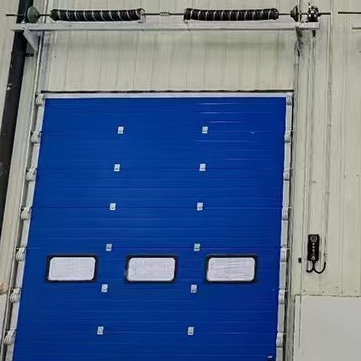
Table of Contents
- Article Outline
- Warehouse Lifting Door Overview
- Design and Structural Principles
- Technical Parameters and Specifications
- Applications and Operational Benefits
- Installation and Maintenance Considerations
- Frequently Asked Questions
- Conclusion and Contact Information
Article Outline
- Introduction to warehouse lifting doors and operational impact
- Design and structural principles for industrial use
- Material selection, safety features, and durability
- Detailed technical parameters presented in table format
- Applications in warehouses, logistics centers, and industrial facilities
- Installation, maintenance, and operational guidelines
- FAQ addressing common operational and technical concerns
- Brand mention and contact guidance
Warehouse Lifting Door Overview
A Warehouse Lifting Door is a vertically moving door system designed for industrial and commercial storage facilities. Its primary function is to streamline goods movement while maximizing floor space and maintaining security. These doors are engineered for frequent operation, durability under high loads, and resistance to environmental factors such as wind, dust, and temperature variations.
Modern warehouse lifting doors support automation, remote operation, and integration with access control systems. They are a vital component in optimizing workflow efficiency, preventing bottlenecks, and ensuring safety for personnel and inventory.
Design and Structural Principles
Warehouse lifting doors consist of key structural and mechanical elements that ensure smooth vertical operation and reliability. The primary components include:
- Door leaf panels made from insulated steel or aluminum
- Vertical guide rails for precise movement
- Counterweight systems or torsion springs for balance and load reduction
- Motorized drives or manual hoist systems
- Safety sensors to prevent accidents
- Sealing and weatherproofing elements
The design principle emphasizes structural integrity, operational safety, and space-saving installation. Properly designed lifting doors reduce energy consumption, improve workflow efficiency, and minimize maintenance frequency.
Technical Parameters and Specifications
Technical specifications help facility managers evaluate performance, compatibility, and durability for warehouse lifting doors. A sample specification table is presented below:
| Parameter | Specification Range |
|---|---|
| Door Material | Insulated Steel / Aluminum |
| Panel Thickness | 40–80 mm |
| Opening Speed | 0.2–0.6 m/s |
| Door Height | 2–12 meters (customizable) |
| Door Width | 2–10 meters (customizable) |
| Insulation R-Value | 2.5–4.0 m²·K/W |
| Operating Temperature | -30°C to 60°C |
| Safety Features | Photoelectric Sensors, Emergency Stop, Safety Brakes |
| Design Lifetime | 15–25 Years |
Applications and Operational Benefits
Warehouse lifting doors are widely used in various storage and industrial environments. Key applications include:
- Large logistics and distribution centers
- Industrial warehouses with high traffic and frequent loading operations
- Cold storage facilities requiring thermal insulation
- Automotive and manufacturing plants for heavy equipment movement
- Commercial storage spaces optimizing internal floor layout
Operational benefits include improved workflow, enhanced security, energy efficiency, and integration with automated material handling systems. These doors contribute to reducing operational downtime and minimizing maintenance interventions.
Installation and Maintenance Considerations
Installation requires precise alignment, secure anchoring, and electrical integration for motorized systems. Steps include:
- Structural assessment of the warehouse or facility
- Measurement and layout planning
- Installation of guide rails and counterweight mechanisms
- Electrical wiring and motor testing
- Safety system calibration
- Regular inspection and maintenance schedule adherence
Maintenance is simplified with modular panels, accessible drive systems, and standardized replacement parts. Ensuring compliance with operational guidelines extends door lifespan and maintains safety standards.
Frequently Asked Questions
Q: What types of warehouses are compatible with lifting doors?
A: Lifting doors are suitable for industrial, commercial, and cold storage facilities. Custom sizing allows compatibility with both small and large-scale operations.
Q: How do lifting doors improve workflow efficiency?
A: By enabling rapid vertical movement, these doors reduce loading and unloading times, minimize waiting periods for transport vehicles, and optimize internal logistics flow.
Q: Are lifting doors energy-efficient for climate-controlled warehouses?
A: Yes. Insulated panels and tight sealing reduce heat transfer, maintaining internal temperatures and reducing energy costs in refrigerated or heated storage spaces.
Conclusion and Contact Information
Warehouse lifting doors provide critical support for modern storage and industrial operations. They enhance operational efficiency, ensure safety, optimize internal space, and offer reliable performance under frequent usage. With proper selection, installation, and maintenance, these doors serve as a long-term investment for facility management.
FANSI offers high-quality warehouse lifting door solutions tailored for diverse industrial needs. To explore customized options, technical specifications, or installation guidance, please contact us today to enhance your warehouse operations.