

How Acrylic Kitchen Door Solutions Improve Modern Kitchen Design?
2026-01-13
Article Summary
An Acrylic Kitchen Door has become a preferred choice for homeowners and project developers seeking a balance between aesthetics, durability, and easy maintenance. This in-depth article explains how acrylic kitchen doors address common customer concerns such as surface wear, color consistency, cleaning difficulty, and long-term value. It provides a structured overview of materials, performance features, application scenarios, and selection criteria to help buyers make informed decisions for residential and commercial kitchens.
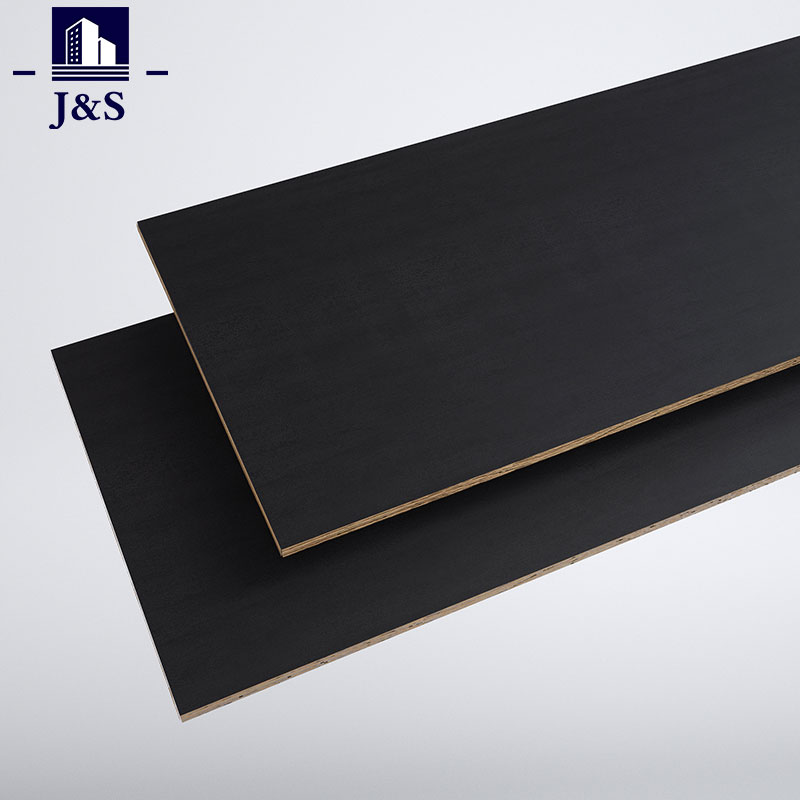
Table of Contents
- Article Outline
- Understanding Acrylic Kitchen Door Systems
- Common Kitchen Door Pain Points
- How Acrylic Kitchen Doors Solve These Problems
- Key Technical Features and Benefits
- Application Scenarios
- Material Comparison Overview
- How to Choose the Right Acrylic Kitchen Door
- Frequently Asked Questions
- Conclusion and Contact Information
Article Outline
- Definition and structure of acrylic kitchen doors
- Challenges faced by modern kitchen users
- Performance advantages of acrylic materials
- Design flexibility and color stability
- Comparison with traditional cabinet door materials
- Practical selection guidance
Understanding Acrylic Kitchen Door Systems
An Acrylic Kitchen Door typically consists of a high-gloss or matte acrylic sheet bonded to a stable substrate such as MDF or plywood. The surface is engineered to deliver uniform color, smooth texture, and strong resistance to daily kitchen wear. Unlike painted or laminated doors, acrylic doors achieve their finish through industrial-grade surface treatments that enhance clarity and durability.
Modern manufacturing techniques allow acrylic doors to maintain consistent thickness, sharp edges, and seamless appearance, making them suitable for contemporary kitchen environments where visual precision is essential.
Common Kitchen Door Pain Points
Kitchen cabinet doors are exposed to moisture, heat, oil fumes, and frequent handling. Many users encounter recurring problems that affect both appearance and usability.
- Surface discoloration caused by heat or sunlight
- Peeling or cracking finishes after extended use
- Difficult-to-clean surfaces that trap grease
- Inconsistent color between door batches
- Short service life leading to frequent replacement
How Acrylic Kitchen Doors Solve These Problems
An Acrylic Kitchen Door is designed specifically to address these challenges. The non-porous surface prevents grease penetration and allows quick cleaning with standard household products. Advanced color processing ensures long-term color stability, even in kitchens with strong lighting or temperature fluctuations.
In addition, acrylic surfaces are less prone to micro-cracks compared to painted doors, helping maintain a refined appearance throughout years of daily use.
Key Technical Features and Benefits
| Feature | Customer Benefit |
|---|---|
| High-gloss or matte acrylic surface | Creates a clean, modern, and premium visual effect |
| UV-resistant color layer | Prevents yellowing and fading over time |
| Non-porous structure | Easy to clean and hygienic for food environments |
| Strong surface hardness | Improved resistance to scratches and impact |
| Precision edge sealing | Reduces moisture absorption and deformation |
Application Scenarios
Acrylic Kitchen Doors are widely used across various kitchen styles and project types.
- Residential apartments and villas
- High-end custom kitchen cabinetry
- Hotel and serviced apartment kitchens
- Showroom and display kitchens
- Renovation projects requiring visual upgrades
Material Comparison Overview
| Material Type | Appearance | Maintenance | Durability |
|---|---|---|---|
| Acrylic Kitchen Door | Uniform, high-end finish | Low | High |
| Painted Door | Smooth but color-sensitive | Medium | Medium |
| Laminate Door | Pattern-based finish | Low | Medium |
| Solid Wood Door | Natural texture | High | Medium |
How to Choose the Right Acrylic Kitchen Door
When selecting an Acrylic Kitchen Door, buyers should focus on long-term performance rather than appearance alone.
- Check surface flatness and gloss consistency
- Confirm substrate stability and thickness
- Evaluate edge finishing quality
- Ensure color options match overall kitchen design
- Work with experienced manufacturers such as JS for consistent quality control
Frequently Asked Questions
-
Are acrylic kitchen doors suitable for small kitchens?
Yes. Their reflective surface helps create a brighter and more spacious visual effect. -
Do acrylic doors require special cleaning products?
No. A soft cloth and mild detergent are sufficient for routine maintenance. -
Can acrylic kitchen doors be customized in color?
Yes. A wide range of solid and customized colors is available to match different design needs. -
How long can an acrylic kitchen door last?
With proper installation and normal use, acrylic doors offer a long service life compared to traditional finishes.
Conclusion and Contact Information
An Acrylic Kitchen Door provides a practical and visually refined solution for modern kitchens by addressing durability, maintenance, and design consistency concerns. Its performance advantages make it a reliable choice for both residential and commercial applications. As an experienced supplier, JS continues to deliver acrylic kitchen door systems that align with evolving kitchen design standards and user expectations.
For tailored solutions, detailed specifications, or project consultation, please contact us to explore how acrylic kitchen doors can enhance your next kitchen project.