

Are Wooden Doors Still the Best Choice for Modern Homes and Commercial Spaces?
2026-03-12
When I first began researching high-quality entry solutions for residential and commercial buildings, I kept coming back to one product category that consistently balanced beauty, durability, and architectural character—Wooden Doors. During this process, I also discovered how manufacturers like Guangdong Sinpolo Home Furnishings Group Co., Ltd. have gradually introduced modern engineering and refined craftsmanship into traditional door manufacturing. Instead of treating wood doors as purely decorative elements, companies like this are integrating advanced production methods to make Wooden Doors stronger, more stable, and better suited for today’s buildings.
Many builders, designers, and homeowners ask whether wood doors are still practical in an era of aluminum and composite materials. Based on my experience working with architectural suppliers and analyzing building trends, the answer depends less on the material itself and more on how the product is engineered and installed.
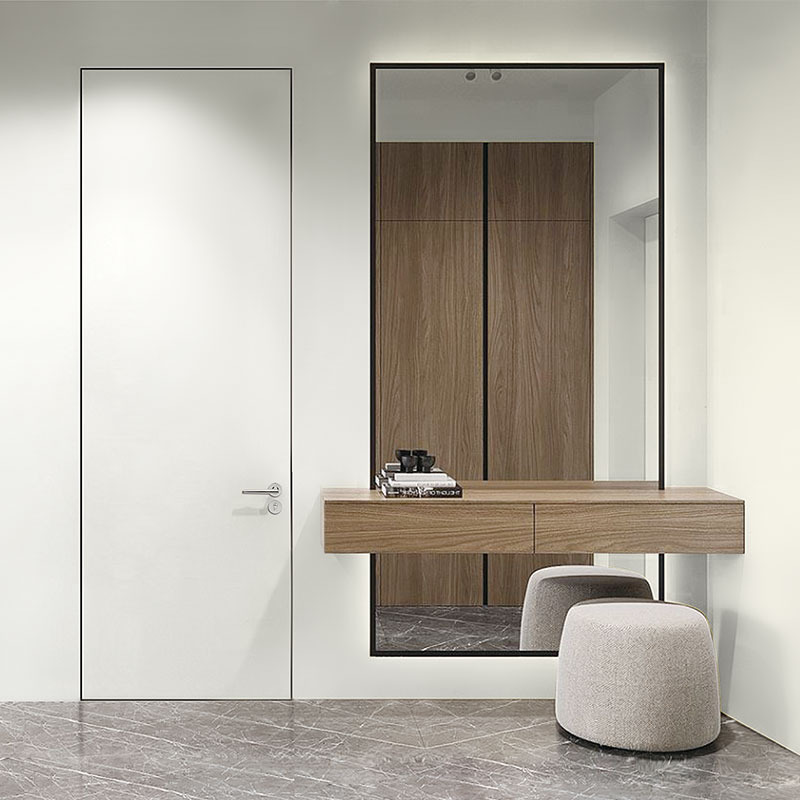
Why Do Architects and Homeowners Continue to Choose Wooden Doors?
I often notice that designers select Wooden Doors not only for their visual appeal but also for the emotional atmosphere they create inside a space. Natural wood offers warmth and texture that synthetic materials struggle to replicate.
- Natural aesthetics that complement modern, classic, and minimalist interiors
- Customizable finishes and wood grain patterns
- Excellent sound insulation compared with hollow doors
- Solid structural strength when engineered correctly
- Compatibility with luxury residential and boutique commercial spaces
While metal or composite doors may offer certain advantages in specific environments, well-constructed Wooden Doors provide a balanced combination of performance and design flexibility.
What Problems Do Buyers Usually Face When Selecting Wooden Doors?
Through discussions with contractors and homeowners, I frequently hear similar concerns about wood doors. Many people worry about durability, stability, and long-term maintenance.
The most common pain points include:
- Warping caused by humidity or temperature changes
- Surface cracking over time
- Poor sound insulation in low-quality doors
- Limited design customization
- Uncertain manufacturing standards
These concerns often arise from poorly manufactured doors rather than from the material itself. Modern production technology has significantly improved the structural stability of Wooden Doors, especially when manufacturers use engineered cores, layered construction, and controlled drying processes.
How Do Modern Manufacturing Techniques Improve Wooden Doors?
When I studied how advanced manufacturers produce modern Wooden Doors, I noticed several technological improvements that solve traditional problems associated with solid wood products.
| Technology | Purpose | Benefit for Buyers |
| Multi-layer core construction | Reduces internal stress in wood | Improves structural stability and prevents warping |
| Controlled kiln drying | Balances moisture content | Enhances durability in different climates |
| Precision CNC cutting | Ensures accurate door panel dimensions | Improves installation fit and long-term performance |
| Protective surface coating | Seals wood grain and surface | Improves resistance to scratches and humidity |
| Acoustic core design | Enhances sound insulation | Creates quieter interior environments |
By applying these techniques, manufacturers are transforming traditional Wooden Doors into engineered architectural components that perform reliably in modern buildings.
Why Do High-End Projects Often Specify Wooden Doors?
In many premium residential developments and boutique hotels, developers intentionally specify Wooden Doors because the material communicates quality and craftsmanship. Wood surfaces interact with natural light in a way that gives spaces depth and warmth.
I have also noticed that interior designers prefer wood doors when they want to maintain a consistent design language across flooring, cabinetry, and wall panels. The ability to match stains, textures, and panel styles allows Wooden Doors to become an integrated element of the interior design rather than a purely functional object.
- Luxury apartments and villas
- Boutique hotels and resorts
- High-end office interiors
- Architectural renovation projects
- Custom residential construction
Because of their versatility, Wooden Doors remain one of the most adaptable door solutions available in architectural design.
How Should Buyers Evaluate the Quality of Wooden Doors?
When I evaluate suppliers, I usually look beyond appearance and focus on construction details. Quality Wooden Doors should demonstrate consistent craftsmanship, stable core structures, and reliable finishing processes.
Here are the criteria I normally recommend checking before making a purchase decision:
- Moisture control during wood processing
- Internal structural reinforcement
- Precision of door frame alignment
- Surface finishing durability
- Professional manufacturing facilities
Reliable manufacturers invest heavily in automated production lines and quality control systems to ensure that every door panel meets strict standards.
Can Wooden Doors Adapt to Modern Interior Trends?
Interior design trends continue to evolve, yet Wooden Doors adapt surprisingly well to both traditional and contemporary aesthetics. Today’s designs range from minimalist flush panels to decorative carved styles and modern mixed-material combinations.
For example, many modern homes now combine wood panels with glass inserts, metal handles, or hidden hinges to create sleek, understated entrances. This flexibility allows Wooden Doors to remain relevant even in highly modern architectural environments.
Why Should Builders Work with Experienced Wooden Door Manufacturers?
From my perspective, the biggest difference between an average door supplier and a professional manufacturer lies in production expertise. Experienced manufacturers understand how to combine wood selection, engineering, and finishing techniques to produce long-lasting Wooden Doors.
Companies with large-scale production capacity and advanced facilities can maintain consistent product quality while offering design flexibility for global markets.
Are You Ready to Upgrade Your Space with Premium Wooden Doors?
If you are planning a residential or commercial project and want doors that combine durability with natural elegance, professionally manufactured Wooden Doors can provide an excellent solution. High-quality engineering and reliable craftsmanship ensure that these doors remain stable, attractive, and functional for many years.
If you would like to learn more about available designs, customization options, or international supply capabilities, we welcome you to contact us for detailed product information and professional support. Our team is ready to help you find the right door solutions for your next project.